-

Will the Pentagon adopt these five AI principles?
The Defense Innovation Board endorsed a list of principles for the ethical use of AI and AI-enabled technology for combat and noncombat purposes.
-

Who will help track hypersonic threats from space?
The Missile Defense Agency has tasked these four companies with designing a space-based sensor capable of detecting and tracking hypersonic weapons.
-

Bluestaq will help the Air Force expand its library of space objects
The Air Force wants a single, cloud-based repository for all of the space situational awareness data available, whether it’s commercial, nonprofit, military or provided by the intelligence community.
-

Who will be able to fix a satellite for the Air Force in 2025?
The Space and Missile Systems Center wants to know what commercial on orbit servicing capabilities will be available in 2025 that can make Department of Defense satellites more resilient.
-

Space Development Agency’s new director is a familiar face
After serving as the Space Development Agency’s acting director since June, Derek Tournear will become the organization’s next permanent director.
-

How the Army will use satellites to track land threats in real time
The Space Development Agency is working with the Army to develop the ability to track time-sensitive ground threats from space and provide real-time information to war fighters.
-
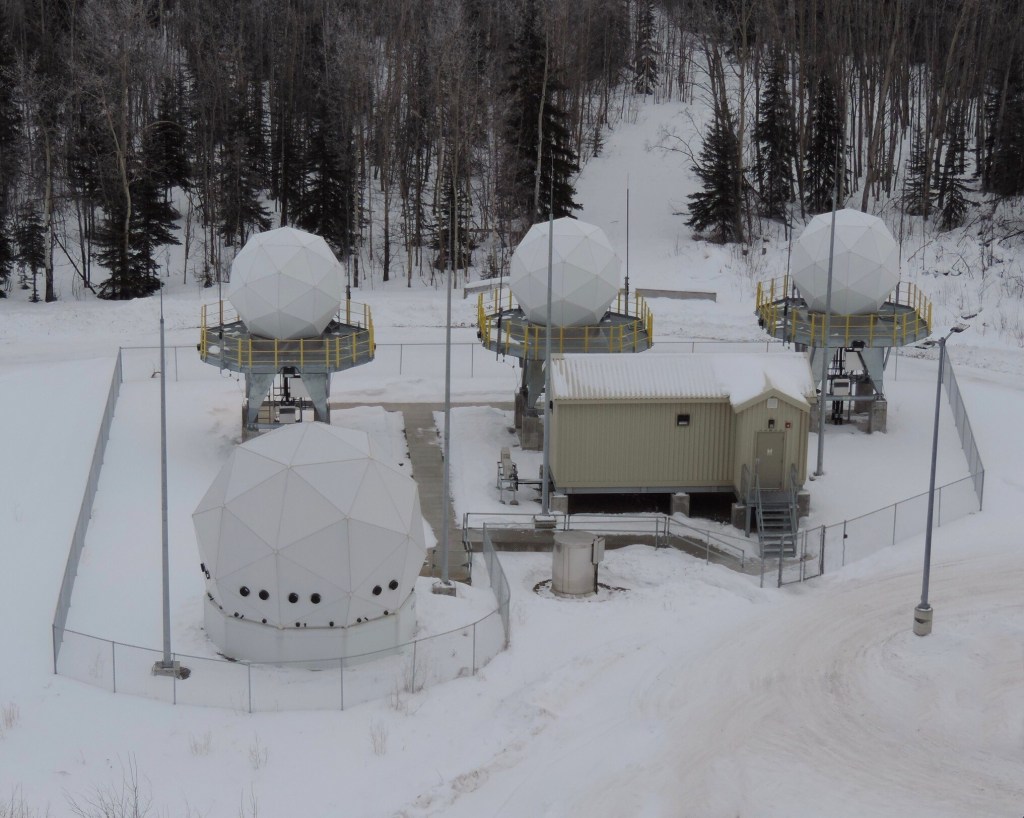
For secure communications in the Arctic, the military can now use this satellite
The Enhanced Polar System is now fully available to the military, ensuring highly secure military communications are available in the polar region.
-

The Air Force sees progress in a GPS ground station test
The Air Force announced that it has successfully connected to the first GPS III satellite on orbit with an interim ground system designed by Lockheed Martin.
-
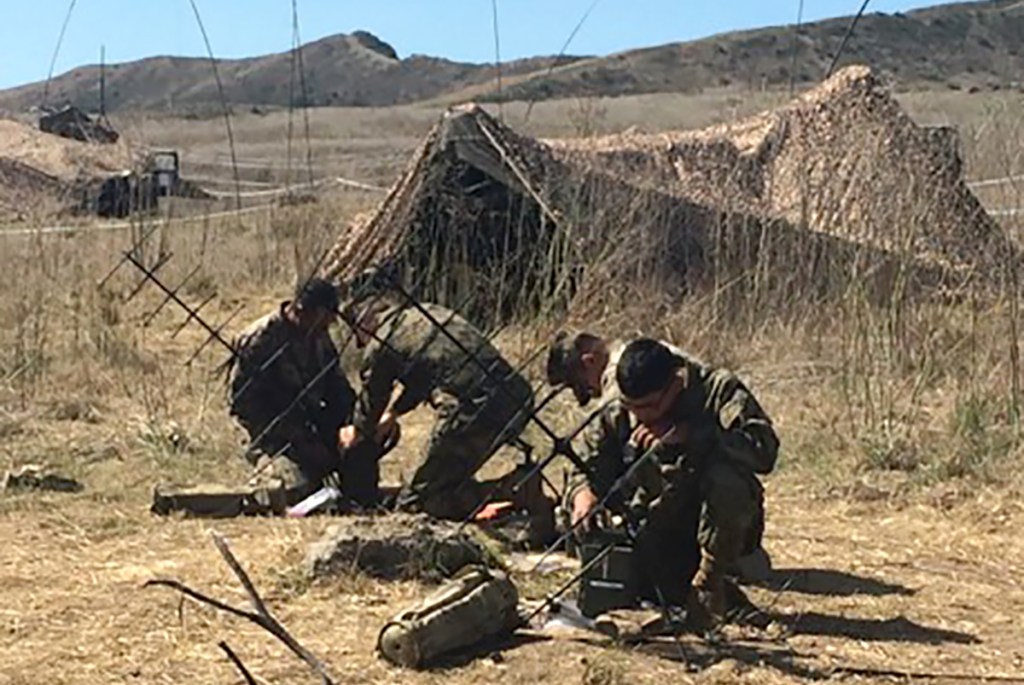
Navy’s new narrowband network ready for combat
The Mobile User Objective System has passed a major milestone and is now set for full operational use, according to the Navy.
-

BAE wins open source intelligence contract from the Army
The national security community is increasingly approaching open source intelligence as a separate and unique data type that needs attention.
-
Will the Pentagon adopt these five AI principles?
The Defense Innovation Board endorsed a list of principles for the ethical use of AI and AI-enabled technology for combat and noncombat purposes.
-
Who will help track hypersonic threats from space?
The Missile Defense Agency has tasked these four companies with designing a space-based sensor capable of detecting and tracking hypersonic weapons.
-
Bluestaq will help the Air Force expand its library of space objects
The Air Force wants a single, cloud-based repository for all of the space situational awareness data available, whether it’s commercial, nonprofit, military or provided by the intelligence community.
-
Who will be able to fix a satellite for the Air Force in 2025?
The Space and Missile Systems Center wants to know what commercial on orbit servicing capabilities will be available in 2025 that can make Department of Defense satellites more resilient.
-
Space Development Agency’s new director is a familiar face
After serving as the Space Development Agency’s acting director since June, Derek Tournear will become the organization’s next permanent director.
-
How the Army will use satellites to track land threats in real time
The Space Development Agency is working with the Army to develop the ability to track time-sensitive ground threats from space and provide real-time information to war fighters.
-
For secure communications in the Arctic, the military can now use this satellite
The Enhanced Polar System is now fully available to the military, ensuring highly secure military communications are available in the polar region.
-
The Air Force sees progress in a GPS ground station test
The Air Force announced that it has successfully connected to the first GPS III satellite on orbit with an interim ground system designed by Lockheed Martin.
-
Navy’s new narrowband network ready for combat
The Mobile User Objective System has passed a major milestone and is now set for full operational use, according to the Navy.
-
BAE wins open source intelligence contract from the Army
The national security community is increasingly approaching open source intelligence as a separate and unique data type that needs attention.