-

How checking the dark web can help the Department of Education
The Department of Education is able to purchase open-source intelligence about their employees to discover shadow IT threats before they cause damage.
-

How the government wants to secure industrial control systems
The Cybersecurity and Infrastructure Security Agency wants to work with partners as the agency enters its second year.
-
Bridging the space information gap between government and industry
The newly formed Space Information Sharing and Analysis Center will help communicate cybersecurity and other threats to industry.
-

How the Space Cybersecurity Working Group fosters communication
The group formed by the National Security Council is working to implement the Trump administration’s cyber strategy in space.
-
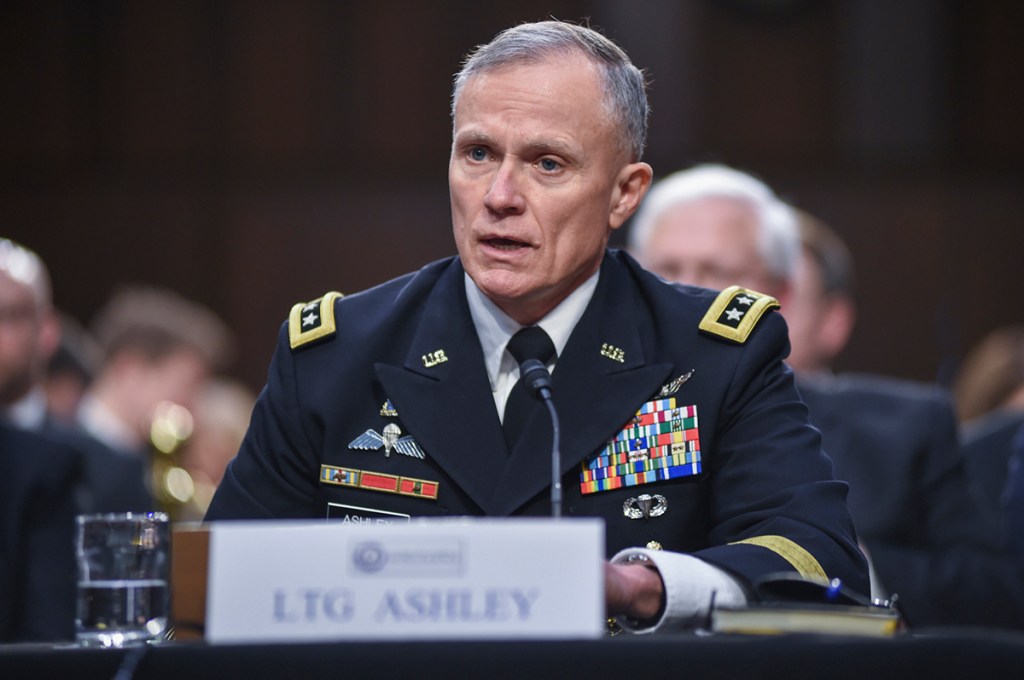
All systems ‘Go’: How China plans to control space
In order to understand China’s military approach to space, look to the ancient board game of Go, says the head of the Defense Intelligence Agency.
-
How the Air Force plans to find ‘defense unicorns’
At the first Space Pitch Days, the Air Force wants to find nontraditional companies with innovative solutions for the military.
-
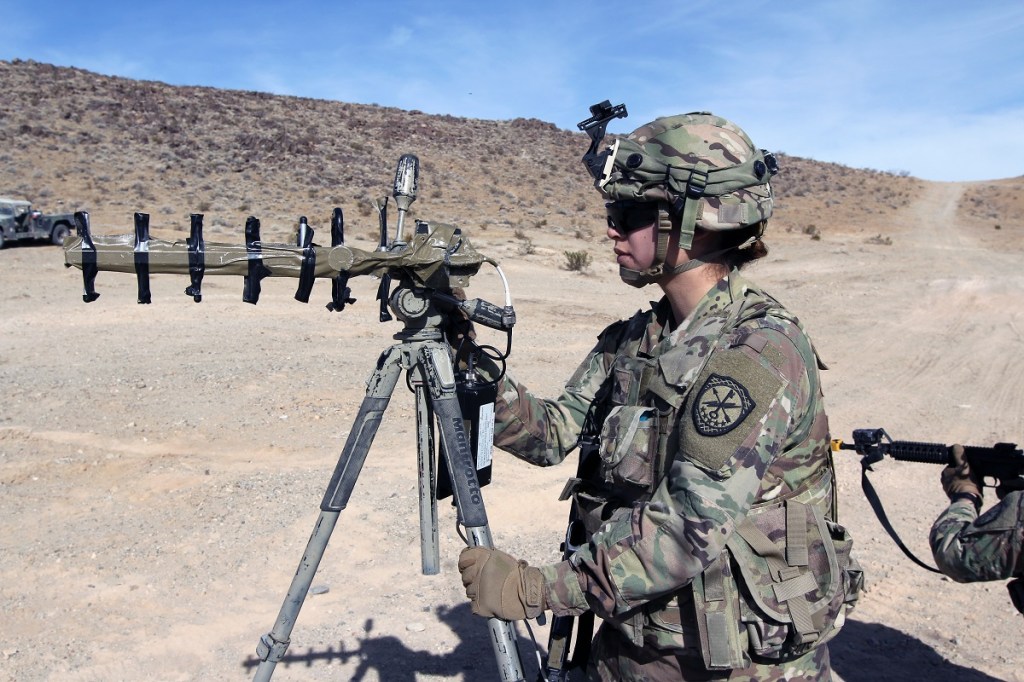
Should the military treat the electromagnetic spectrum as its own domain?
Understanding and utilizing the electromagnetic spectrum is key to every branch of the military, but military experts are skeptical about the need to declare the electromagnetic spectrum a separate domain of warfare.
-

What the Air Force can learn from these experimental satellites
Cubesats designed and built by the Aerospace Corporation will show how viable it is for the military to build a constellation in low earth orbit comprised of hundreds of small satellites built with commercial technology.
-

DISA wants to know that it’s you carrying your phone
The Defense Intelligence Agency’s Emerging Technologies Directorate has a prototype phone that uses biometrics to constantly verify the user’s identity.
-
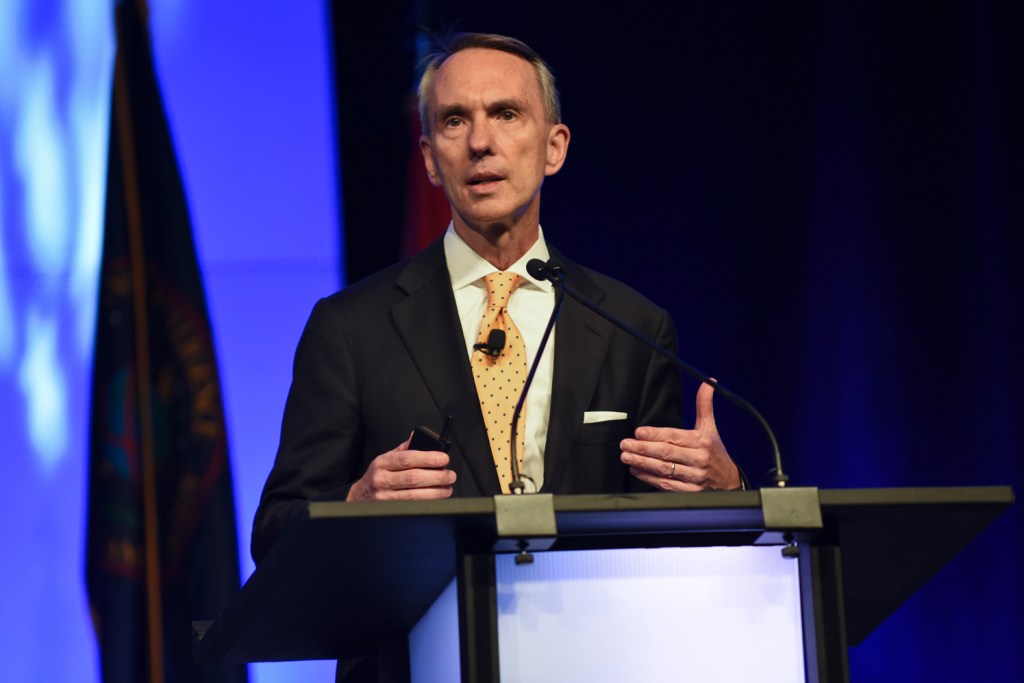
The intelligence community has a new executive
Career CIA officer Andrew Hallman will serve as the temporary replacement of Principal Deputy Director Sue Gordon, who resigned Aug. 15 and has yet to be replaced by a Senate-confirmed appointee.
-
How checking the dark web can help the Department of Education
The Department of Education is able to purchase open-source intelligence about their employees to discover shadow IT threats before they cause damage.
-
How the government wants to secure industrial control systems
The Cybersecurity and Infrastructure Security Agency wants to work with partners as the agency enters its second year.
-
Bridging the space information gap between government and industry
The newly formed Space Information Sharing and Analysis Center will help communicate cybersecurity and other threats to industry.
-
How the Space Cybersecurity Working Group fosters communication
The group formed by the National Security Council is working to implement the Trump administration’s cyber strategy in space.
-
All systems ‘Go’: How China plans to control space
In order to understand China’s military approach to space, look to the ancient board game of Go, says the head of the Defense Intelligence Agency.
-
How the Air Force plans to find ‘defense unicorns’
At the first Space Pitch Days, the Air Force wants to find nontraditional companies with innovative solutions for the military.
-
Should the military treat the electromagnetic spectrum as its own domain?
Understanding and utilizing the electromagnetic spectrum is key to every branch of the military, but military experts are skeptical about the need to declare the electromagnetic spectrum a separate domain of warfare.
-
What the Air Force can learn from these experimental satellites
Cubesats designed and built by the Aerospace Corporation will show how viable it is for the military to build a constellation in low earth orbit comprised of hundreds of small satellites built with commercial technology.
-
DISA wants to know that it’s you carrying your phone
The Defense Intelligence Agency’s Emerging Technologies Directorate has a prototype phone that uses biometrics to constantly verify the user’s identity.
-
The intelligence community has a new executive
Career CIA officer Andrew Hallman will serve as the temporary replacement of Principal Deputy Director Sue Gordon, who resigned Aug. 15 and has yet to be replaced by a Senate-confirmed appointee.