-
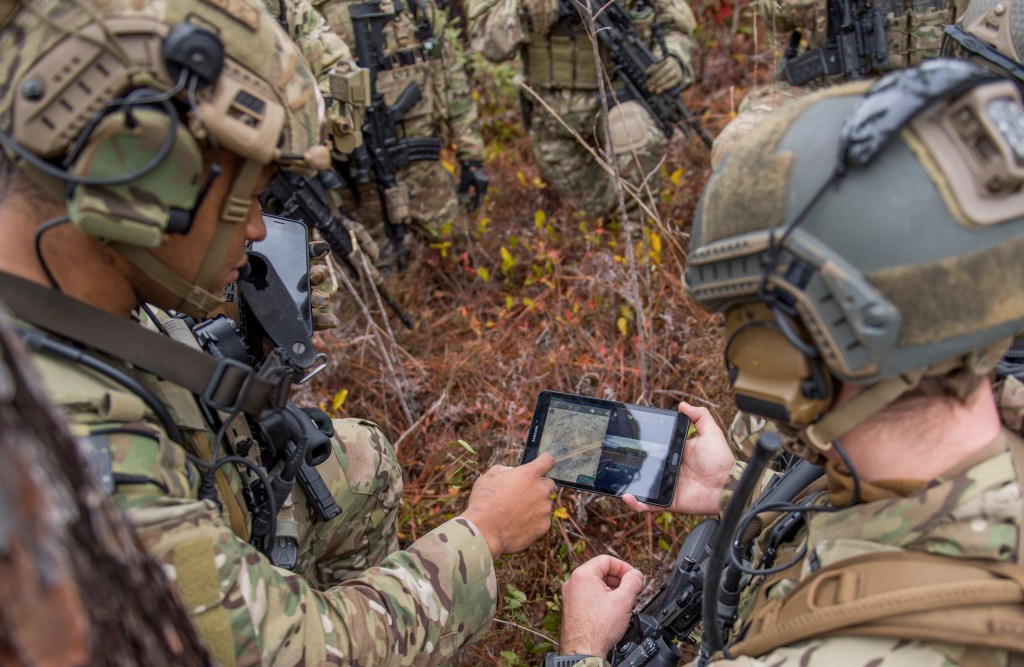
The Air Force tested its Advanced Battle Management System. Here’s what worked, and what didn’t.
We regret to inform you that the robot dogs need some work.
-
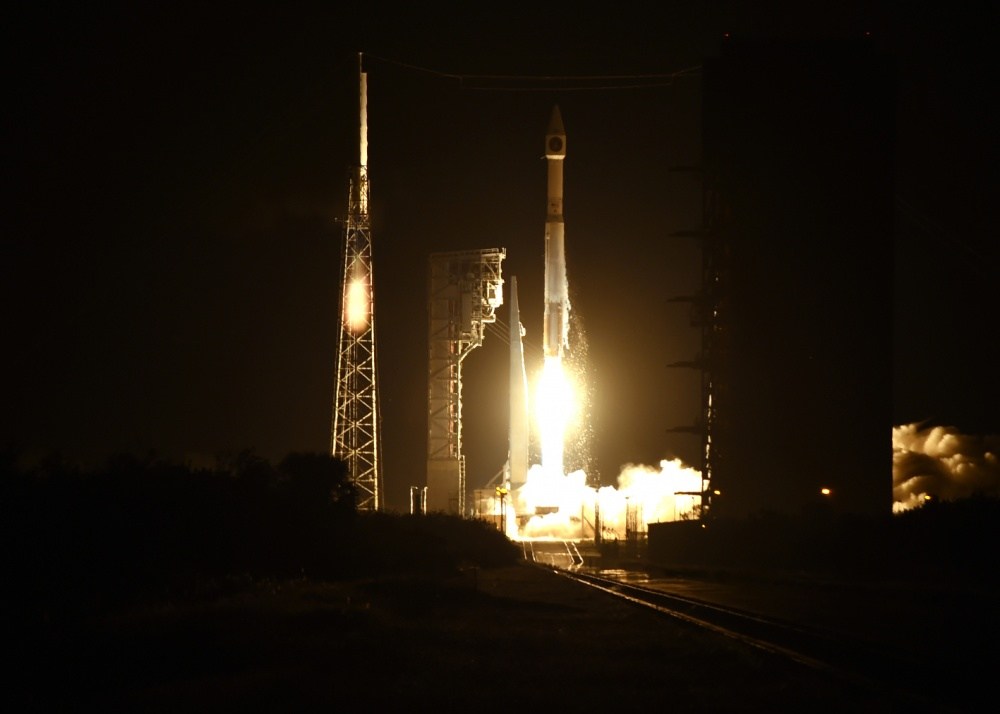
One military space agency’s plan for 1,000 new satellites by 2026
The Space Development Agency plans to launch satellites in two-year installments, rapidly growing its footprint in LEO until it’s operating nearly 1,000 satellites in 2026.
-

Japan reveals plan for space defense unit
The Space Domain Mission Unit is to launch in April as part of Japan’s Air Self-Defense Force.
-

Hyten: Stop ‘studying the heck’ out of space systems and get to work
The vice chairman of the Joint Chiefs of Staff thinks the U.S is developing space assets in a “crazy” way.
-
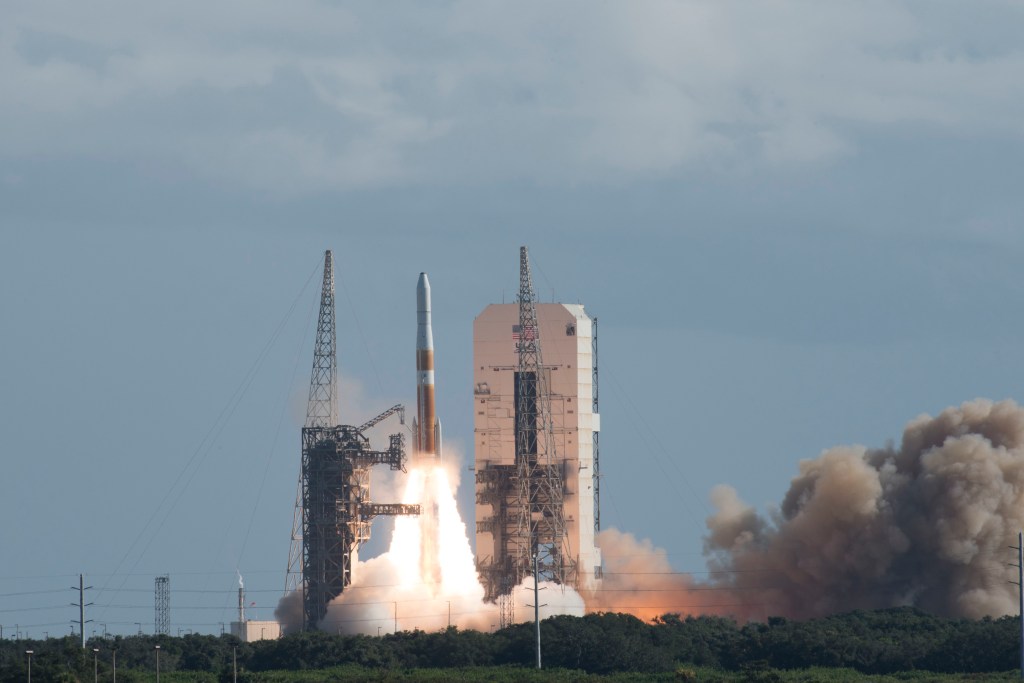
A new GPS III satellite is online. What will it bring to the fleet?
Thanks to the Contingency Operations program, the military is able to utilize the new navigation satellite without the next generation ground segment being built for it.
-

The Pentagon wants help for its satellites to talk to each other
Optical intersatellite links could be critical to the success of the Department of Defense’s future threat-based space architecture in low earth orbit. But in order to use them, the military needs to establish open standards.
-

The Space Force gets its first member, and Trump gets his first briefing on the new service
U.S. Air Force Gen. John Raymond has become the first chief of space operations.
-

Space Force will host its own pitch day
Based on the popular network show “Shark Tank,” the Air Force launched the pitch day concept in 2019 to find solutions from nontraditional companies to whom the traditional Department of Defense acquisition structure might seem daunting.
-
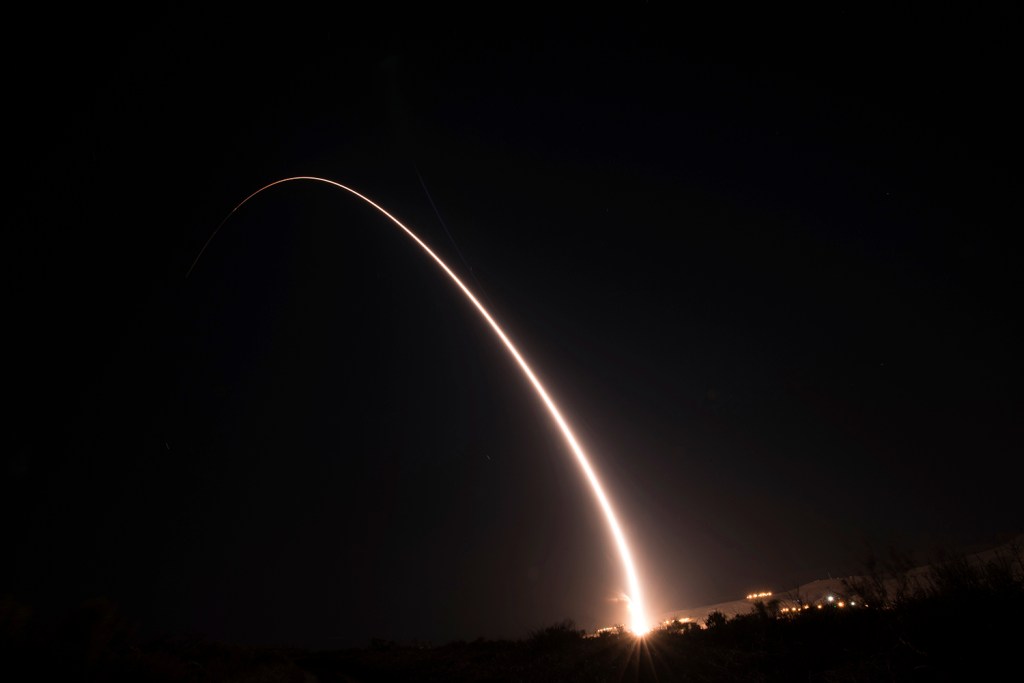
2 goals for one of the military’s new space organizations
Maj. Gen. John Shaw explains his 2020 priorities for one of the U.S. Space Command’s two subordinate commands.
-
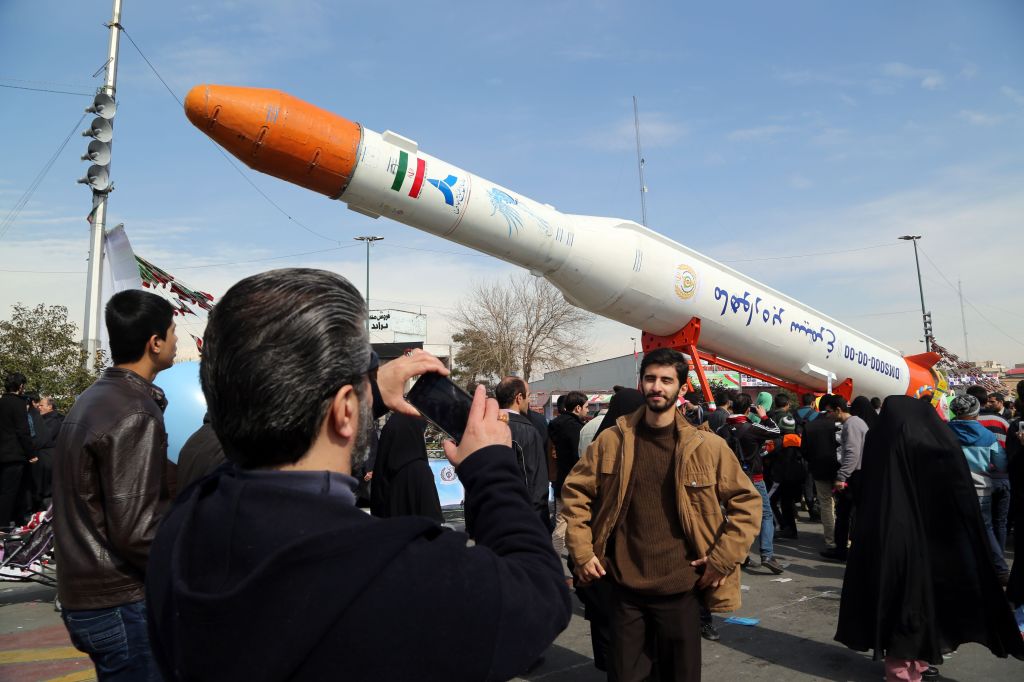
What we know about Iran’s counter-space weapons
While Iran is unlikely to have effective direct ascent anti-satellite weapons in the near future, they have developed technologies that could potentially degrade or deny U.S. space capabilities in their territory.
-
The Air Force tested its Advanced Battle Management System. Here’s what worked, and what didn’t.
We regret to inform you that the robot dogs need some work.
-
One military space agency’s plan for 1,000 new satellites by 2026
The Space Development Agency plans to launch satellites in two-year installments, rapidly growing its footprint in LEO until it’s operating nearly 1,000 satellites in 2026.
-
Japan reveals plan for space defense unit
The Space Domain Mission Unit is to launch in April as part of Japan’s Air Self-Defense Force.
-
Hyten: Stop ‘studying the heck’ out of space systems and get to work
The vice chairman of the Joint Chiefs of Staff thinks the U.S is developing space assets in a “crazy” way.
-
A new GPS III satellite is online. What will it bring to the fleet?
Thanks to the Contingency Operations program, the military is able to utilize the new navigation satellite without the next generation ground segment being built for it.
-
The Pentagon wants help for its satellites to talk to each other
Optical intersatellite links could be critical to the success of the Department of Defense’s future threat-based space architecture in low earth orbit. But in order to use them, the military needs to establish open standards.
-
The Space Force gets its first member, and Trump gets his first briefing on the new service
U.S. Air Force Gen. John Raymond has become the first chief of space operations.
-
Space Force will host its own pitch day
Based on the popular network show “Shark Tank,” the Air Force launched the pitch day concept in 2019 to find solutions from nontraditional companies to whom the traditional Department of Defense acquisition structure might seem daunting.
-
2 goals for one of the military’s new space organizations
Maj. Gen. John Shaw explains his 2020 priorities for one of the U.S. Space Command’s two subordinate commands.
-
What we know about Iran’s counter-space weapons
While Iran is unlikely to have effective direct ascent anti-satellite weapons in the near future, they have developed technologies that could potentially degrade or deny U.S. space capabilities in their territory.