-

Treasury, State, Commerce impose hundreds of new sanctions on Russia
Many target Russian firms that contribute to the Kremlin’s war effort. including drone and industrial chemical manufacturers and machine tool importers.
-

Navy introduces new robotics warfare rating
The pool of sailors initially tapped for the Navy’s new robotics rating will be “small and selective,” according to the sea service.

Featured:
Unmanned
Unmanned aerial systems, intelligence, reconnaissance and surveillance: More and more these assets are powering military operations and informing decision-making.
-

Anduril to build ‘Arsenal-1′ autonomous weapons plant in central Ohio
Production of military drones and autonomous air vehicles is envisioned to begin in July 2026.
-
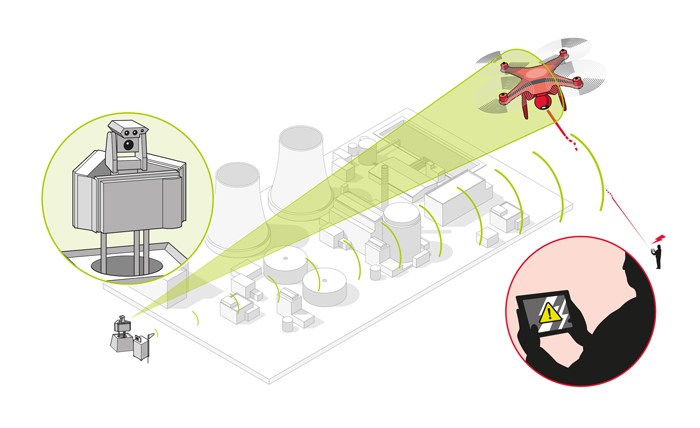
Counter-drone is the new counter-IED
With the advanced tactics displayed by ISIS, counter-drone efforts are drawing parallels to the counter-IED challenge posed during the Iraq War.
-
DoD has more intel than it can process
With all the data coming in from ISR systems and sensors, the Pentagon is having difficulty processing it all.
-

Altamira secures intelligence contract
Altamira Technologies has been awarded an $18 million system engineering contract to support U.S. intelligence agencies.
-
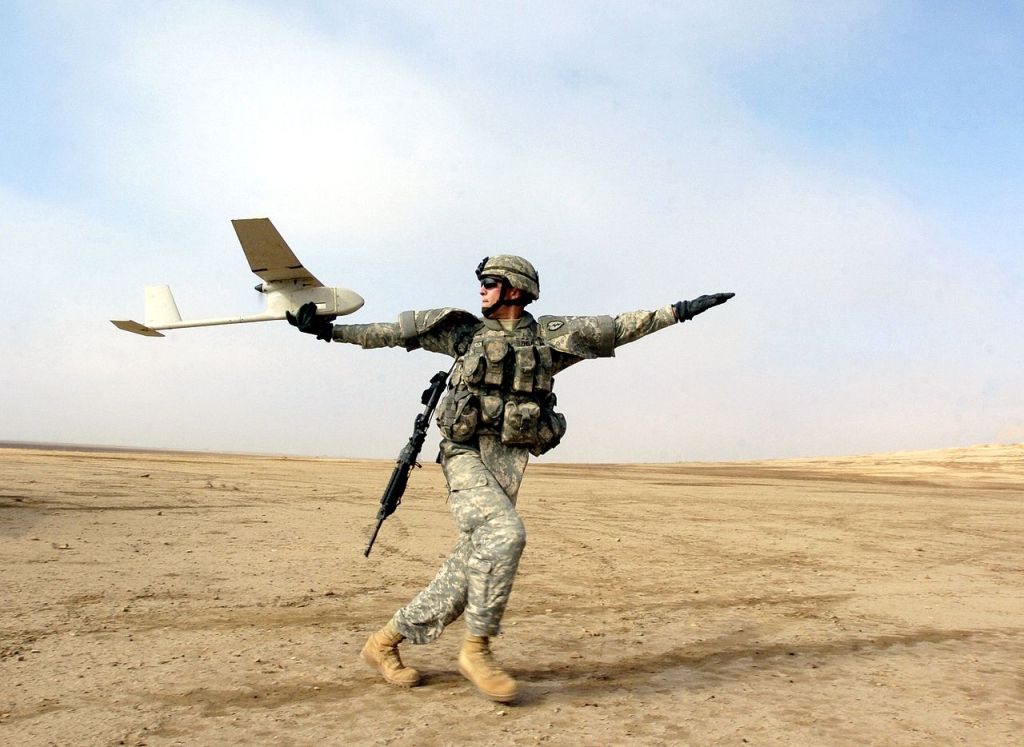
For the Army, drone and counter-drone ops go ‘hand in hand’
The Army is training small UAS and counter-UAS operators alongside each other.
-
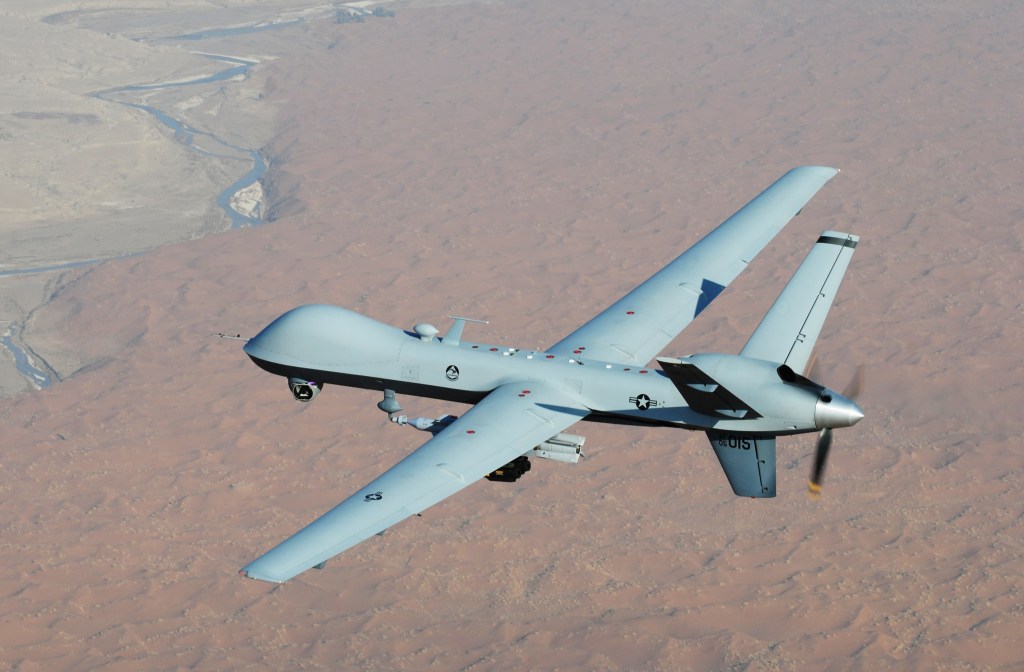
General Atomics goes for Australian drone competition
General Atomics has launched its Team Reaper Australia group to meet the Australian military’s search for a new drone.
-
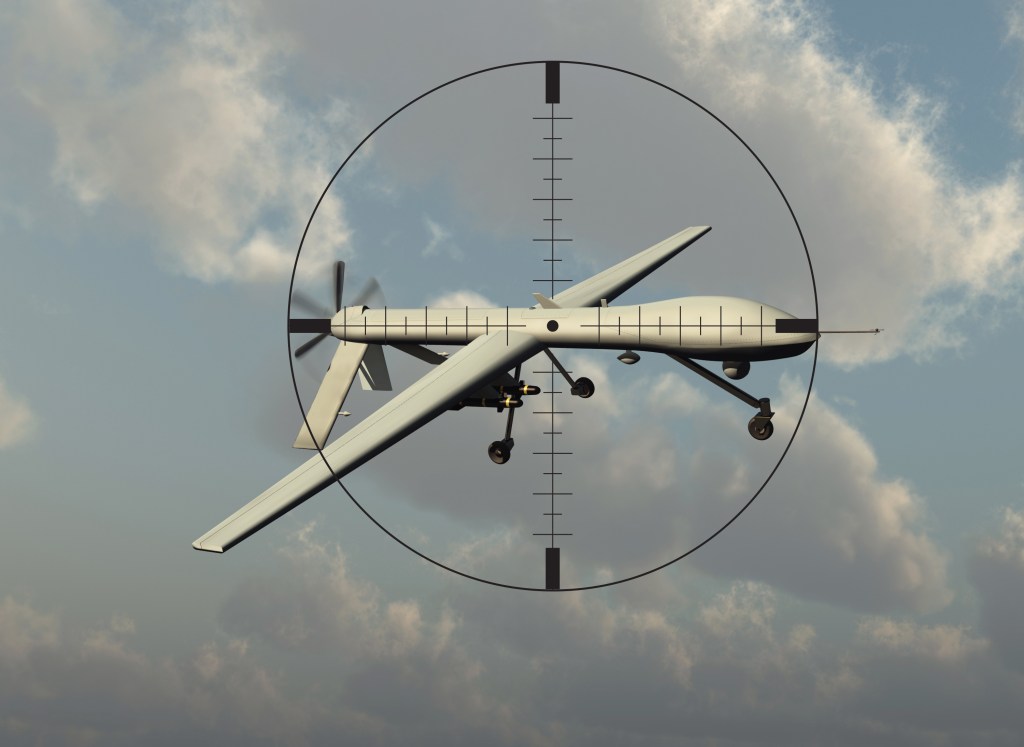
Army moves toward fielding counter-UAS tools
One general provided a brief overview and vignette into how the service is looking to develop and integrate counter-UAS tools.
-
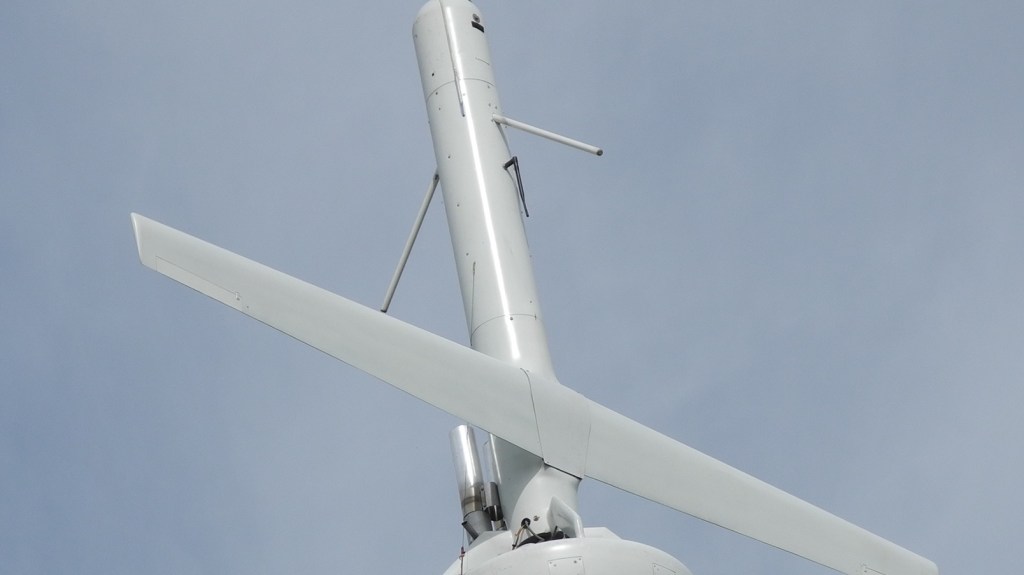
VStar demonstrates drone sensor
The MA-C/lite, which weighs about 2 pounds, was tested on a Martin V-Bat UAV.
-
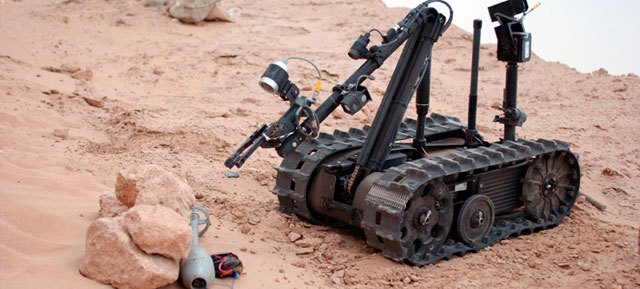
Robots are here to stay in the Army, says report
The Army should pursue robotic and autonomous systems capabilities “with urgency,” the strategy asserts.
-

Thales Group and SES S.A. announce deal with Hughes for FlytLIVE network
The coverage will allow airline passengers to stream internet services for movies, live television, video games and social media.
-

Israel and India to co-develop mini-drones
The agreement between Israel Aerospace Industries and India’s Dynamatic Technologies Limited “covers the production, assembly and support of mini UAVs in India,” according to The Times of Israel.