-
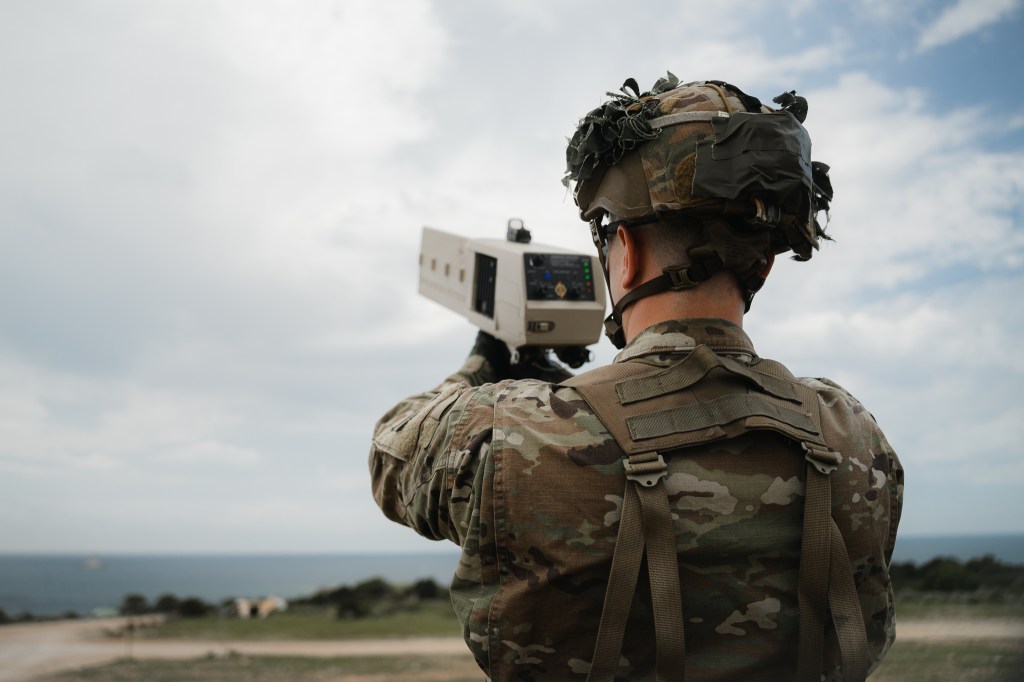
Army units must trim command posts, add drones to survive
Smaller command posts already are being tested at the National Training Center and overseas.
-
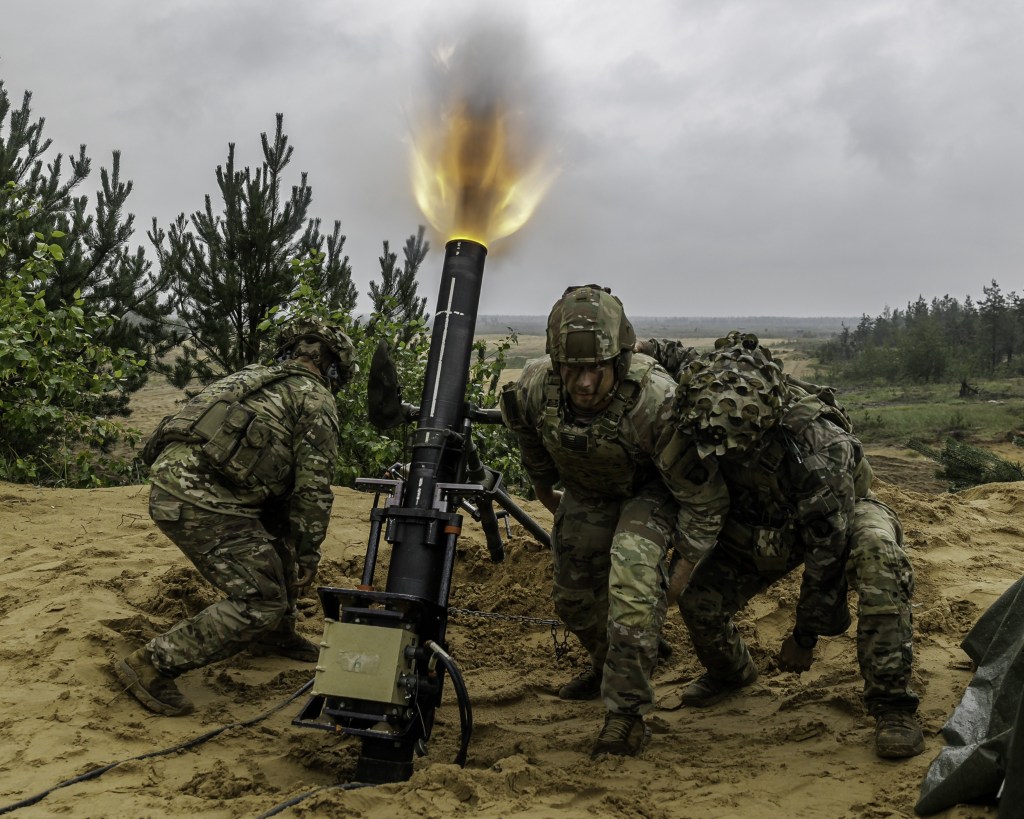
Army to slash thousands of jobs in major revamp for future wars
The cuts will mainly affect already-empty posts — not actual soldiers.

Featured:
Unmanned
Unmanned aerial systems, intelligence, reconnaissance and surveillance: More and more these assets are powering military operations and informing decision-making.
-
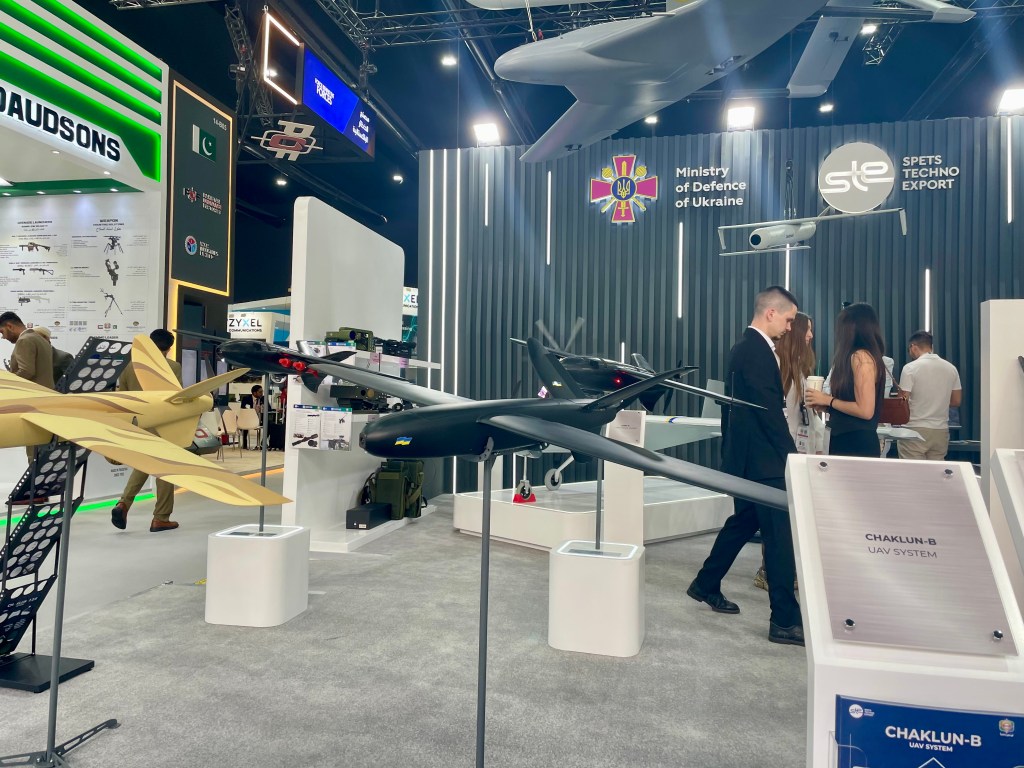
Ukrainian defense planners envision a drones-only front line
Ukrainian drone makers are showcasing equipment at the IDEX defense show that could help establish a front line devoid of human operators.
-

Researchers want to use drones for ocean floor exploration
Virginia Tech researchers and a professor at Old Dominion University have teamed up to develop a fleet of 12 underwater drones costing $125,000 each.
-
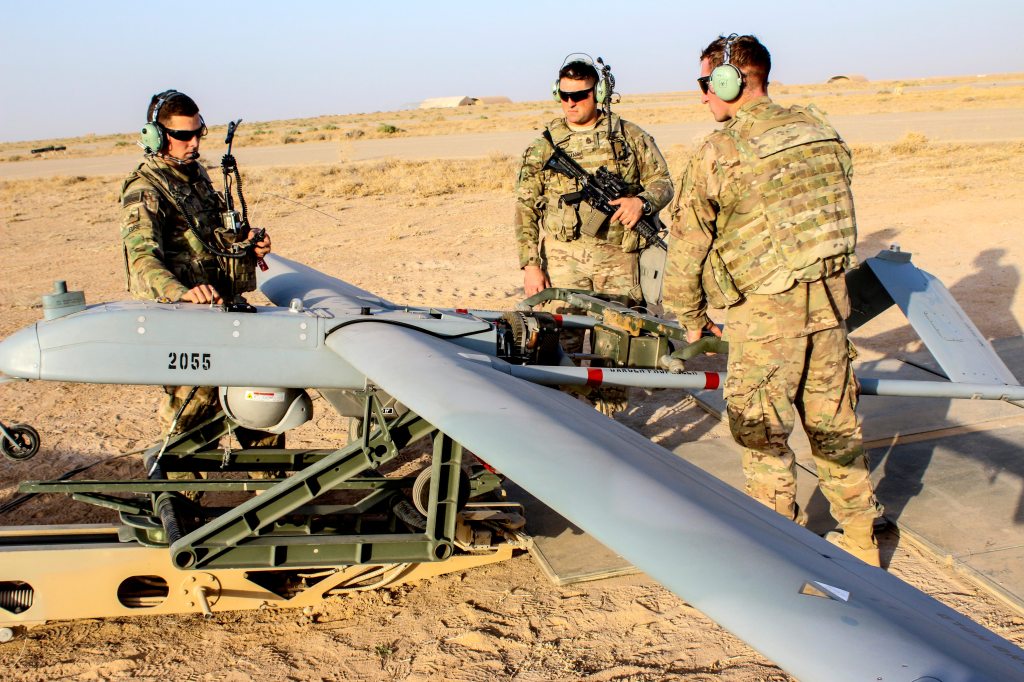
Leidos wins tactical UAV contract
The company was awarded a prime slot on an Army contract to support tactical UAV operations.
-
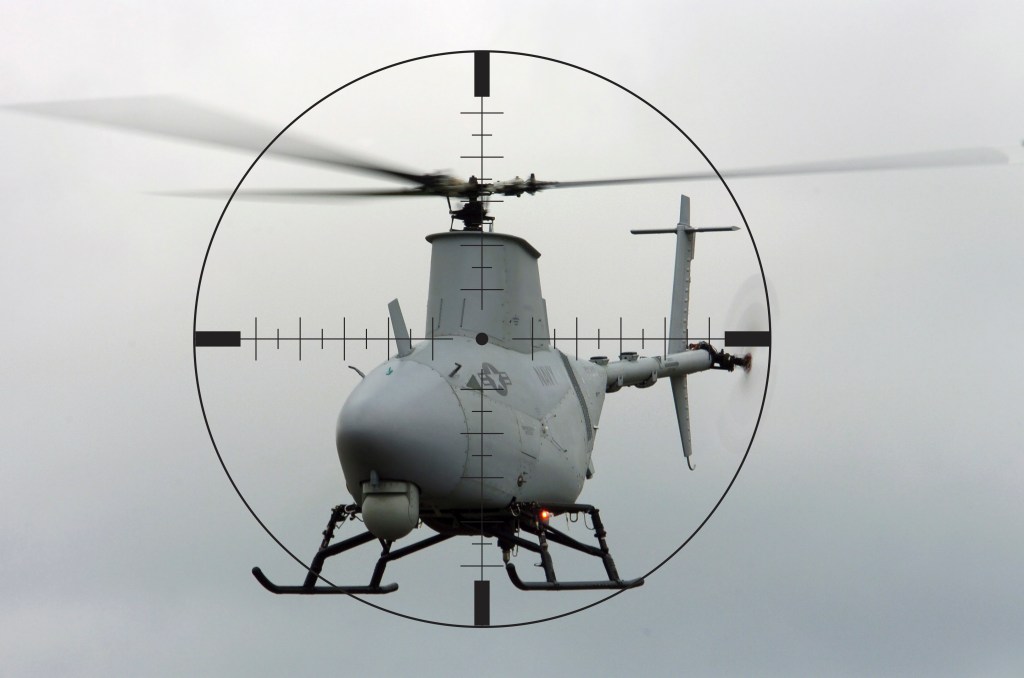
US coalition battles ISIS with EW, counter-drone ops
The U.S. is providing its partners in the region fighting ISIS electronic warfare capabilities to fight ISIS drones.
-
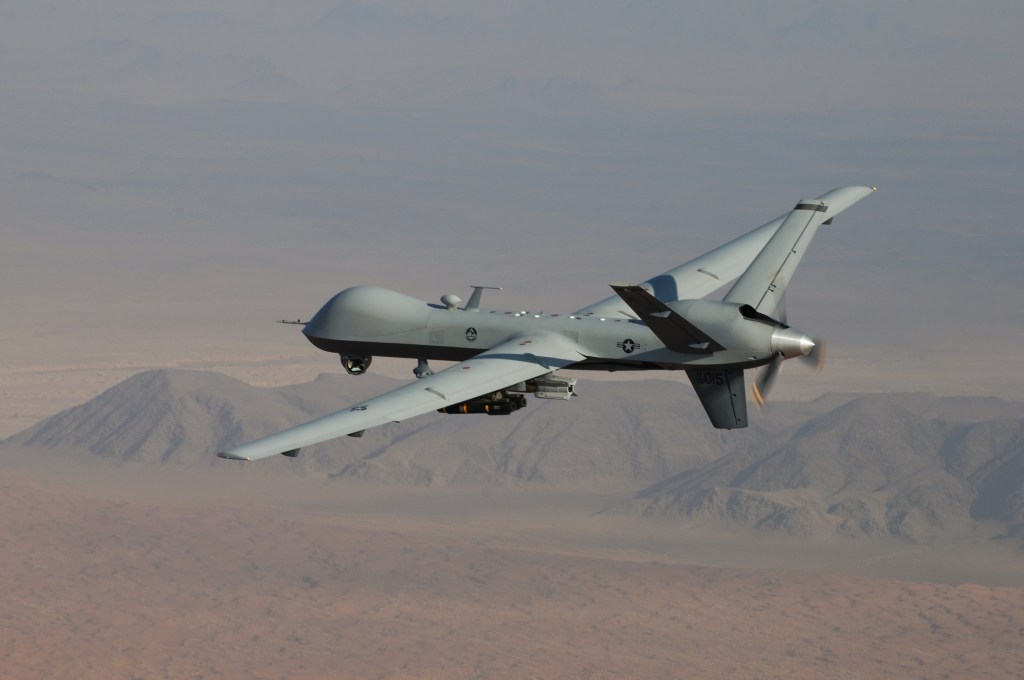
Reaper drone receives radar warning receiver
Further tests later this year will include linking the receiver to the Link 16 tactical data network.
-

Navy invests in AI, human operator linkup
Through machine learning, researchers will look to develop systems that can read sensor inputs more rapidly and more accurately. This could drive a range of battlefield outcomes.
-
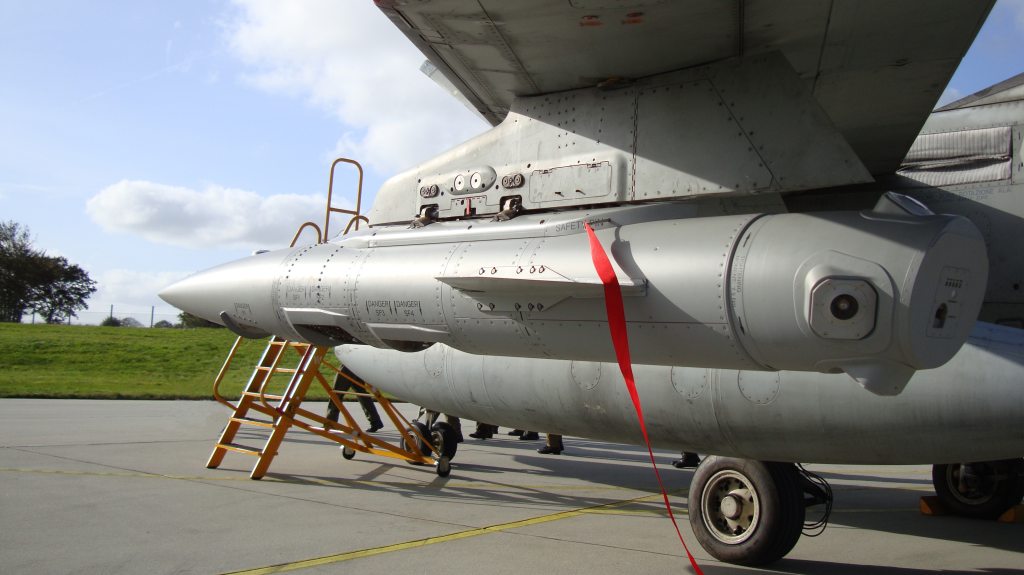
Saab secures German electronic countermeasures deal
The pods will be produced in Sweden and South Africa.
-
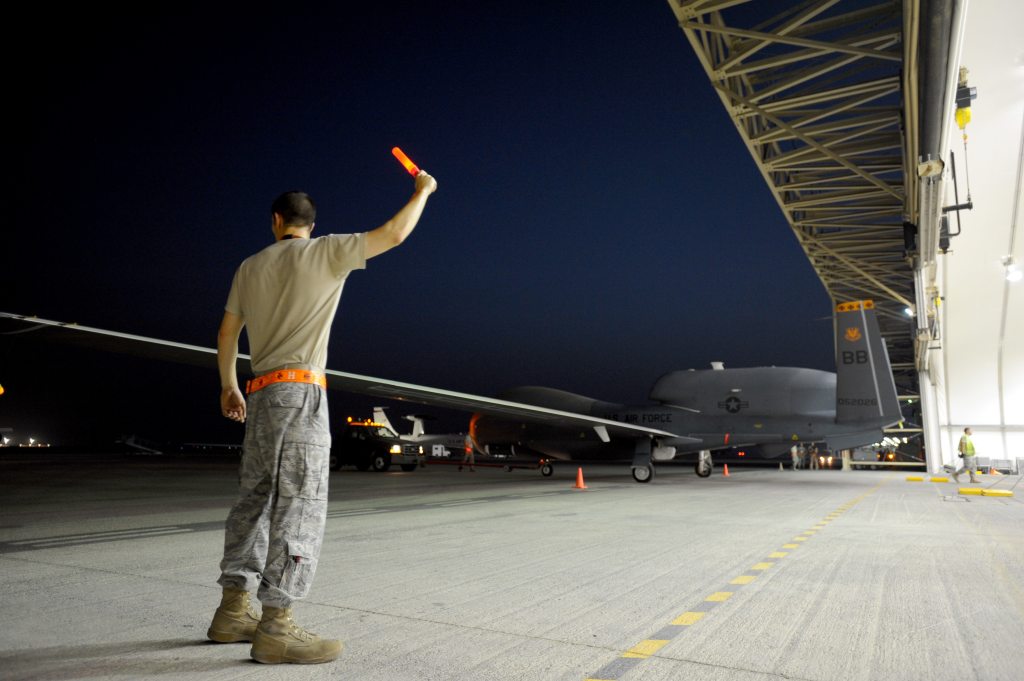
Multi-spectral sensor tested on Global Hawk drone
The MS-177 is the successor to the Senior Year Electro-optical Reconnaissance System, or SYERS, sensor, currently flown on U-2S aircraft.
-
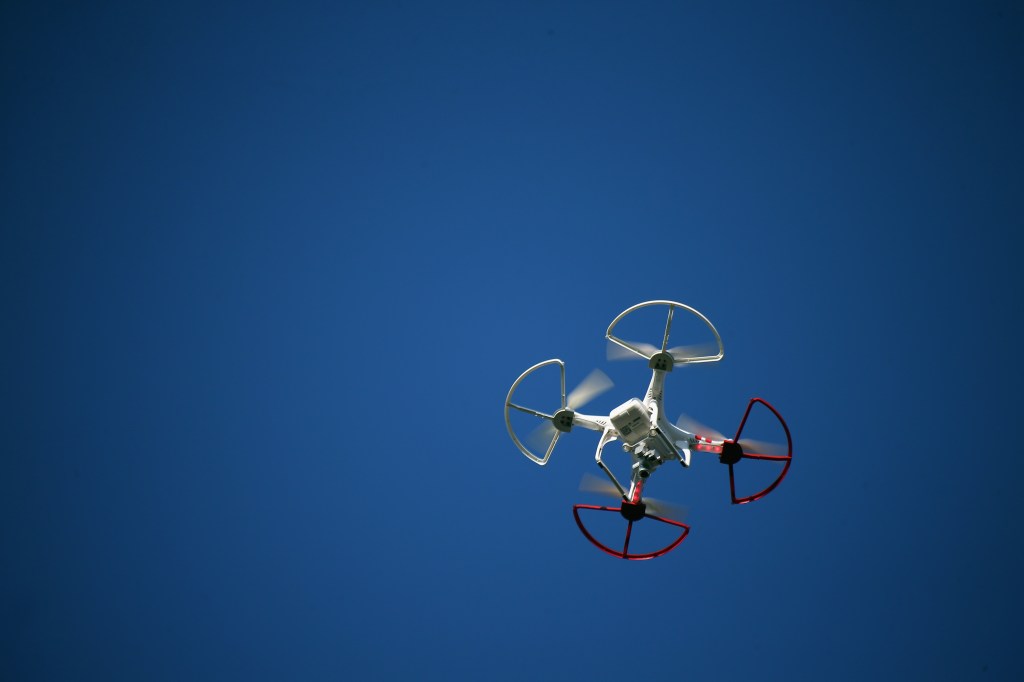
Army releases counter-drone training document
The new document goes into depth regarding the planning considerations for defending against low, slow, small unmanned air threats.
-
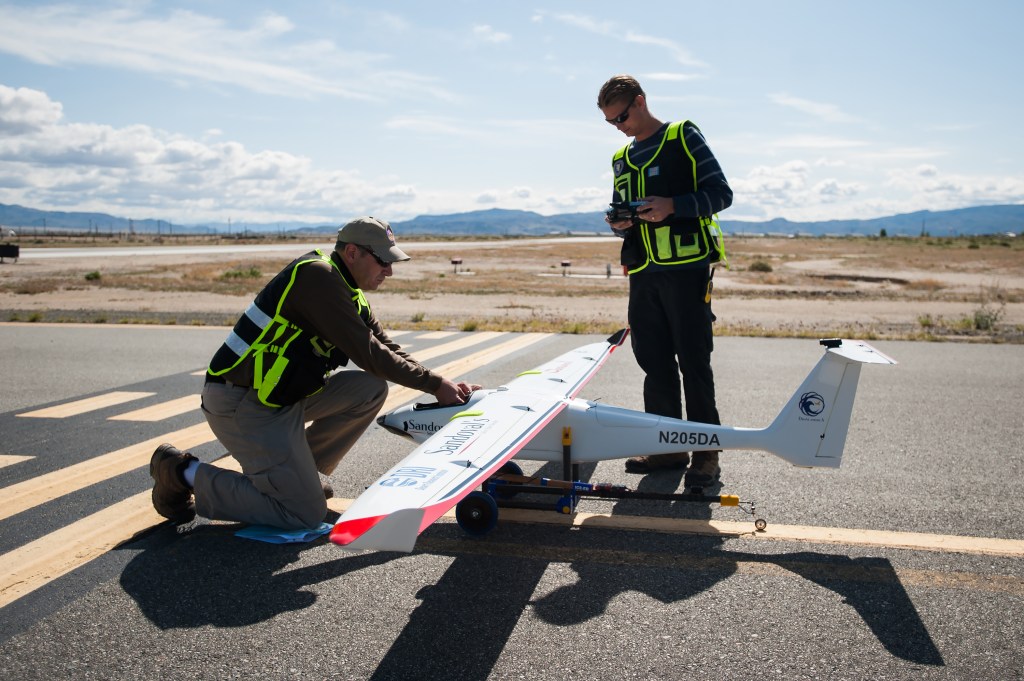
URS secures $3.6B UAV contract
URS Federal Services has been awarded an Air Force contract, valued at up to $3.6 billion, to support UAV programs.
-
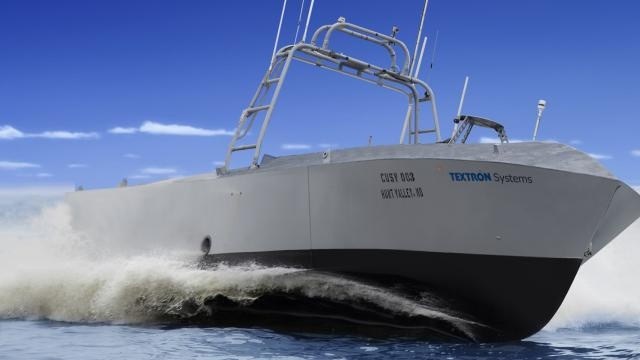
Navy orders additional mine-hunter drones
Textron has been awarded a $14.8 million Navy contract to provide additional robot mine-hunters.