-
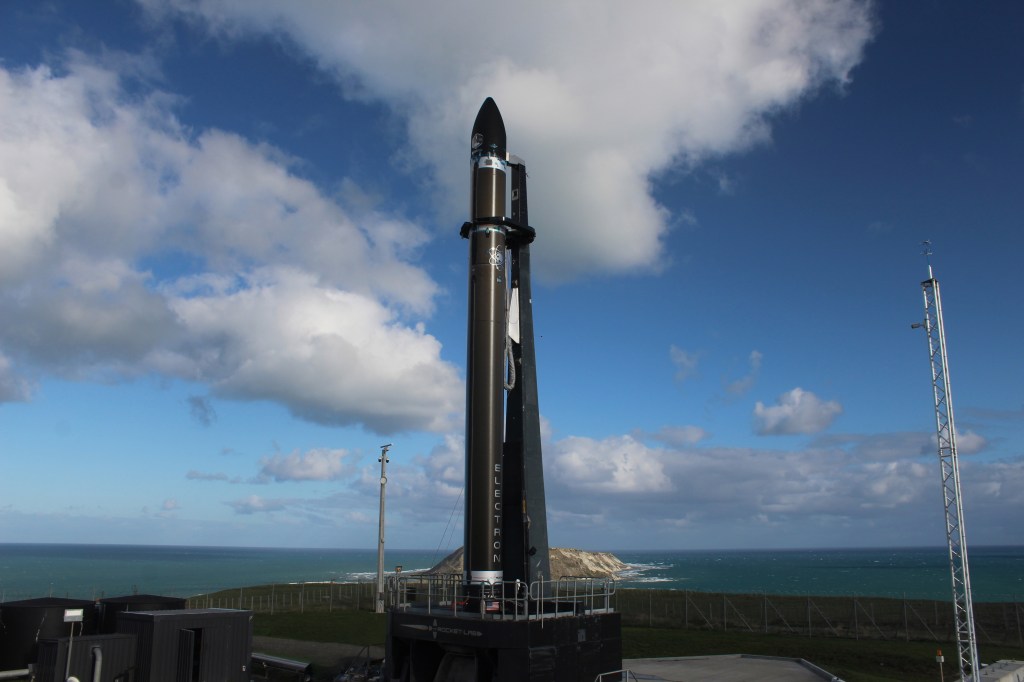
Funding for small launch providers still in question after withdrawal of $116M in contracts
The Air Force’s top acquisition official explained why contract awards for six small launch companies were recalled earlier this month.
-
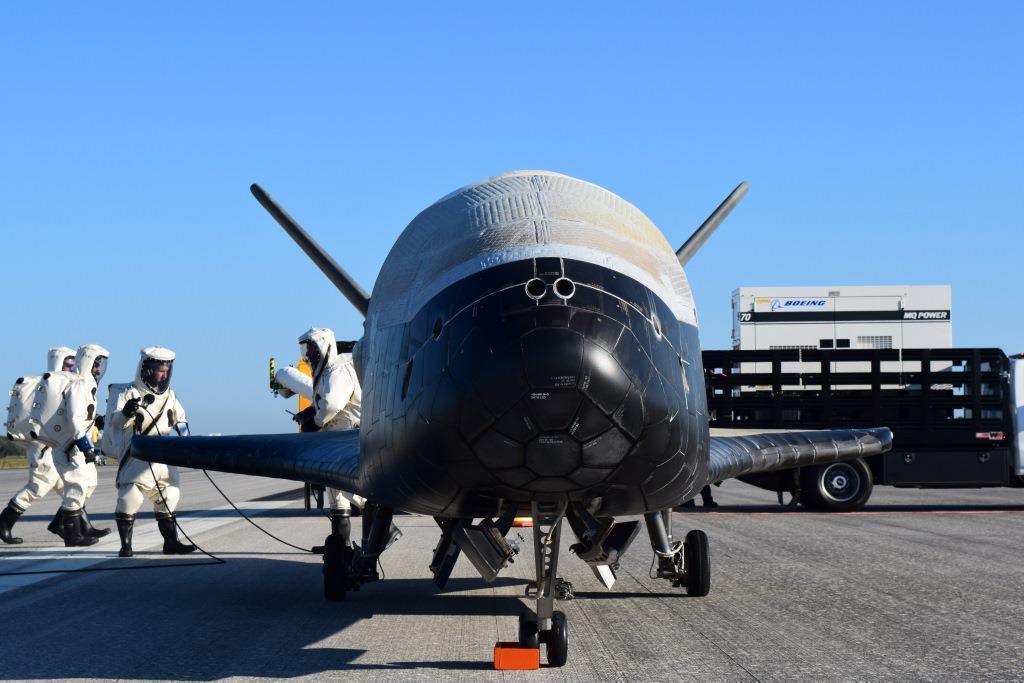
US Space Force launches the mysterious X-37B space plane
The X-37B will be hosting more experiments than ever before thanks to a new payload module.

Featured:
Space and Missile Defense
This Special Report examines the latest in missile defense and space technology from across the services.
-
US Space Force launches the mysterious X-37B space plane
The X-37B will be hosting more experiments than ever before thanks to a new payload module.
-
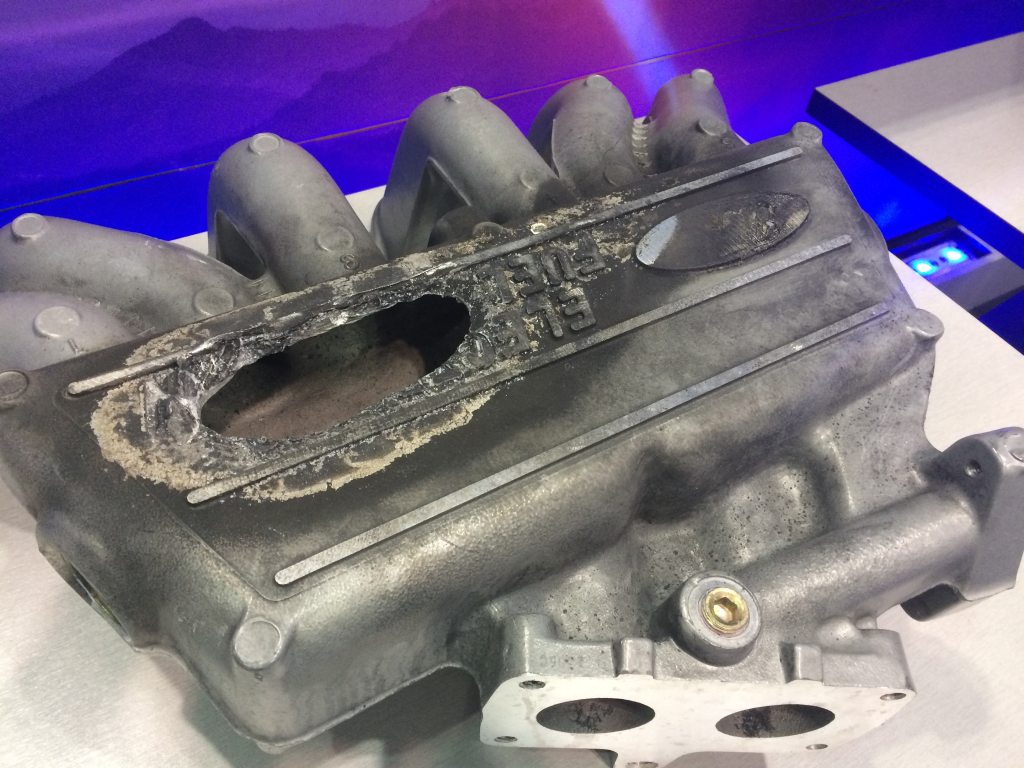
DoD Presses On In Pursuit of Laser Weapons
Developing directed energy to be used as laser weapons on a variety of platforms has been a huge priority for the Defense Department. Technology has reached a point where lasers aren’t just a cool, futuristic concept but will be vital in future military operations and war.
-

Air Force outlines space and cyberspace tech R&D priorities
Self-healing satellites? Air Force Space Command’s chief scientist has a high-tech wish list.
-

NORTHCOM official: JLENS provides valuable data
Despite JLENS’ setbacks, one official lauded the information gathered from the aerostat program.
-

What the Army can learn from “Jaws”
One scene from the iconic 1975 movie “Jaws” can really be applied to how the Army is trying to adapt to a rapidly changing world.
-

Army acquisition official: Cyber, EW pose enterprise challenges
The ability to work through cyber or electronic warfare attacks is dependent upon two factors: understanding systems and categorizing what’s most critical.
-
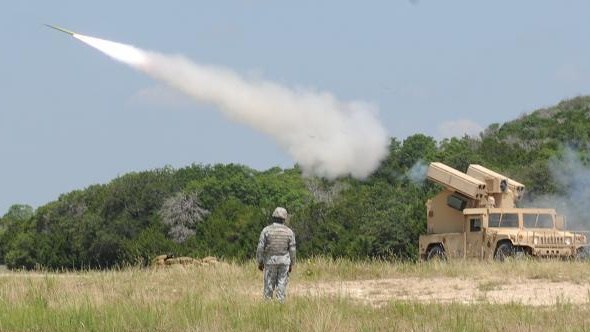
Your body as a missile defense platform
Like the human body’s senses and brain, sensors proving data for action drive missile defense.
-

MDA director calls for persistent space tracking
Amid proliferating threats across domains, the director of the Missile Defense Agency is pushing for a persistent space tracking capability.
-
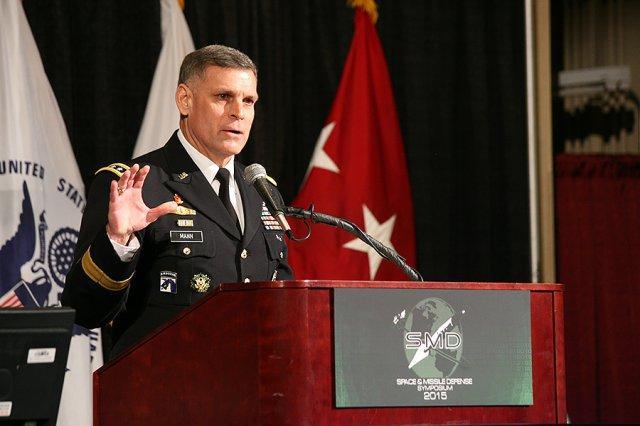
Space and Missile Defense Symposium: Twitter roundup, day 1
The first day of the Space and Missile Defense Symposium in Huntsville, Alabama, generated plenty of discussion.
-

Army space operators are like NFL kickers
Army space operations officers can be compared to kickers on a football team: While not the most glamorous or even most well-known players, they can make or break a game.
-
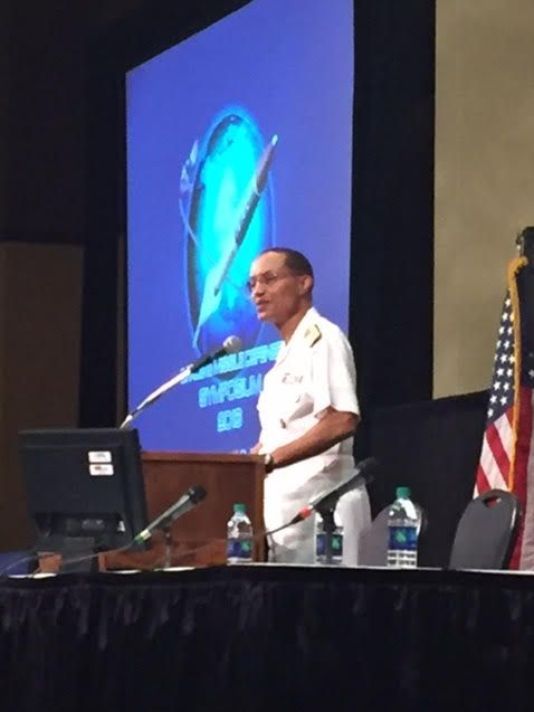
How STRATCOM’s priorities line up in an interconnected world
The nature of today’s world is everything is connected. This is true in the commercial, social, political and warfare spaces.