-

Space Force mulls refueling as industry calls for funding, standards
The U.S. Space Force wants industry to invest in on-orbit refueling, but companies say they need standards first.
-

Pentagon says $1 billion planned for first two years of Replicator
The deputy secretary of defense and Pentagon comptroller outlined for the first time how much Replicator will cost and where that money may come from.
-
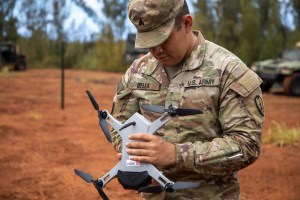
Tech maturing too fast for multiyear drone buys, Army’s Bush says
Locking in on the same drone year after year may not make sense amid rapidly changing circumstances, he said.
-

US Space Force budget request dips as China threat increases
Air Force Secretary Frank Kendall said he’s worried funding constraints are keeping the service from transitioning quickly to more resilient space systems.
-
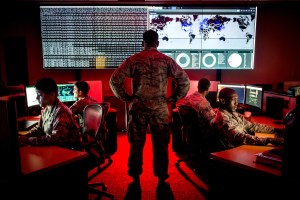
Pentagon seeks $14.5 billion for cyber spending including zero trust
“Cyber capabilities will continue to be a critical component of our national defense and, accordingly, a priority in our budget,” a senior official said.
-
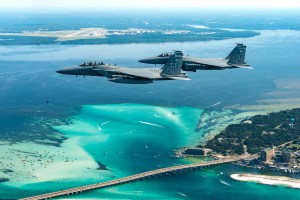
US Air Force budget request leans toward R&D, trims fighter purchases
The Air Force plans to trim the number of F-15EXs it buys in 2025 from 24 to 18, and cap the fleet at 98.
-
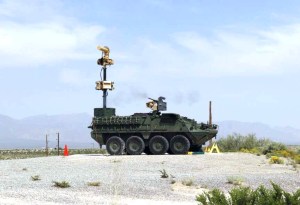
Asian nations rushing to buy counter-drone tech as conflicts intensify
South Korea’s military installed Liteye drone-detection systems, now made by High Point Aerotechnologies, to spot North Korean aerial intrusions.
-
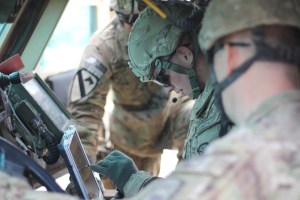
Software revamp aims to align US Army with industry best practices
“More than ever before, software is actually a national-security imperative,” said Margaret Boatner, an Army strategy and acquisition executive.
-

To achieve Replicator, the Pentagon should mirror Unmanned Task Force
Disruptive innovation inside any large organization is extremely hard. Few organizations have shown they can sustain disruptive innovation over time.
-
NATO navigates fine line between transparency, information security
A core theme of the speeches presented by NATO representatives revolved around transparency. Yet many were wary of answering questions related to Russia.
-
Space Force mulls refueling as industry calls for funding, standards
The U.S. Space Force wants industry to invest in on-orbit refueling, but companies say they need standards first.
-
Pentagon says $1 billion planned for first two years of Replicator
The deputy secretary of defense and Pentagon comptroller outlined for the first time how much Replicator will cost and where that money may come from.
-
Tech maturing too fast for multiyear drone buys, Army’s Bush says
Locking in on the same drone year after year may not make sense amid rapidly changing circumstances, he said.
-
US Space Force budget request dips as China threat increases
Air Force Secretary Frank Kendall said he’s worried funding constraints are keeping the service from transitioning quickly to more resilient space systems.
-
Pentagon seeks $14.5 billion for cyber spending including zero trust
“Cyber capabilities will continue to be a critical component of our national defense and, accordingly, a priority in our budget,” a senior official said.
-
US Air Force budget request leans toward R&D, trims fighter purchases
The Air Force plans to trim the number of F-15EXs it buys in 2025 from 24 to 18, and cap the fleet at 98.
-
Asian nations rushing to buy counter-drone tech as conflicts intensify
South Korea’s military installed Liteye drone-detection systems, now made by High Point Aerotechnologies, to spot North Korean aerial intrusions.
-
Software revamp aims to align US Army with industry best practices
“More than ever before, software is actually a national-security imperative,” said Margaret Boatner, an Army strategy and acquisition executive.
-
To achieve Replicator, the Pentagon should mirror Unmanned Task Force
Disruptive innovation inside any large organization is extremely hard. Few organizations have shown they can sustain disruptive innovation over time.
-
NATO navigates fine line between transparency, information security
A core theme of the speeches presented by NATO representatives revolved around transparency. Yet many were wary of answering questions related to Russia.
-

Space Force mulls refueling as industry calls for funding, standards
The U.S. Space Force wants industry to invest in on-orbit refueling, but companies say they need standards first.
-
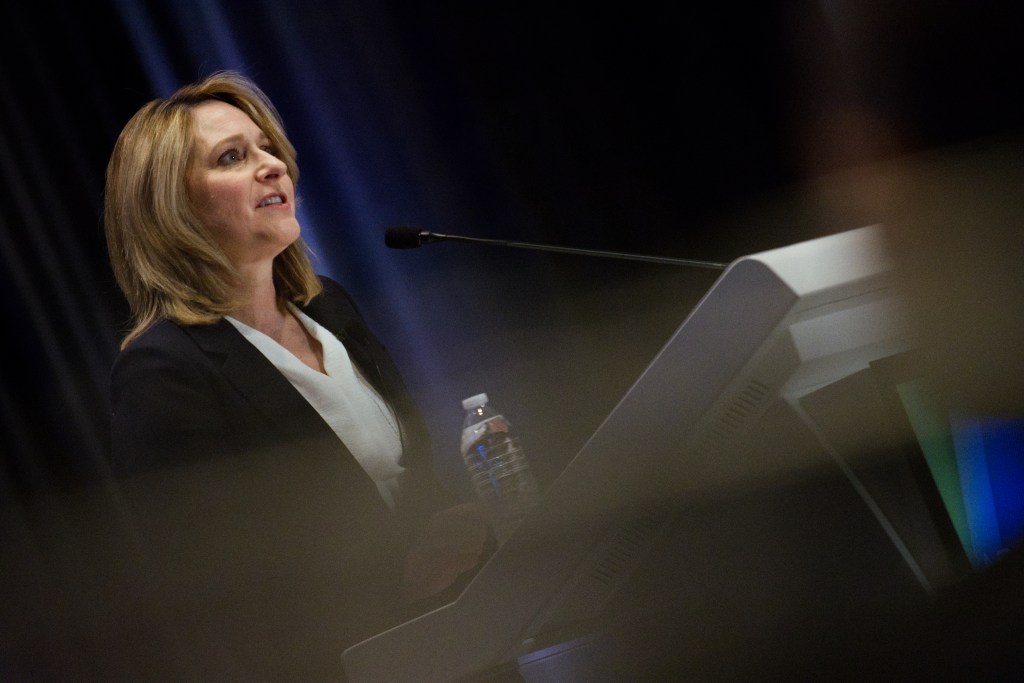
Pentagon says $1 billion planned for first two years of Replicator
The deputy secretary of defense and Pentagon comptroller outlined for the first time how much Replicator will cost and where that money may come from.
-
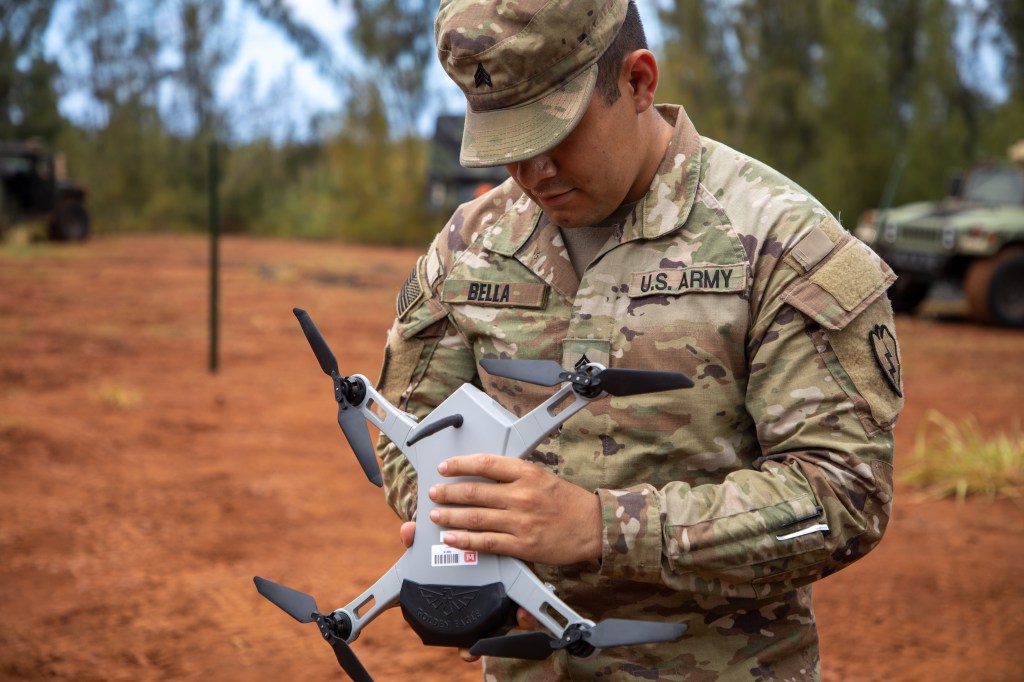
Tech maturing too fast for multiyear drone buys, Army’s Bush says
Locking in on the same drone year after year may not make sense amid rapidly changing circumstances, he said.
-

US Space Force budget request dips as China threat increases
Air Force Secretary Frank Kendall said he’s worried funding constraints are keeping the service from transitioning quickly to more resilient space systems.
-
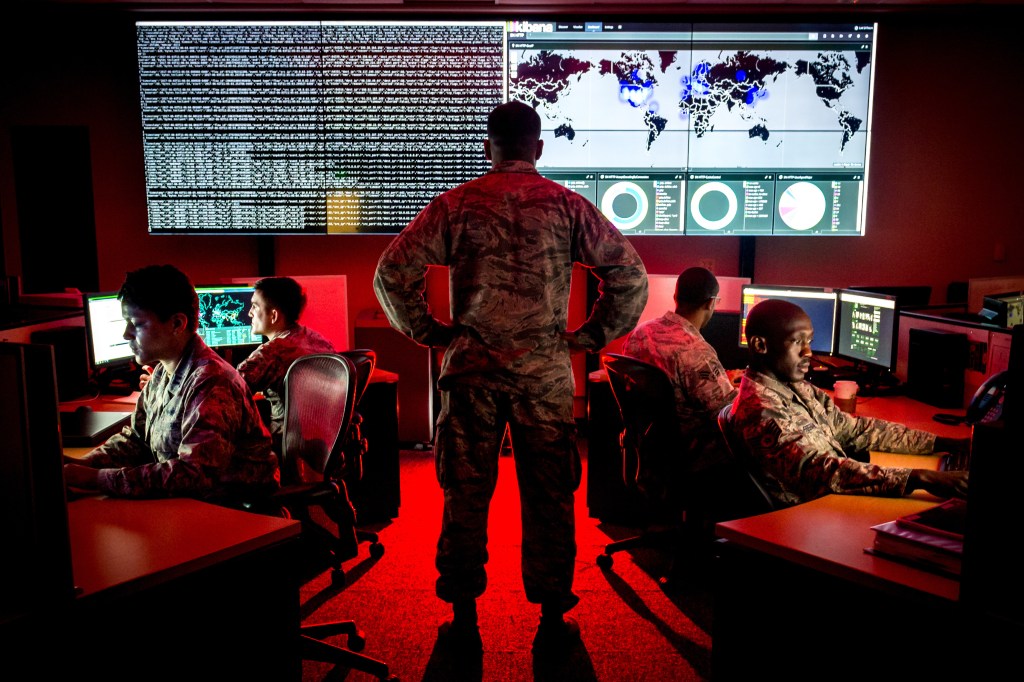
Pentagon seeks $14.5 billion for cyber spending including zero trust
“Cyber capabilities will continue to be a critical component of our national defense and, accordingly, a priority in our budget,” a senior official said.
-
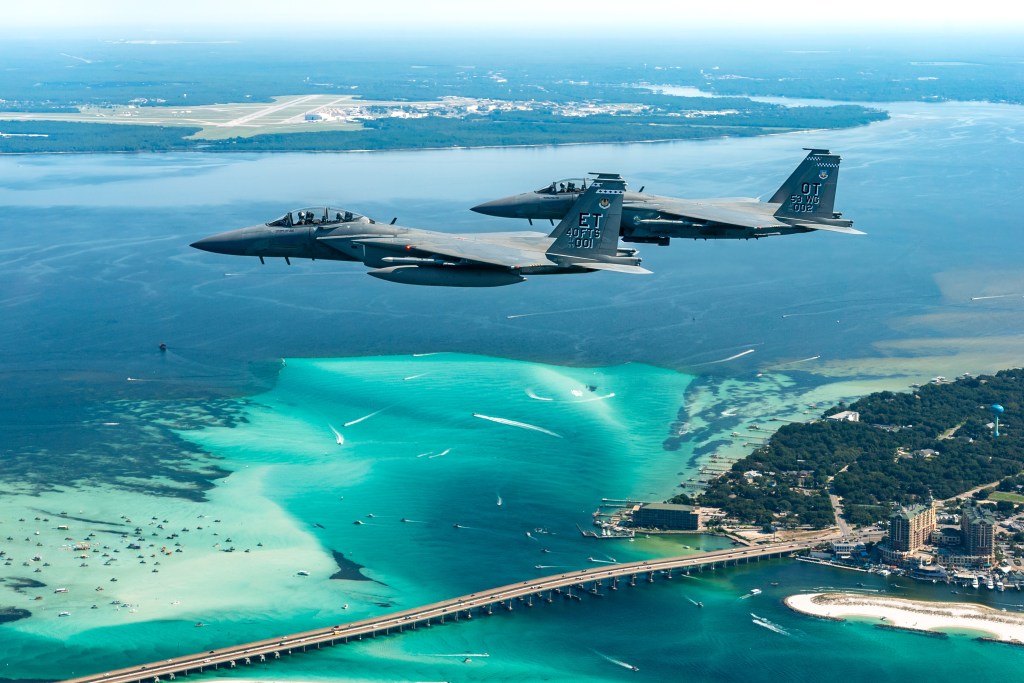
US Air Force budget request leans toward R&D, trims fighter purchases
The Air Force plans to trim the number of F-15EXs it buys in 2025 from 24 to 18, and cap the fleet at 98.
-
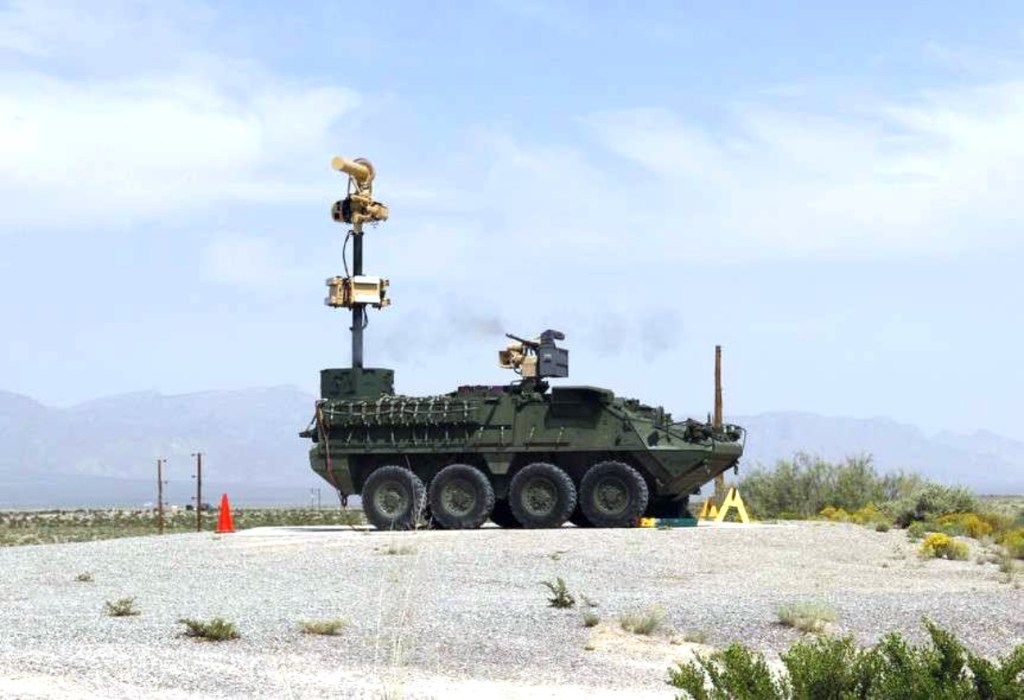
Asian nations rushing to buy counter-drone tech as conflicts intensify
South Korea’s military installed Liteye drone-detection systems, now made by High Point Aerotechnologies, to spot North Korean aerial intrusions.
-
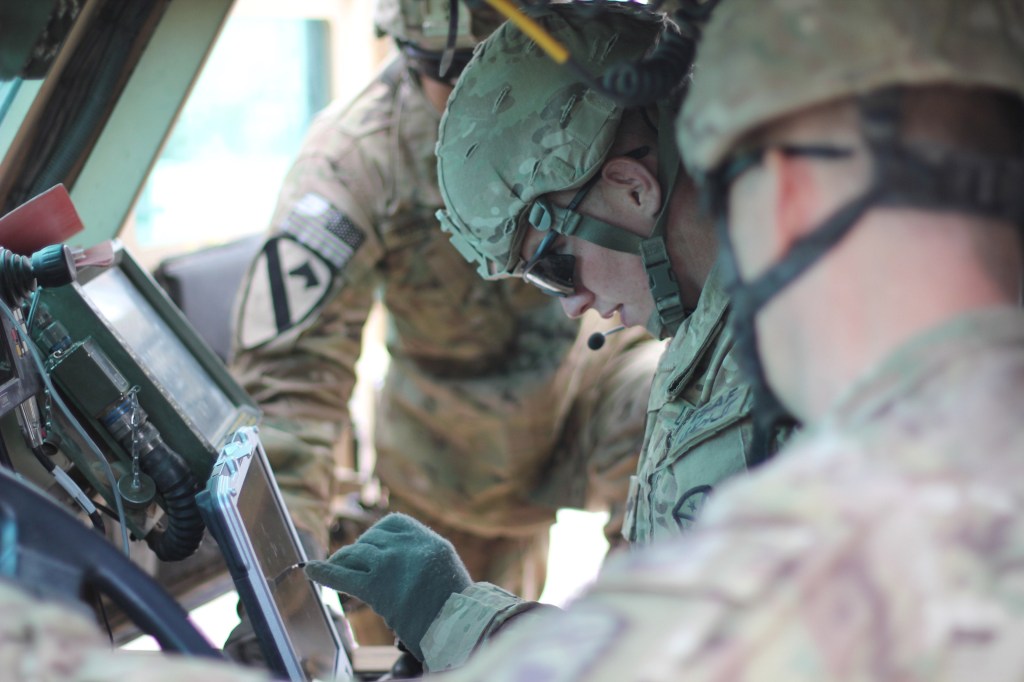
Software revamp aims to align US Army with industry best practices
“More than ever before, software is actually a national-security imperative,” said Margaret Boatner, an Army strategy and acquisition executive.
-

To achieve Replicator, the Pentagon should mirror Unmanned Task Force
Disruptive innovation inside any large organization is extremely hard. Few organizations have shown they can sustain disruptive innovation over time.
-
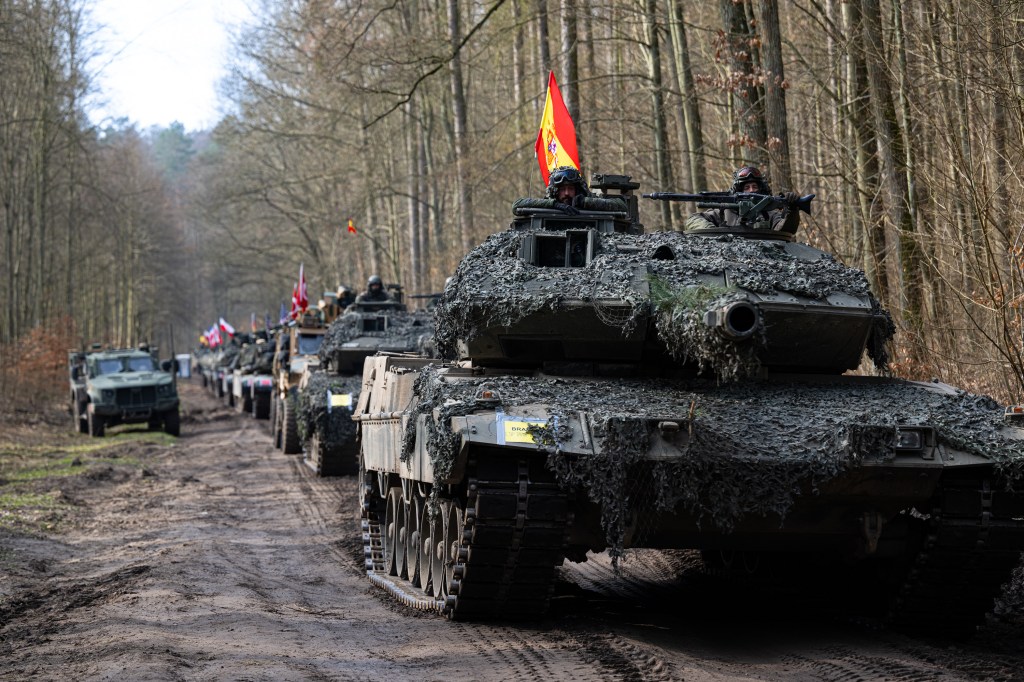
NATO navigates fine line between transparency, information security
A core theme of the speeches presented by NATO representatives revolved around transparency. Yet many were wary of answering questions related to Russia.