-

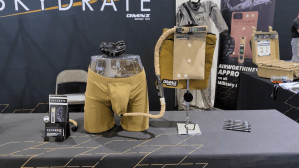
The sensors that could sniff out chemical weapons
Researchers are working to more effectively detect the use of chemical and other non-conventional weapons.
-

Air Force secretary: China, Russia could shoot down new JSTARS on day one of a war
Even a new version of the Air Force’s JSTARS battlefield management and control aircraft would be vulnerable to being shot out of the sky during the opening salvo of a conflict with Russia or China.
-
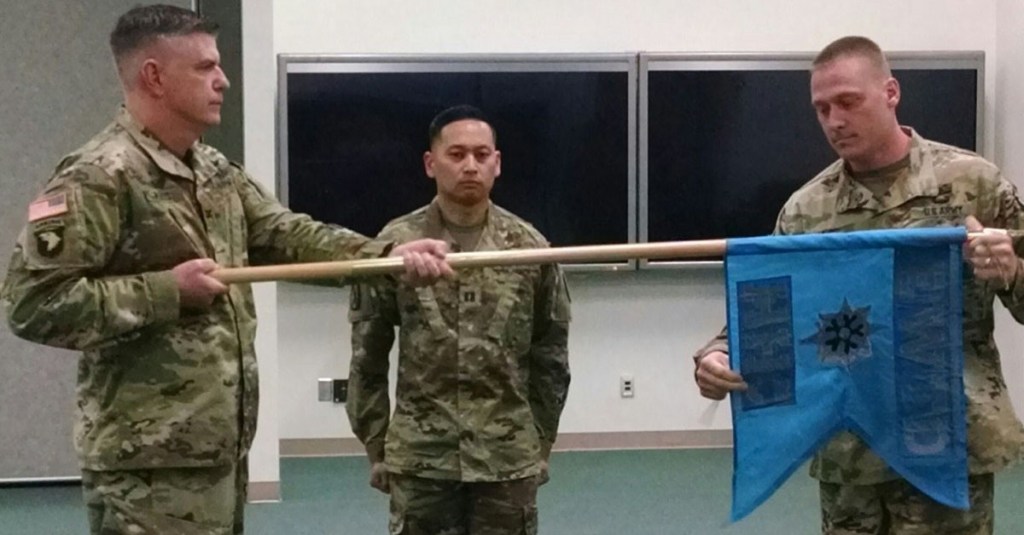
Army realigns digital ‘hunters’ for rising electronic warfare
The directorate was re-aligned to increase test efficiency for ISR, EW, biometrics and counter IED systems.
-
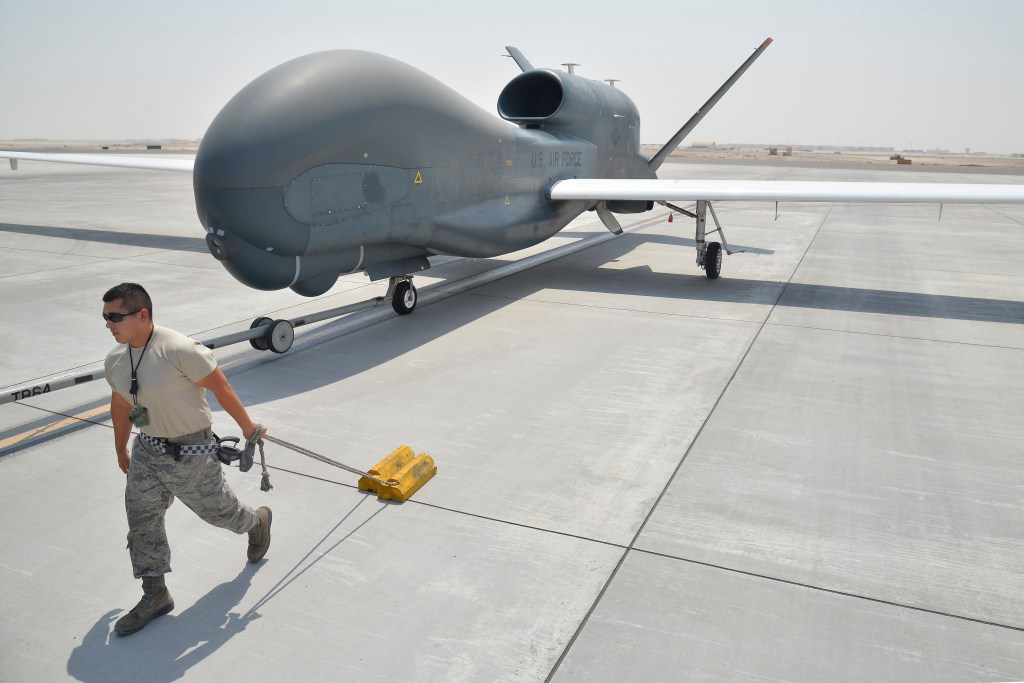
How intel agencies can win over skeptics in Silicon Valley
In light of protest over the Pentagon’s use of AI, Defense and intelligence agencies have to rethink how to sell their mission to Silicon Valley.
-

New Eurodrone will rely on Galileo satellite navigation, but have GPS just in case
UAVs are only as autonomous as the satellite navigation links they use.
-
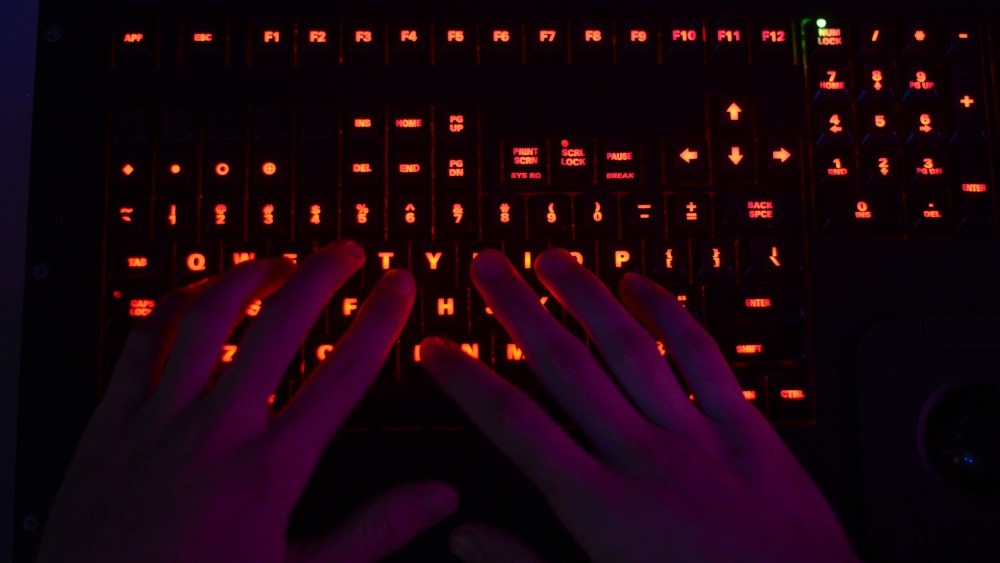
How the big data revolution is a game changer for intel
The deputy director of the National Geospatial-Intelligence Agency spoke candidly about how big data is transforming his agency and what they’re doing to keep up.
-

To stay ahead of Chinese AI, senators want new commission
Two senators think it’s time the U.S. has more guidance on growing its artificial intelligence industry.
-
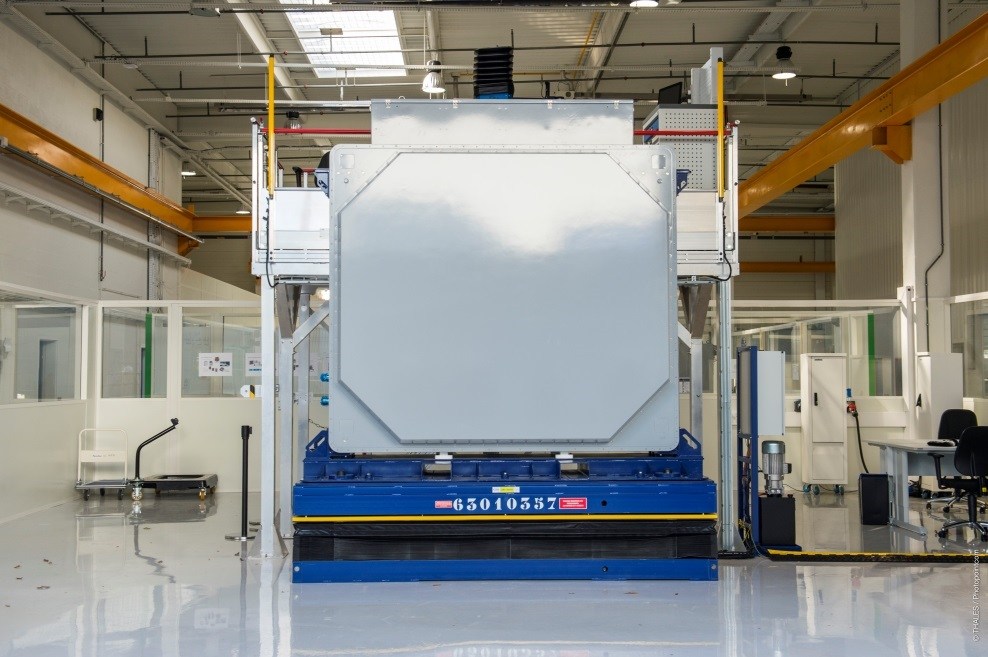
Thales kicks off production on supersonic missile-tracking sensor
Production has begun for the Sea Fire digital radar, a naval sensor designed to track new weapons.
-
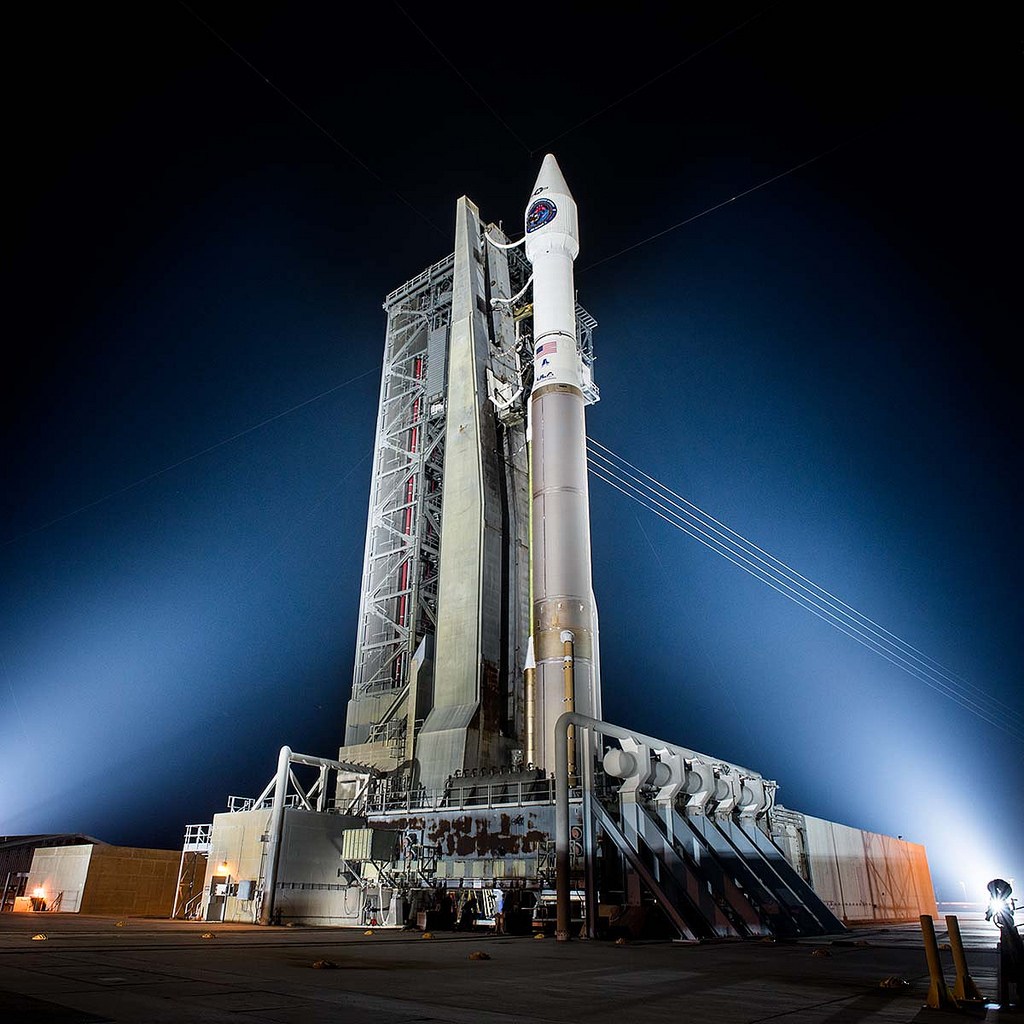
Air Force’s newest missile defense satellite delivers first images
The Air Force’s newest missile warning satellite sent its first images back to Earth- an event known as “first light.”
-

What the Pentagon is learning from its massive machine learning project
Project Maven has already deployed in five or six locations across Africa and the Middle East. Here’s what officials are learning from those deployments so far.
-
The sensors that could sniff out chemical weapons
Researchers are working to more effectively detect the use of chemical and other non-conventional weapons.
-
Air Force secretary: China, Russia could shoot down new JSTARS on day one of a war
Even a new version of the Air Force’s JSTARS battlefield management and control aircraft would be vulnerable to being shot out of the sky during the opening salvo of a conflict with Russia or China.
-
Army realigns digital ‘hunters’ for rising electronic warfare
The directorate was re-aligned to increase test efficiency for ISR, EW, biometrics and counter IED systems.
-
How intel agencies can win over skeptics in Silicon Valley
In light of protest over the Pentagon’s use of AI, Defense and intelligence agencies have to rethink how to sell their mission to Silicon Valley.
-
New Eurodrone will rely on Galileo satellite navigation, but have GPS just in case
UAVs are only as autonomous as the satellite navigation links they use.
-
How the big data revolution is a game changer for intel
The deputy director of the National Geospatial-Intelligence Agency spoke candidly about how big data is transforming his agency and what they’re doing to keep up.
-
To stay ahead of Chinese AI, senators want new commission
Two senators think it’s time the U.S. has more guidance on growing its artificial intelligence industry.
-
Thales kicks off production on supersonic missile-tracking sensor
Production has begun for the Sea Fire digital radar, a naval sensor designed to track new weapons.
-
Air Force’s newest missile defense satellite delivers first images
The Air Force’s newest missile warning satellite sent its first images back to Earth- an event known as “first light.”
-
What the Pentagon is learning from its massive machine learning project
Project Maven has already deployed in five or six locations across Africa and the Middle East. Here’s what officials are learning from those deployments so far.