-
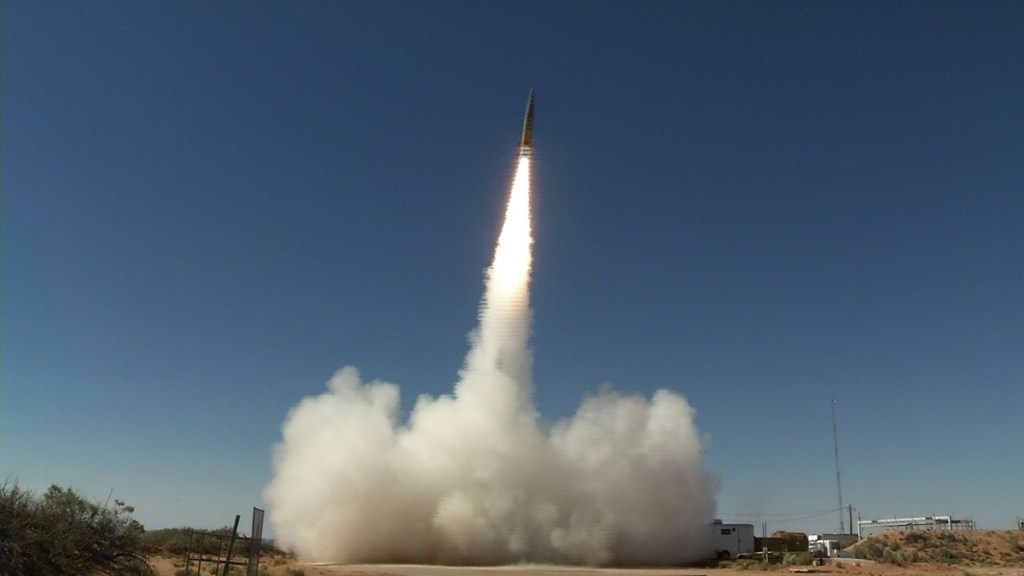
The Army is working to see across thousands of miles
The Army’s ISR Task Force is helping the service see thousands of miles through a layered approach: the terrestrial layer, aerial layer and space layer.
-

What’s next for the US Navy’s future airborne jammer?
The Navy is targeting February for initial procurement of its updated airborne jamming pod.
-
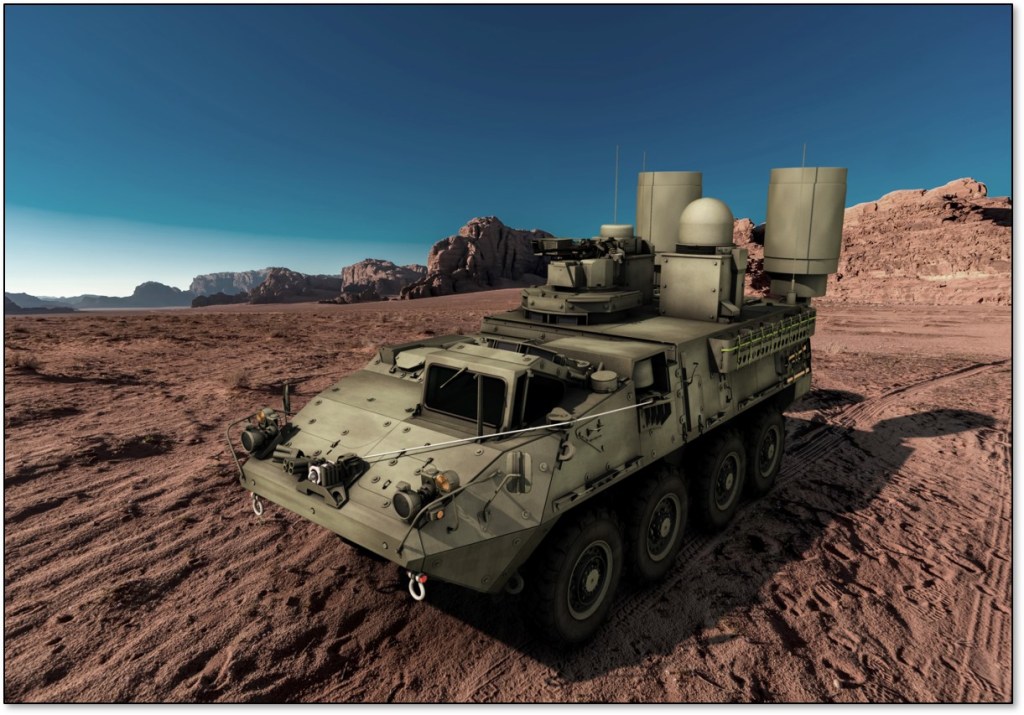
Lockheed develops electronic warfare tools with eye toward multinational interoperability
Lockheed Martin’s ground-based electronic warfare system for the U.S. Army is focused on interoperability with coalition partners.
-

US Army seeks new airborne tech to detect, defeat radar systems
The Army is asking for information on sensors and technologies that can help detect and defeat enemy radars and air defense systems.
-

Navy completes first flight test of new jamming pod
The Navy’s Next Generation Jammer Mid-Band pod completed a successful flight test aboard an EA-18G Growler.
-

Pentagon updates electronic warfare handbook with new cross-branch approach
The Joint Chiefs of Staff released a new joint publication for joint electromagnetic spectrum operations, which replaces a previous document focused on electronic warfare.
-

US Air Force tests electronic warfare capabilities with fighter, recon and bomber aircraft
The Air Force concluded a test event evaluating the F-35’s ability to provide Suppression of Enemy Air Defenses for other stealthy platforms.
-
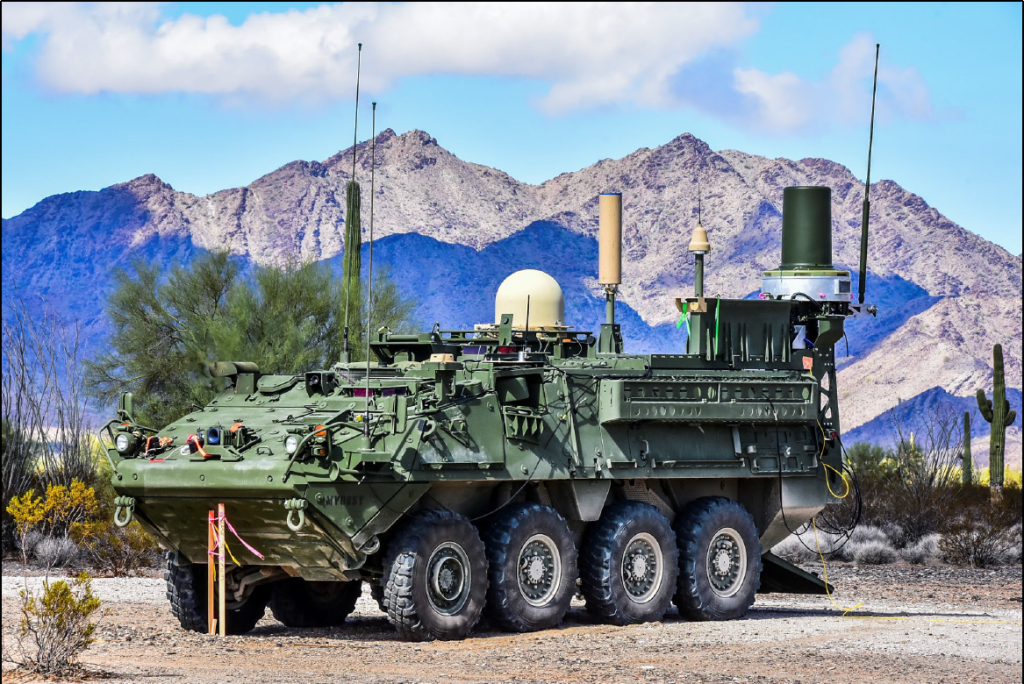
Soldiers in Europe could soon have a new system to disrupt signals
Army units in the Pacific and in Europe could soon have an electronic attack capability to deny, degrade and disrupt enemy signals, an industry official told C4ISRNET.
-

Senate takes aim at Navy’s new jammer
The Senate’s version of the NDAA wants a report on how the Navy’s Next Generation Jammer contributes to a spectrum superiority strategy.
-
Here’s what to expect from the Army’s new electronic warfare effort
The first phase of prototyping for the Army’s Terrestrial Layer System will last for 16 months, after which one of two companies will be selected to move on.
-
The Army is working to see across thousands of miles
The Army’s ISR Task Force is helping the service see thousands of miles through a layered approach: the terrestrial layer, aerial layer and space layer.
-
What’s next for the US Navy’s future airborne jammer?
The Navy is targeting February for initial procurement of its updated airborne jamming pod.
-
Lockheed develops electronic warfare tools with eye toward multinational interoperability
Lockheed Martin’s ground-based electronic warfare system for the U.S. Army is focused on interoperability with coalition partners.
-
US Army seeks new airborne tech to detect, defeat radar systems
The Army is asking for information on sensors and technologies that can help detect and defeat enemy radars and air defense systems.
-
Navy completes first flight test of new jamming pod
The Navy’s Next Generation Jammer Mid-Band pod completed a successful flight test aboard an EA-18G Growler.
-
Pentagon updates electronic warfare handbook with new cross-branch approach
The Joint Chiefs of Staff released a new joint publication for joint electromagnetic spectrum operations, which replaces a previous document focused on electronic warfare.
-
US Air Force tests electronic warfare capabilities with fighter, recon and bomber aircraft
The Air Force concluded a test event evaluating the F-35’s ability to provide Suppression of Enemy Air Defenses for other stealthy platforms.
-
Soldiers in Europe could soon have a new system to disrupt signals
Army units in the Pacific and in Europe could soon have an electronic attack capability to deny, degrade and disrupt enemy signals, an industry official told C4ISRNET.
-
Senate takes aim at Navy’s new jammer
The Senate’s version of the NDAA wants a report on how the Navy’s Next Generation Jammer contributes to a spectrum superiority strategy.
-
Here’s what to expect from the Army’s new electronic warfare effort
The first phase of prototyping for the Army’s Terrestrial Layer System will last for 16 months, after which one of two companies will be selected to move on.