After working through the last remaining amendments up for consideration, the Senate voted 74-21 to pass the Cybersecurity Information Sharing Act (CISA) on Oct. 27, moving forward on the biggest piece of cybersecurity legislation to reach the floor this year.
The bill establishes the Department of Homeland Security as the central agency for receiving and disseminating information about known cyberattacks, in the hopes that sharing that knowledge will help the government and private sector better protect themselves from the ever-evolving cyber threats.
Most of the amendments put to a vote Tuesday failed, save for one proposed by Sen. Jeff Flake, R-Ariz., which added a sunset clause to the law, forcing the legislature to reconsider it again in 10 years.
The other six amendments — most of which concerned increasing privacy provisions — failed by clear margins.
The most controversial amendment also failed by the widest margin. A proposal from Sen. Tom Cotton, R-Ark., to allow companies to share information with the FBI and Secret Service but not DHS was roundly defeated, 22-73.
With CISA’s passage, the bill now moves to a conference committee to hammer out how it will be merged with two similar bills passed in the House earlier this year.
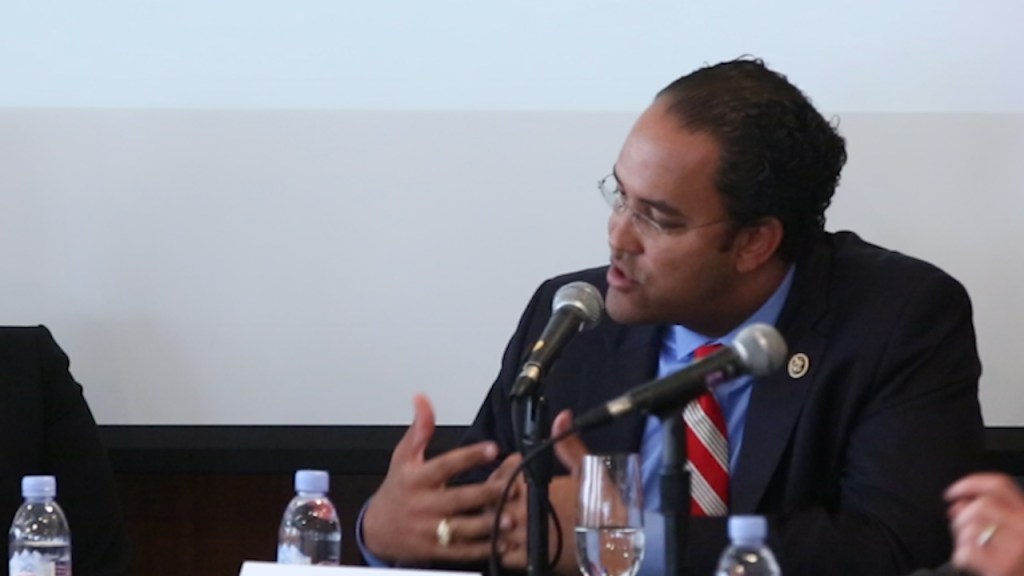
“It’s going to be great going into the conference committee so we can work out those differences,” said Rep. Will Hurd, R-Texas, who chairs the House Oversight Subcommittee on Information Technology. “How information is shared is a part of this puzzle and where it goes and how do you protect people’s civil liberties and how do we make sure that any [personally identifiable information] is stripped out. I think the House bills did a very good job of doing that.”
Lawmakers said they hope to have the final law ready for the president’s signature before the end of the year.
“This is one of the few areas in Washington where it’s not partisan,” Hurd said. “At the end of the day, we can protect our civil liberties and our digital infrastructure at the same time. And we can create a framework in which the federal government is sharing information with the private sector so the private sector can protect itself.”
CYBERCON 2015: Sign up now for CyberCon 2015 to learn how best to protect your agency’s networks