-
Air Force sets ambitious goal to procure next missile warning satellites in five years
Procurement of Next Generation Overhead Persistent Infrared will involve a phase of competitive prototyping.
-
Understanding the players, tactics for a possible war in space
The Secure World Foundation recently released a report on Global Counterspace Capabilities, an open-source assessment of what, exactly, nations can do in space.
-

Army to test new data sharing equipment at upcoming exercise
The Army will be using the upcoming Joint Warfighting Assessment to test a coalition interoperability system.
-
Air Force launches experiment to boost satellite communications
The Air Force sent a package of innovative and secretive satellites to orbit Saturday night.
-

High-cost satellites remain vulnerable to low-cost threats
Satellites are critical for national security. But despite advances in technology, these expensive assets often remain vulnerable to low cost threats.
-
A new target for hackers? Satellites
Government and commercial satellite operators are increasingly the target of hackers, who are looking for inexpensive, but effective ways to limit space capabilities, according to a new report.
-

In the move to multi-domain operations, what gets lost?
As the services debate the future of so-called multi-domain operations, some fear current service-specifics could be at risk in favor of a more joint concept.
-
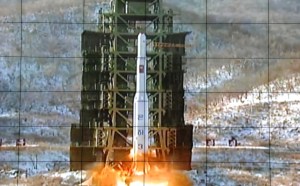
The sneaky ways China and Russia could threaten US satellites
Kinetic attacks in space are still possible, but nations are looking more towards electronic warfare and cyber attacks, a report has concluded.
-

The cost of new GPS programs jumped $930 million last year
DoD’s annual Selected Acquisition Report updates program cost estimates.
-
Why didn’t any nation fire at the falling Chinese space station?
The Tiangong-1 Chinese space station carried the same hydrazine propellant used in a faulty satellite in 2008 that the U.S. cited as the cause to shoot it down.
-
Air Force sets ambitious goal to procure next missile warning satellites in five years
Procurement of Next Generation Overhead Persistent Infrared will involve a phase of competitive prototyping.
-
Understanding the players, tactics for a possible war in space
The Secure World Foundation recently released a report on Global Counterspace Capabilities, an open-source assessment of what, exactly, nations can do in space.
-
Army to test new data sharing equipment at upcoming exercise
The Army will be using the upcoming Joint Warfighting Assessment to test a coalition interoperability system.
-
Air Force launches experiment to boost satellite communications
The Air Force sent a package of innovative and secretive satellites to orbit Saturday night.
-
High-cost satellites remain vulnerable to low-cost threats
Satellites are critical for national security. But despite advances in technology, these expensive assets often remain vulnerable to low cost threats.
-
A new target for hackers? Satellites
Government and commercial satellite operators are increasingly the target of hackers, who are looking for inexpensive, but effective ways to limit space capabilities, according to a new report.
-
In the move to multi-domain operations, what gets lost?
As the services debate the future of so-called multi-domain operations, some fear current service-specifics could be at risk in favor of a more joint concept.
-
The sneaky ways China and Russia could threaten US satellites
Kinetic attacks in space are still possible, but nations are looking more towards electronic warfare and cyber attacks, a report has concluded.
-
The cost of new GPS programs jumped $930 million last year
DoD’s annual Selected Acquisition Report updates program cost estimates.
-
Why didn’t any nation fire at the falling Chinese space station?
The Tiangong-1 Chinese space station carried the same hydrazine propellant used in a faulty satellite in 2008 that the U.S. cited as the cause to shoot it down.
-
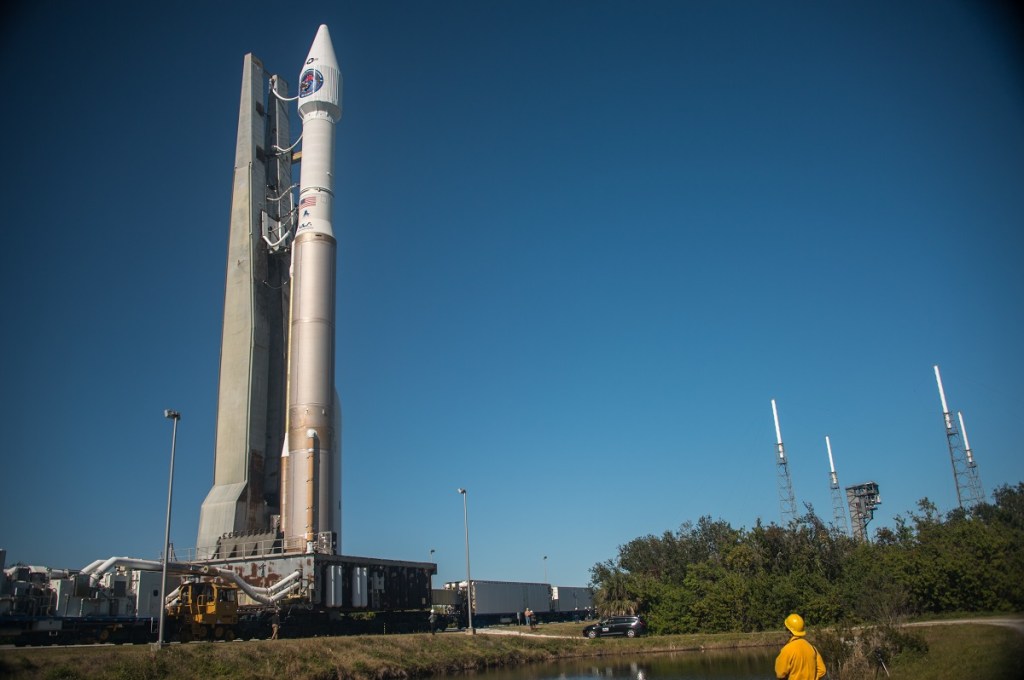
Air Force sets ambitious goal to procure next missile warning satellites in five years
Procurement of Next Generation Overhead Persistent Infrared will involve a phase of competitive prototyping.
-
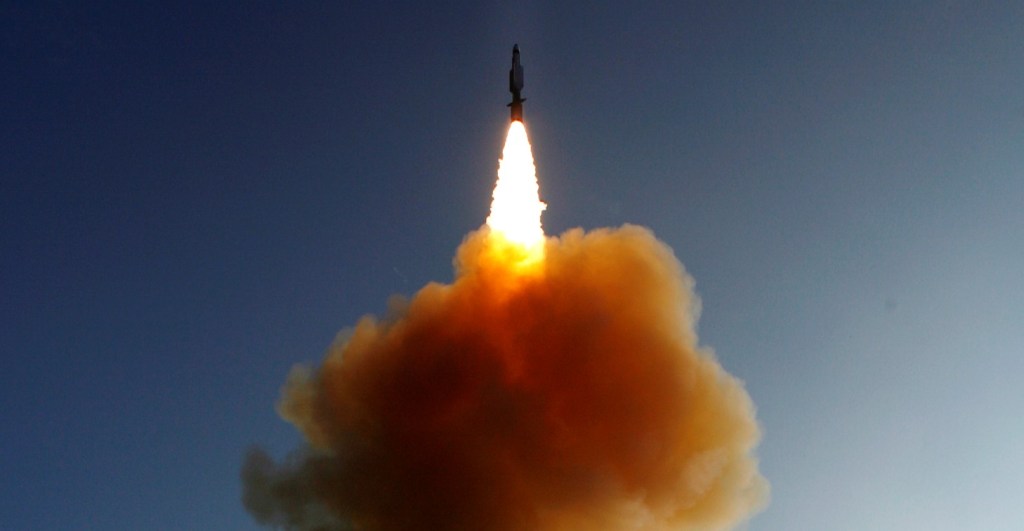
Understanding the players, tactics for a possible war in space
The Secure World Foundation recently released a report on Global Counterspace Capabilities, an open-source assessment of what, exactly, nations can do in space.
-
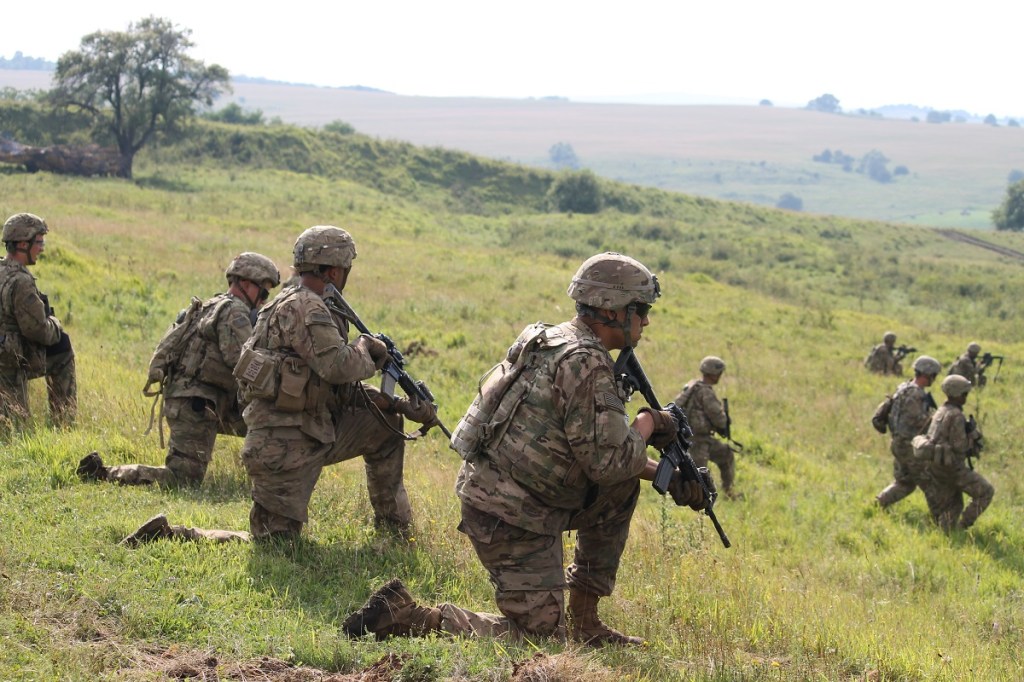
Army to test new data sharing equipment at upcoming exercise
The Army will be using the upcoming Joint Warfighting Assessment to test a coalition interoperability system.
-

Air Force launches experiment to boost satellite communications
The Air Force sent a package of innovative and secretive satellites to orbit Saturday night.
-

High-cost satellites remain vulnerable to low-cost threats
Satellites are critical for national security. But despite advances in technology, these expensive assets often remain vulnerable to low cost threats.
-
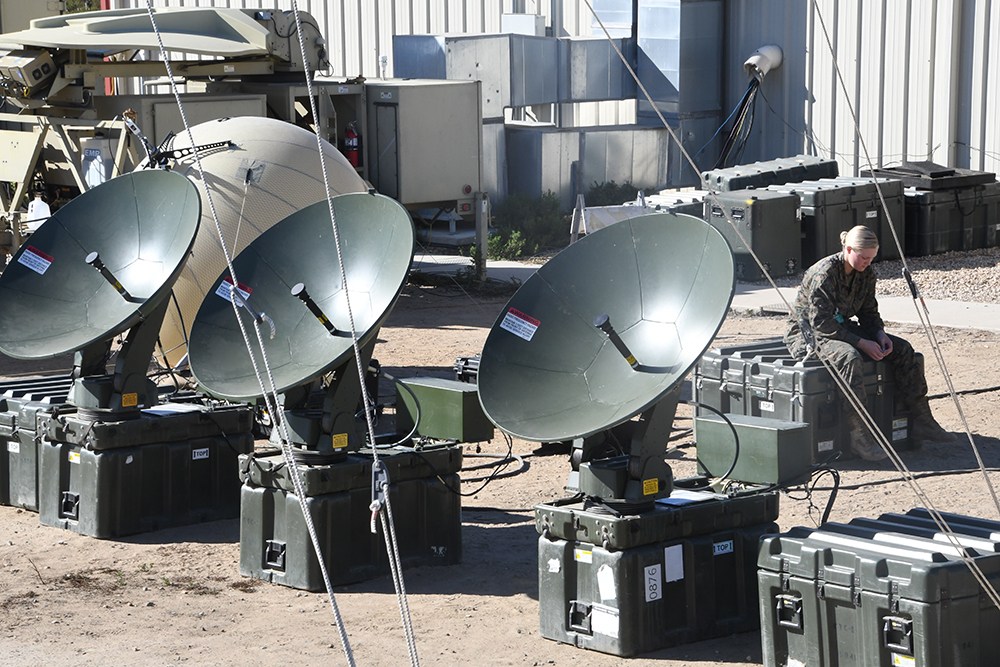
A new target for hackers? Satellites
Government and commercial satellite operators are increasingly the target of hackers, who are looking for inexpensive, but effective ways to limit space capabilities, according to a new report.
-

In the move to multi-domain operations, what gets lost?
As the services debate the future of so-called multi-domain operations, some fear current service-specifics could be at risk in favor of a more joint concept.
-
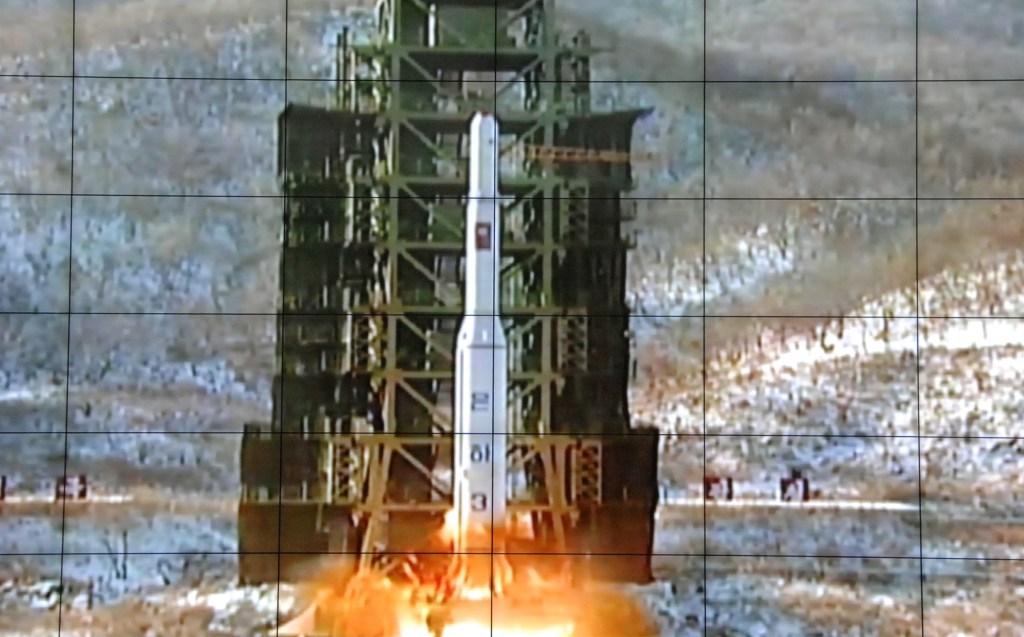
The sneaky ways China and Russia could threaten US satellites
Kinetic attacks in space are still possible, but nations are looking more towards electronic warfare and cyber attacks, a report has concluded.
-

The cost of new GPS programs jumped $930 million last year
DoD’s annual Selected Acquisition Report updates program cost estimates.
-
Why didn’t any nation fire at the falling Chinese space station?
The Tiangong-1 Chinese space station carried the same hydrazine propellant used in a faulty satellite in 2008 that the U.S. cited as the cause to shoot it down.