-
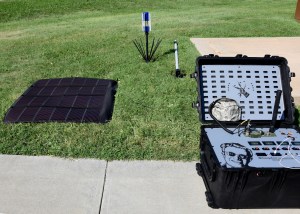
An Air Force radio that can run for a week in the sun
Technicians at McConnell Air Force Base have built a portable, solar-powered communications system that can run for seven days on a full charge.
-

Googlers headline new commission on AI and national security
Guidance for the future of AI in national security will be written mostly by players in the existing AI industry.
-
On the Pentagon’s wish list: warp drives and invisibility cloaks
Newly revealed research from the Defense Intelligence Agency covered a very large array of threats from out of this world.
-

China’s first steps before going to battle
A new report released by the Defense Intelligence Agency explains why the Chinese military could target command and control systems before any conflict begins.
-

The Army wants drones that make their own networks
For the wars of tomorrow, the Army wants drones that can work without runways or satellite communications.
-
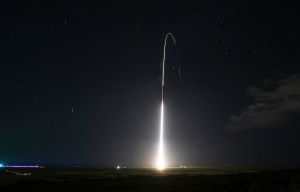
US considers new ways to detect and track enemy missiles
The Trump administration is considering ways to expand U.S. homeland and overseas defenses against a potential missile attack, possibly adding a layer of satellites in space to detect and track hostile targets.
-
This new tool lets Army leaders see the battlefield from anywhere in the world
With this new tool, a commander could “log in” to the battle from across the globe.
-
9 companies will compete for work on the Navy’s giant engineering contract
The Navy awarded a contract for cyber, electronic warfare and information warfare services to nine companies in a deal that could eventually be worth as much as $962 million.
-
Army awards $200M for satellite support contract
The contract supports the service’s wideband satellite operations that provide communication capabilities to U.S. and international forces.
-

The Marines’ new ‘blueprint’ for information capabilities
The Marines are developing a plan to inform capabilities for forces to use in the information environment.
-
An Air Force radio that can run for a week in the sun
Technicians at McConnell Air Force Base have built a portable, solar-powered communications system that can run for seven days on a full charge.
-
Googlers headline new commission on AI and national security
Guidance for the future of AI in national security will be written mostly by players in the existing AI industry.
-
On the Pentagon’s wish list: warp drives and invisibility cloaks
Newly revealed research from the Defense Intelligence Agency covered a very large array of threats from out of this world.
-
China’s first steps before going to battle
A new report released by the Defense Intelligence Agency explains why the Chinese military could target command and control systems before any conflict begins.
-
The Army wants drones that make their own networks
For the wars of tomorrow, the Army wants drones that can work without runways or satellite communications.
-
US considers new ways to detect and track enemy missiles
The Trump administration is considering ways to expand U.S. homeland and overseas defenses against a potential missile attack, possibly adding a layer of satellites in space to detect and track hostile targets.
-
This new tool lets Army leaders see the battlefield from anywhere in the world
With this new tool, a commander could “log in” to the battle from across the globe.
-
9 companies will compete for work on the Navy’s giant engineering contract
The Navy awarded a contract for cyber, electronic warfare and information warfare services to nine companies in a deal that could eventually be worth as much as $962 million.
-
Army awards $200M for satellite support contract
The contract supports the service’s wideband satellite operations that provide communication capabilities to U.S. and international forces.
-
The Marines’ new ‘blueprint’ for information capabilities
The Marines are developing a plan to inform capabilities for forces to use in the information environment.
-
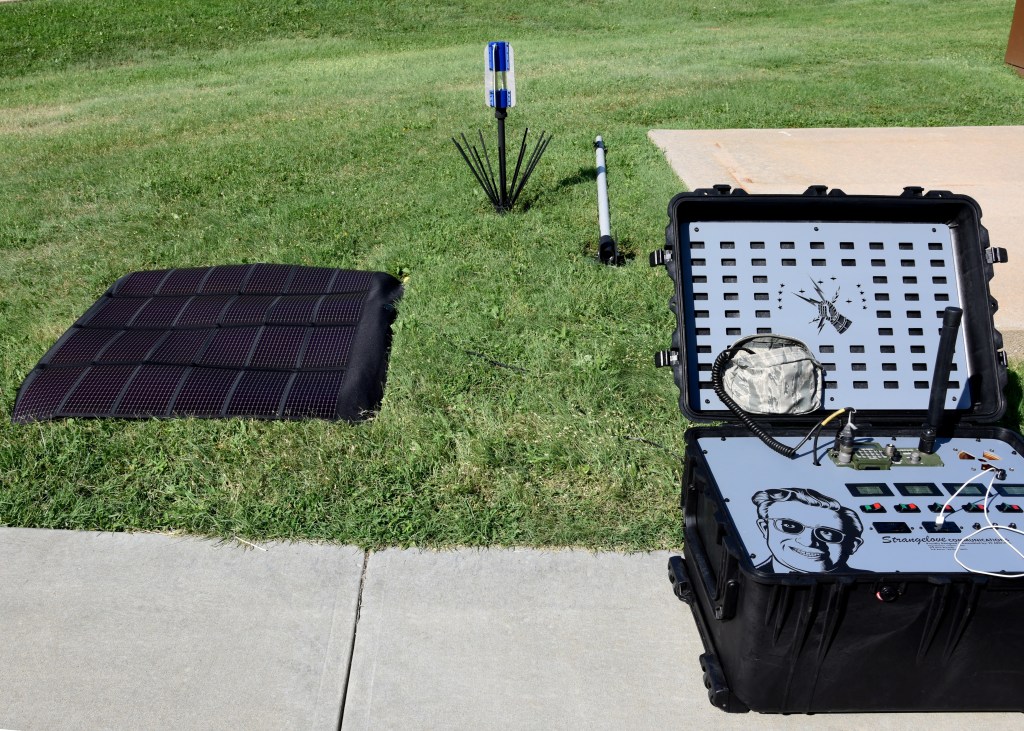
An Air Force radio that can run for a week in the sun
Technicians at McConnell Air Force Base have built a portable, solar-powered communications system that can run for seven days on a full charge.
-

Googlers headline new commission on AI and national security
Guidance for the future of AI in national security will be written mostly by players in the existing AI industry.
-

On the Pentagon’s wish list: warp drives and invisibility cloaks
Newly revealed research from the Defense Intelligence Agency covered a very large array of threats from out of this world.
-

China’s first steps before going to battle
A new report released by the Defense Intelligence Agency explains why the Chinese military could target command and control systems before any conflict begins.
-

The Army wants drones that make their own networks
For the wars of tomorrow, the Army wants drones that can work without runways or satellite communications.
-
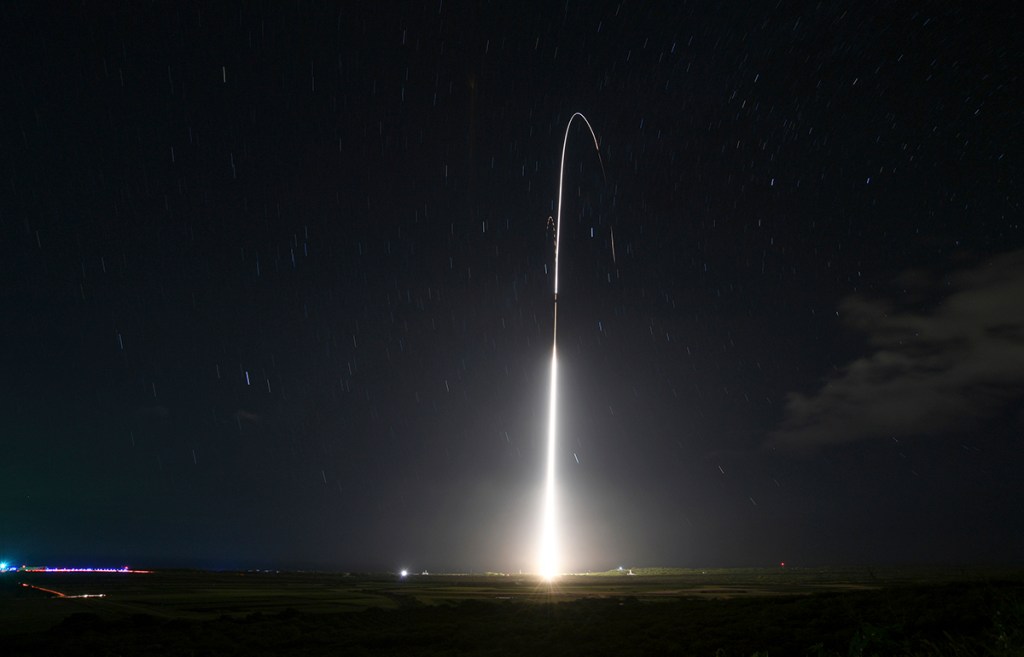
US considers new ways to detect and track enemy missiles
The Trump administration is considering ways to expand U.S. homeland and overseas defenses against a potential missile attack, possibly adding a layer of satellites in space to detect and track hostile targets.
-
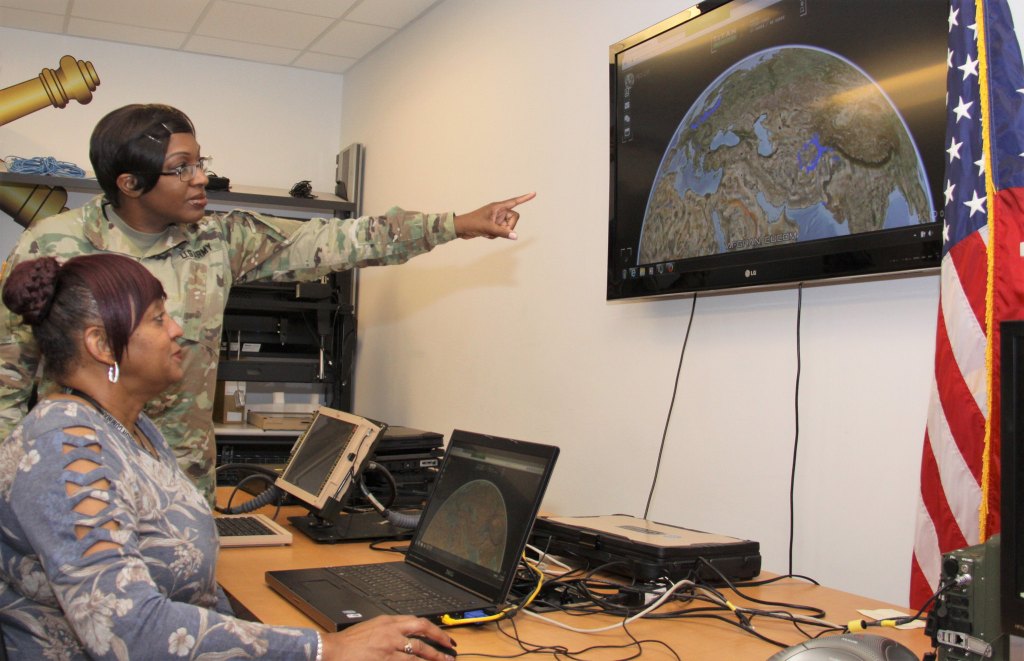
This new tool lets Army leaders see the battlefield from anywhere in the world
With this new tool, a commander could “log in” to the battle from across the globe.
-
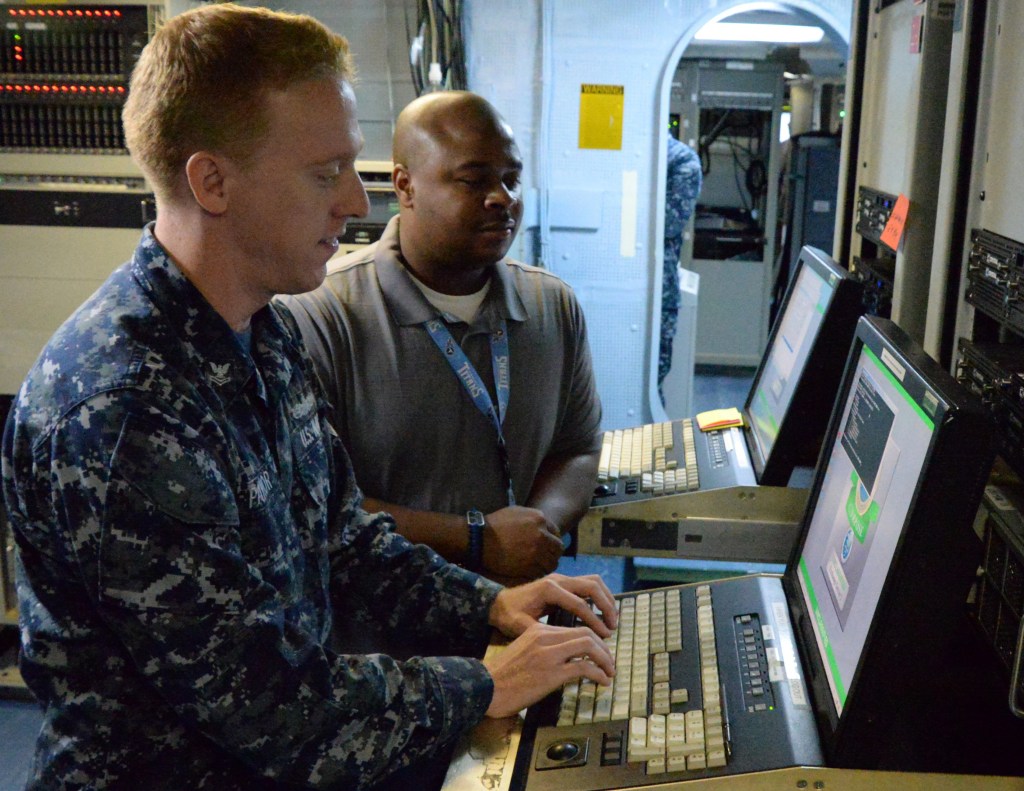
9 companies will compete for work on the Navy’s giant engineering contract
The Navy awarded a contract for cyber, electronic warfare and information warfare services to nine companies in a deal that could eventually be worth as much as $962 million.
-
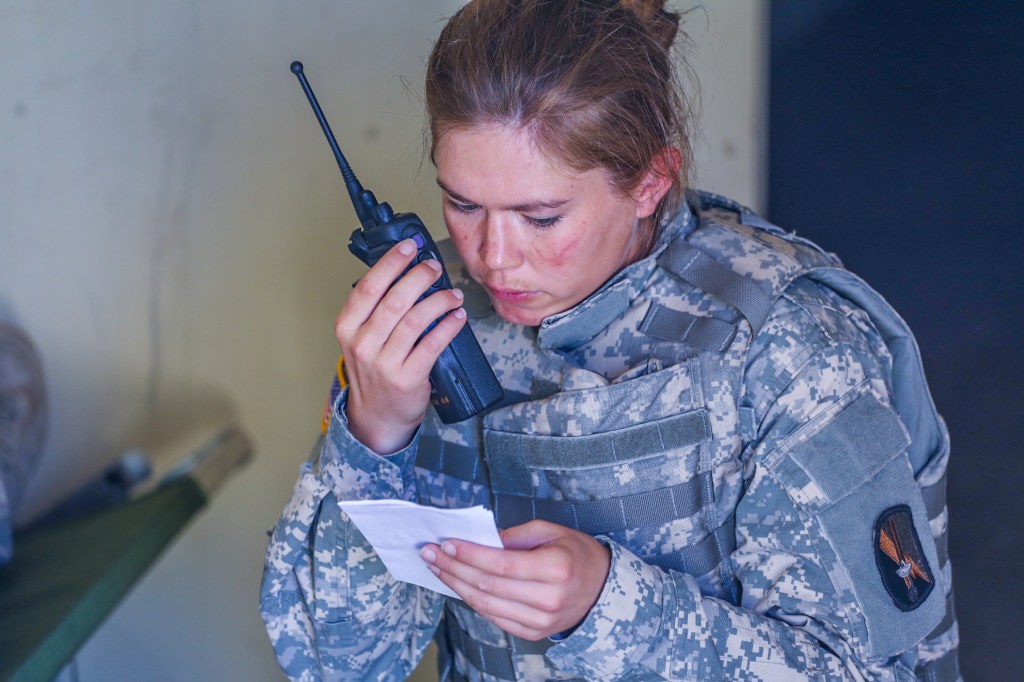
Army awards $200M for satellite support contract
The contract supports the service’s wideband satellite operations that provide communication capabilities to U.S. and international forces.
-

The Marines’ new ‘blueprint’ for information capabilities
The Marines are developing a plan to inform capabilities for forces to use in the information environment.