-

The challenge (and benefit) to a more open intelligence community
Principal Deputy Director of National Intelligence Sue Gordon says that as foreign powers increasingly target the private sector and general public, the intelligence community needs to be more open and share more information publicly. That could be a net positive for business relations.
-

4 almost invisible threats to keep US intel officials on edge
Defense Intelligence Agency Director Lt. Gen. Robert Ashley explains some of the major emerging technologies the agency is concerned about.
-
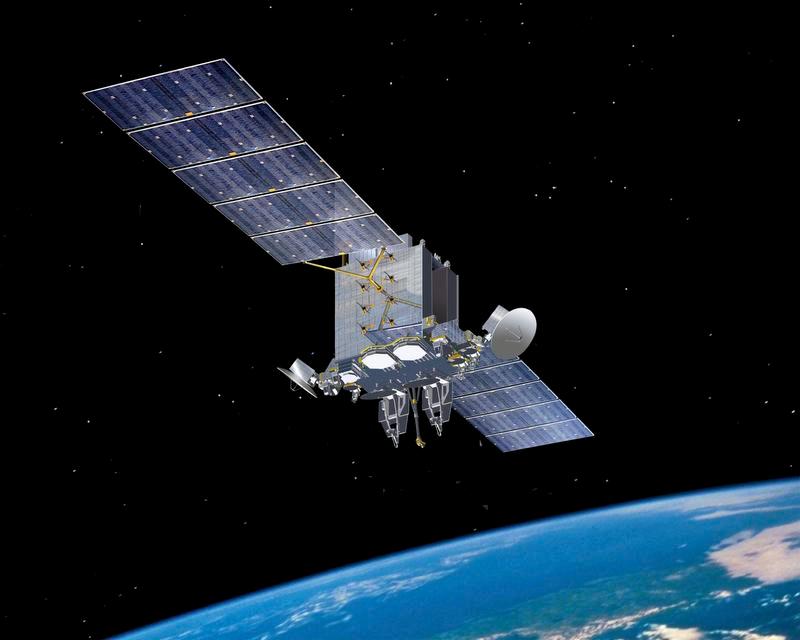
Air Force sticks with familiar face for support
Amidst restructuring of its space-related organizations and the seemingly imminent establishment of the Space Force, the Air Force has awarded a $562 million, seven and a half year contract for MILSATCOM support.
-
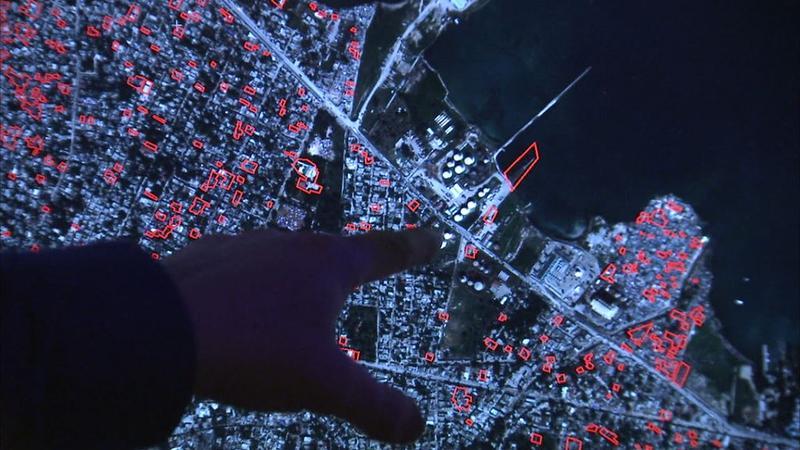
Congress to NGA: Hurry up and adopt more automation
The House of Representatives has inserted several provisions in the Intelligence Authorization Act to help speed up the National Geospatial-Intelligence Agency’s adoption of image processing technology.
-
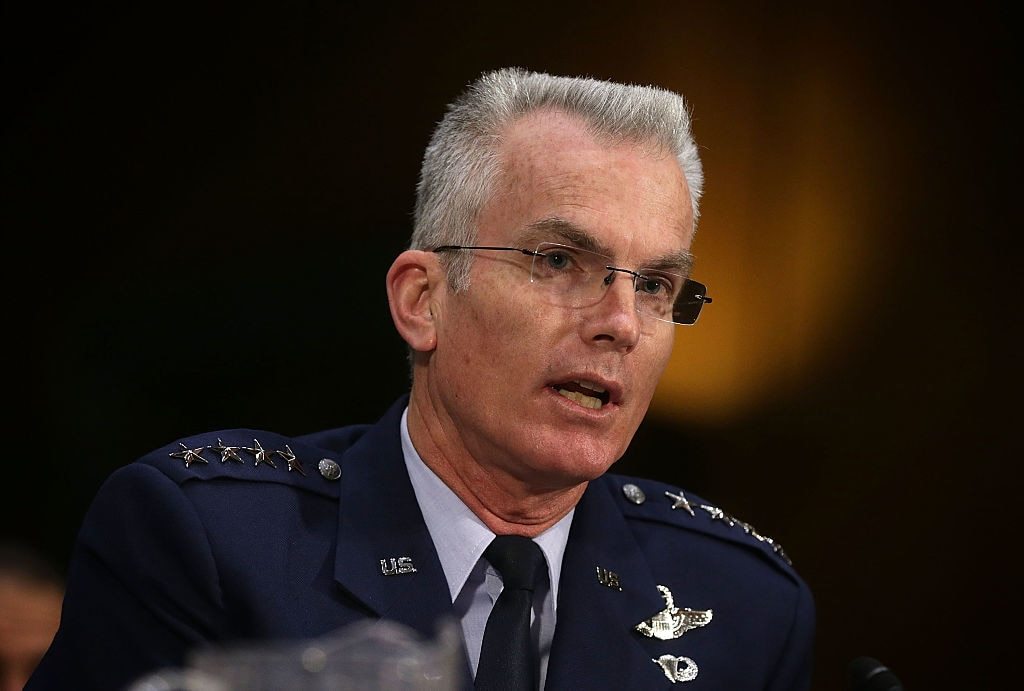
Are LEO satellites approaching a breaking point for the Pentagon?
The Space Development Agency could take advantage of commercial broadband constellations enabled by falling satellite costs.
-
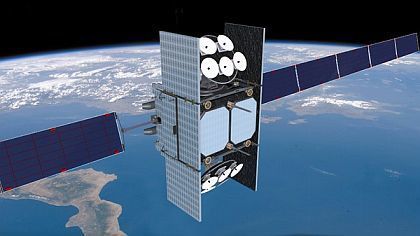
Air Force satellite communications get more resilient signal
The latest addition to the Wideband Global SATCOM system will provide increased resilience and a stronger signal for war fighters.
-
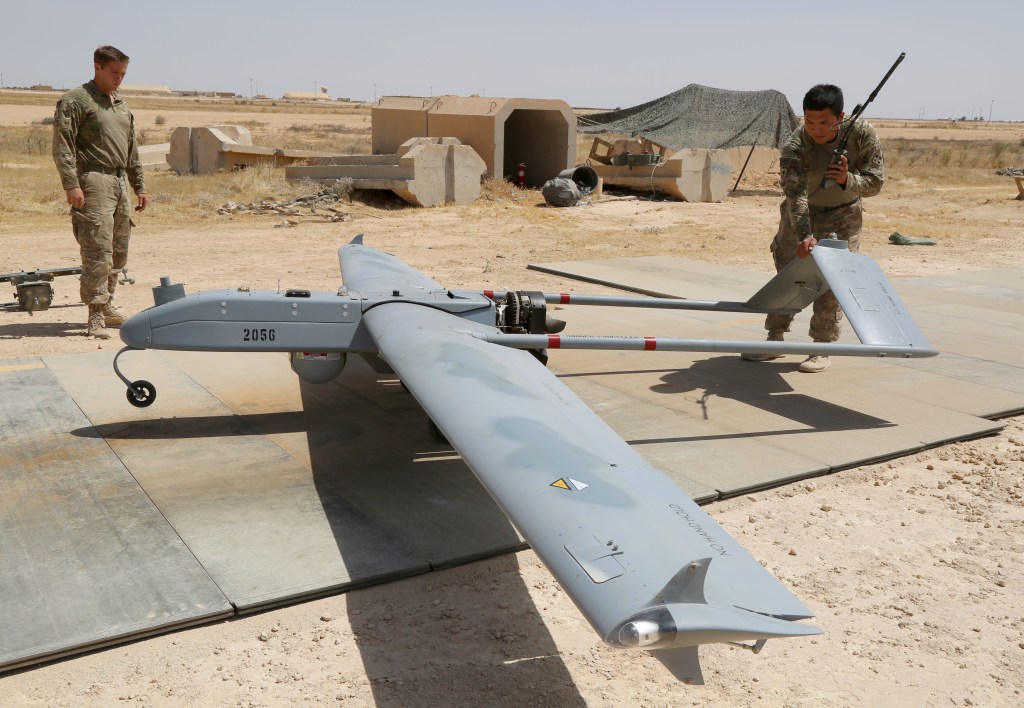
Pentagon redirects $282M to close ISR gaps
The Department of Defense is using reprogramming actions to transfer hundreds of millions of dollars to intelligence, surveillance and reconnaissance programs.
-

A key to the success of Space Force
Experts shared what the intelligence community and Space Force must achieve to assure efficiency.
-

Intel officials warn of China’s growing threat to American tech secrets
While concerns over Huawei’s involvement in 5G get a lot of attention, intelligence officials warn that China’s efforts to steal American intellectual property go much farther, encompassing artificial intelligence, agriculture and more.
-
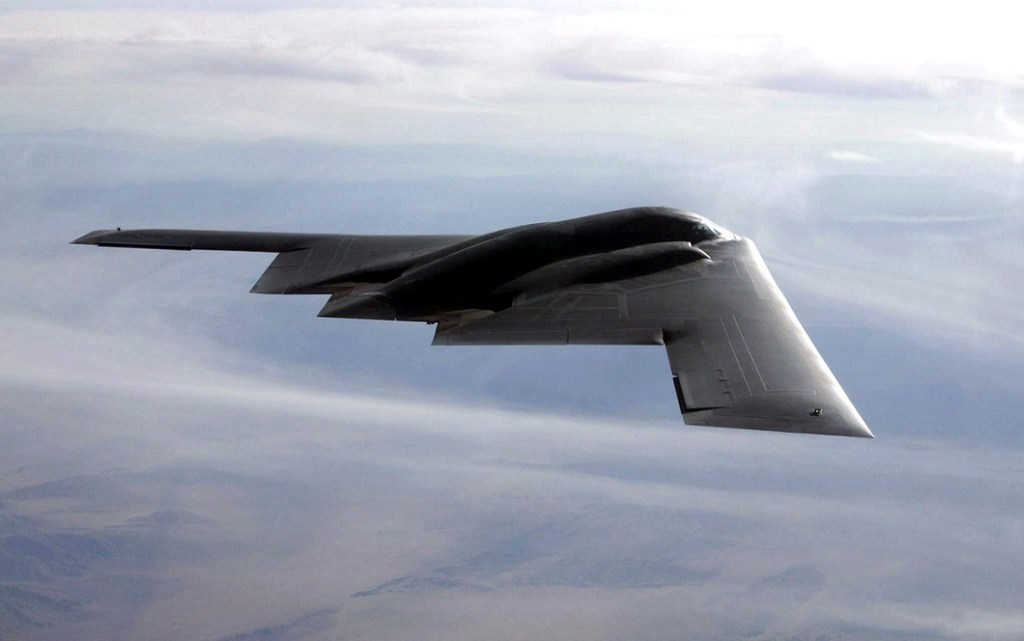
Can commercial satellites revolutionize nuclear command and control?
According to one Air Force official, commercial satellite capabilities could increase the survivability of nuclear command and controls, while also providing a cheaper alternative to military-owned satellites.
-
The challenge (and benefit) to a more open intelligence community
Principal Deputy Director of National Intelligence Sue Gordon says that as foreign powers increasingly target the private sector and general public, the intelligence community needs to be more open and share more information publicly. That could be a net positive for business relations.
-
4 almost invisible threats to keep US intel officials on edge
Defense Intelligence Agency Director Lt. Gen. Robert Ashley explains some of the major emerging technologies the agency is concerned about.
-
Air Force sticks with familiar face for support
Amidst restructuring of its space-related organizations and the seemingly imminent establishment of the Space Force, the Air Force has awarded a $562 million, seven and a half year contract for MILSATCOM support.
-
Congress to NGA: Hurry up and adopt more automation
The House of Representatives has inserted several provisions in the Intelligence Authorization Act to help speed up the National Geospatial-Intelligence Agency’s adoption of image processing technology.
-
Are LEO satellites approaching a breaking point for the Pentagon?
The Space Development Agency could take advantage of commercial broadband constellations enabled by falling satellite costs.
-
Air Force satellite communications get more resilient signal
The latest addition to the Wideband Global SATCOM system will provide increased resilience and a stronger signal for war fighters.
-
Pentagon redirects $282M to close ISR gaps
The Department of Defense is using reprogramming actions to transfer hundreds of millions of dollars to intelligence, surveillance and reconnaissance programs.
-
A key to the success of Space Force
Experts shared what the intelligence community and Space Force must achieve to assure efficiency.
-
Intel officials warn of China’s growing threat to American tech secrets
While concerns over Huawei’s involvement in 5G get a lot of attention, intelligence officials warn that China’s efforts to steal American intellectual property go much farther, encompassing artificial intelligence, agriculture and more.
-
Can commercial satellites revolutionize nuclear command and control?
According to one Air Force official, commercial satellite capabilities could increase the survivability of nuclear command and controls, while also providing a cheaper alternative to military-owned satellites.