-

How will the Air Force get the weather data it needs from space?
The Air Force is ditching its plans for a free flyer space vehicle for weather data and has submitted an informal plan to move to a proliferated low earth orbit constellation.
-
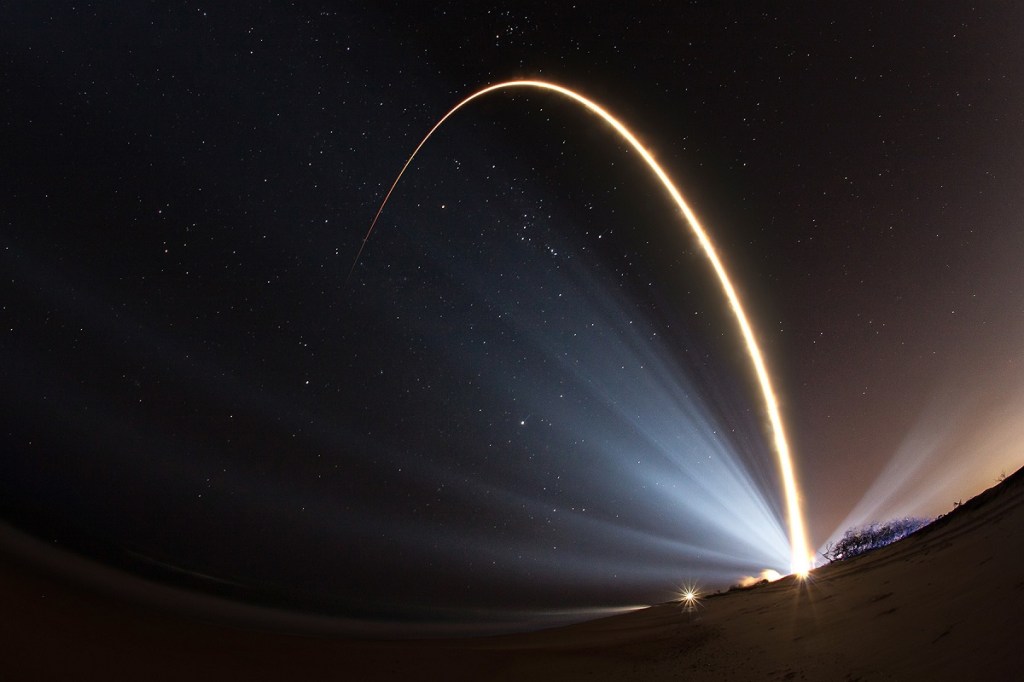
A new orbit for some of the Pentagon’s missile warning satellites
Space and Missile Systems Center leaders said they wanted a hybrid architecture for Next Gen OPIR, with satellites in geosynchronous and low earth orbits.
-
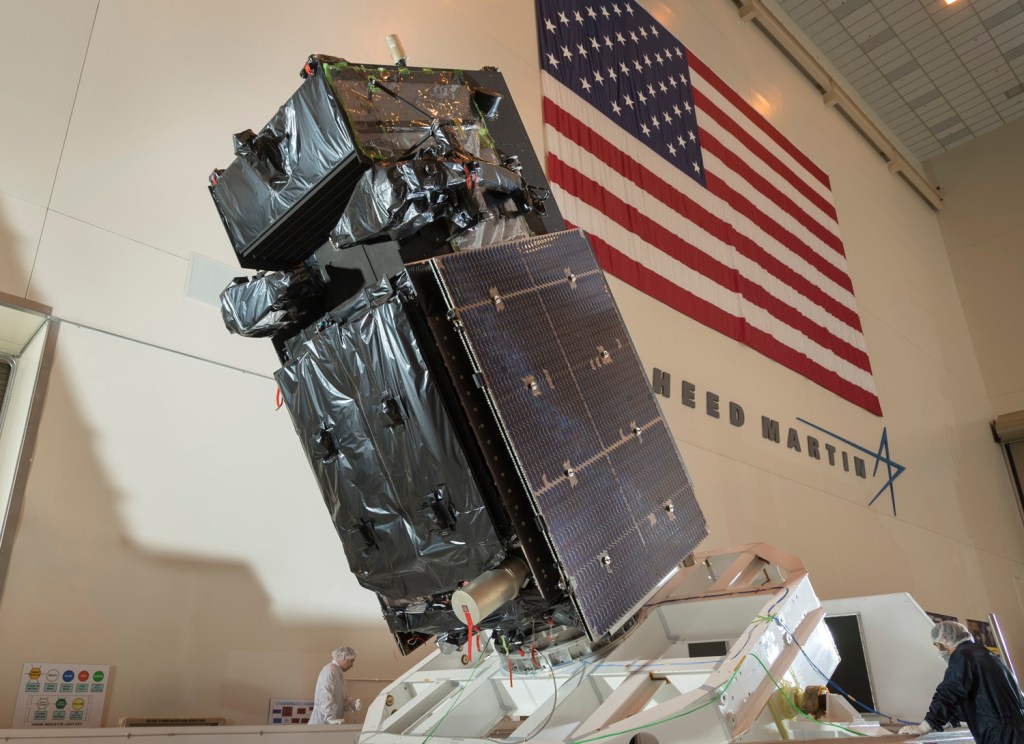
Should the Air Force spend even more on missile warning satellites?
The Senate Appropriations Committee wants to bring funding for a next-generation early warning missile defense satellite to almost $2 billion.
-
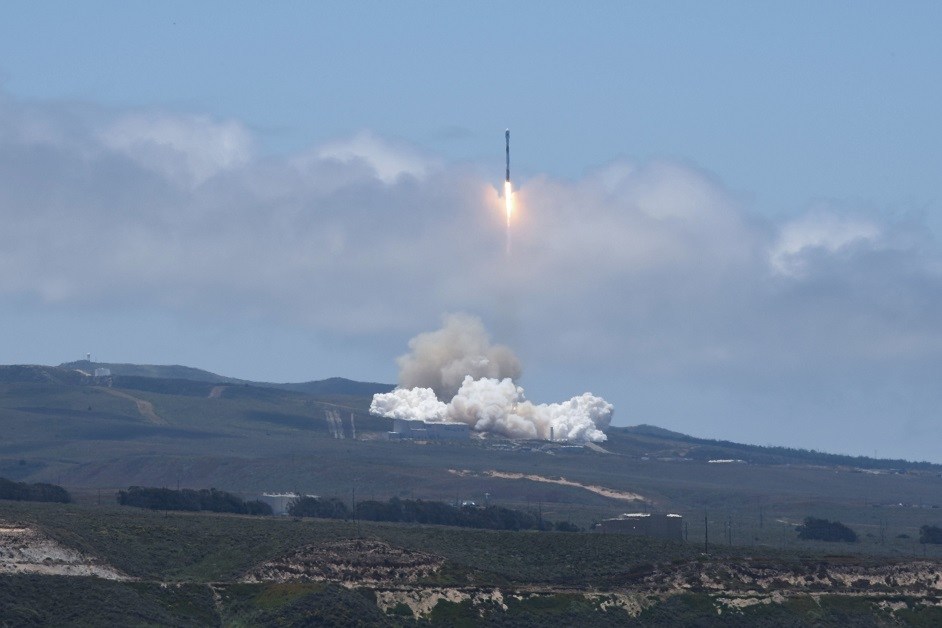
Air Force awards Iridium $738M deal for satellite services
Iridium Communications said it received a $738.5 million, seven-year contract for unlimited satellite services through Air Force Space Command.
-
NRO and US Space Command test out new relationship
A recent exercise allowed the National Reconnaissance Office and US Space Command to test out a new agreement for defending the nation’s spy satellites during a conflict in space.
-
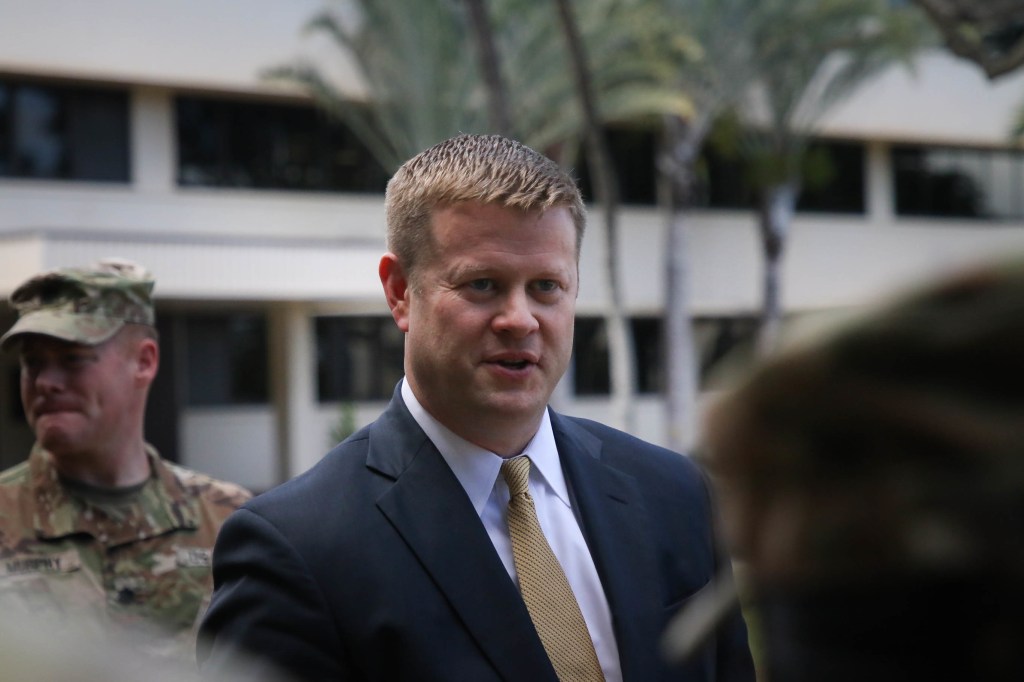
Army nominee says people are the key to improving cyber
Improving recruitment and training is essential to improving the Army’s cyber capabilities, said Ryan McCarthy, the White House nominee for Army secretary.
-

Air Force nominee lays out her approach to space
Air Force secretary nominee Barbara Barrett told senators the U.S. “must be prepared to defend critical space assets, increase the resilience of our space enterprise, and be prepared to fight and win should deterrence fail.”
-
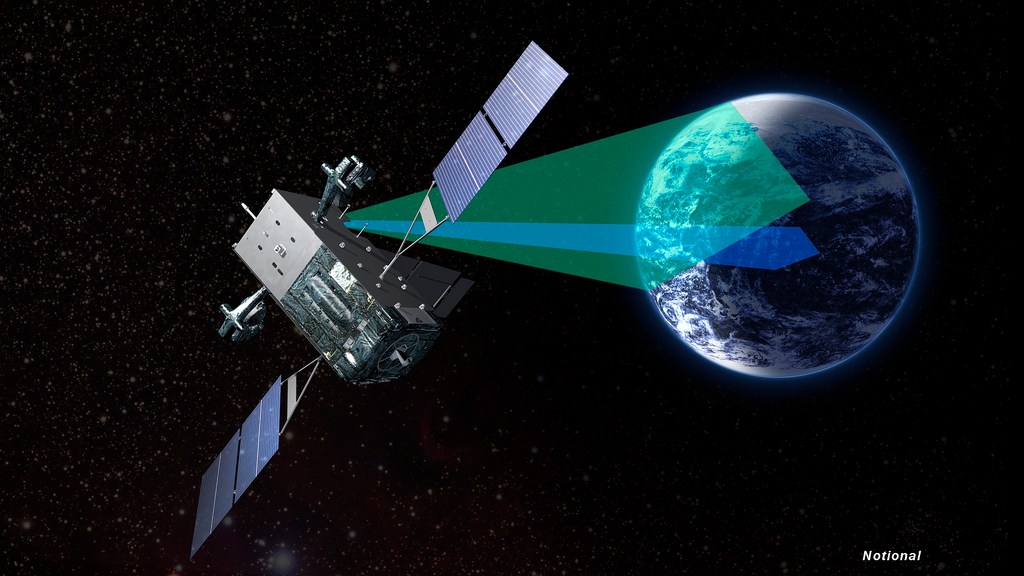
Senate bill includes $1B in new money for hypersonics
A spending bill making its way through the Senate includes at least $1 billion more for hypersonics and hypersonics defense than what the Pentagon requested in March.
-

The 3 major security threats to AI
Despite all the money being poured into developing artificial intelligence, less than one percent addresses these vulnerabilities, according to Jason Matheny, founding director of the Center for Security and Emerging Technology.
-
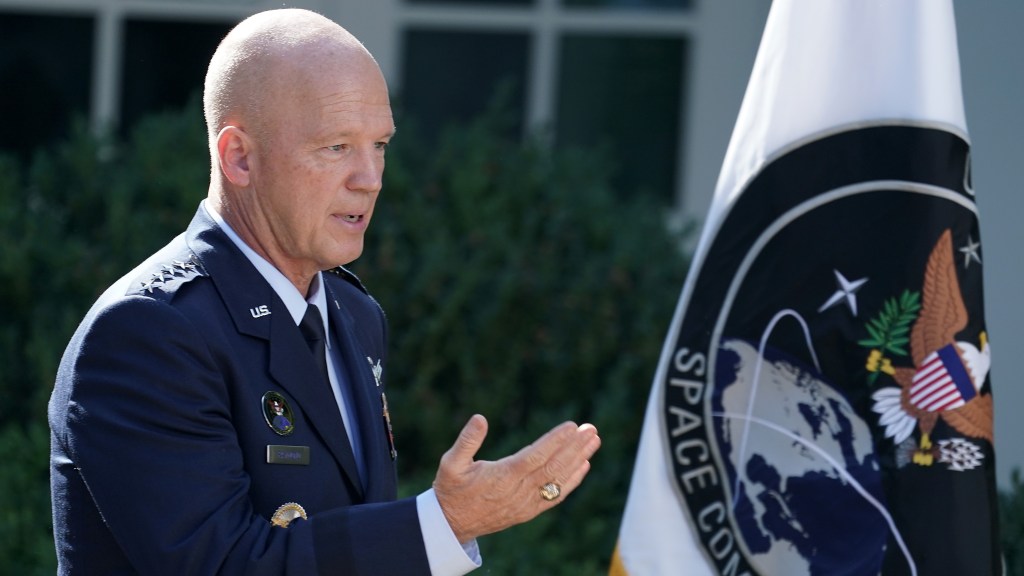
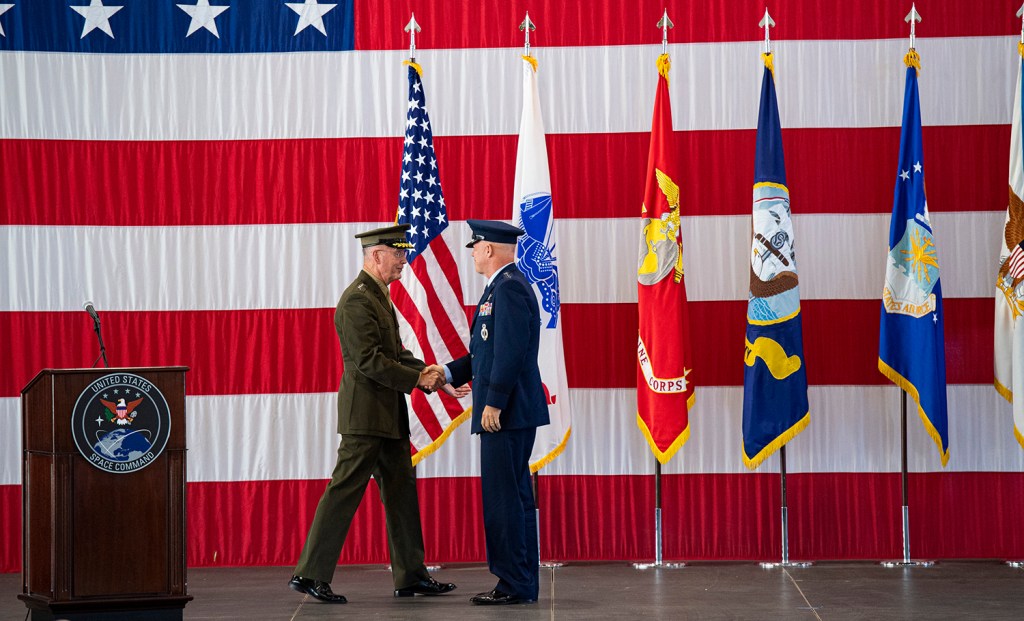
The new head of US Space Command wants to focus here
U.S. Space Command, which was officially reestablished Aug. 29, will focus on these four distinct areas as it begins operations.
-
How will the Air Force get the weather data it needs from space?
The Air Force is ditching its plans for a free flyer space vehicle for weather data and has submitted an informal plan to move to a proliferated low earth orbit constellation.
-
A new orbit for some of the Pentagon’s missile warning satellites
Space and Missile Systems Center leaders said they wanted a hybrid architecture for Next Gen OPIR, with satellites in geosynchronous and low earth orbits.
-
Should the Air Force spend even more on missile warning satellites?
The Senate Appropriations Committee wants to bring funding for a next-generation early warning missile defense satellite to almost $2 billion.
-
Air Force awards Iridium $738M deal for satellite services
Iridium Communications said it received a $738.5 million, seven-year contract for unlimited satellite services through Air Force Space Command.
-
NRO and US Space Command test out new relationship
A recent exercise allowed the National Reconnaissance Office and US Space Command to test out a new agreement for defending the nation’s spy satellites during a conflict in space.
-
Army nominee says people are the key to improving cyber
Improving recruitment and training is essential to improving the Army’s cyber capabilities, said Ryan McCarthy, the White House nominee for Army secretary.
-
Air Force nominee lays out her approach to space
Air Force secretary nominee Barbara Barrett told senators the U.S. “must be prepared to defend critical space assets, increase the resilience of our space enterprise, and be prepared to fight and win should deterrence fail.”
-
Senate bill includes $1B in new money for hypersonics
A spending bill making its way through the Senate includes at least $1 billion more for hypersonics and hypersonics defense than what the Pentagon requested in March.
-
The 3 major security threats to AI
Despite all the money being poured into developing artificial intelligence, less than one percent addresses these vulnerabilities, according to Jason Matheny, founding director of the Center for Security and Emerging Technology.
-
The new head of US Space Command wants to focus here
U.S. Space Command, which was officially reestablished Aug. 29, will focus on these four distinct areas as it begins operations.