-
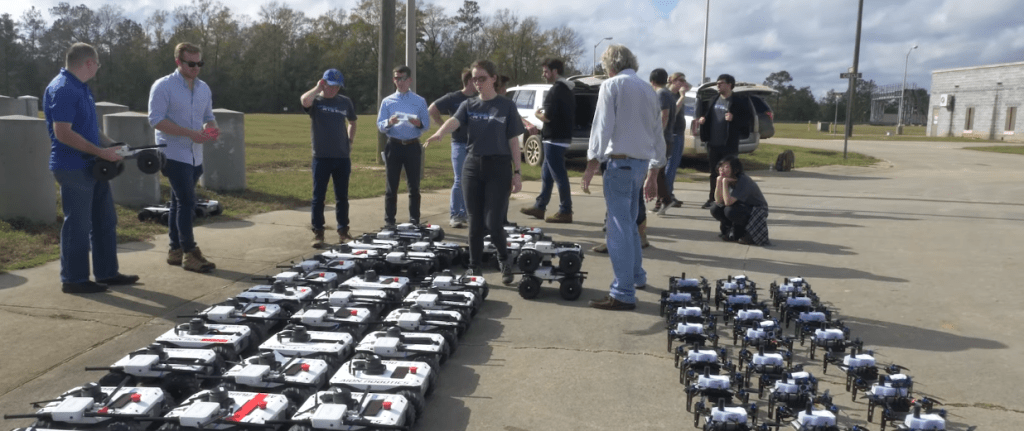
DARPA awards nine new contracts to foster drone swarm technology
Through OFFSET, the agency hopes to foster technology developments that will enable 250 small unmanned air or ground robots to work together in support of the war fighter.
-
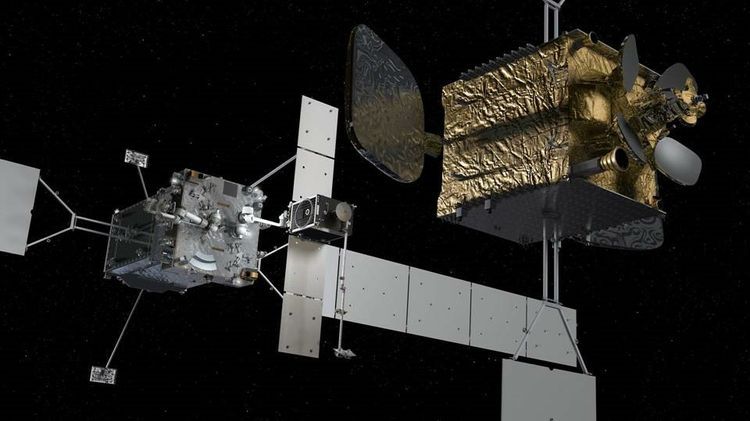
Intelsat satellite returns to service after first commercial life extension mission
SpaceLogistics says that its initial success docking with an Intelsat satellite and returning it to service is drawing more interest in its growing satellite servicing offerings, including multiple military customers.
-

Russia conducted anti-satellite missile test, says US Space Command
The head of U.S. Space Command, Gen. John “Jay” Raymond, said an April 15 test shows that “the threats to U.S. and allied space systems are real, serious and growing.”
-
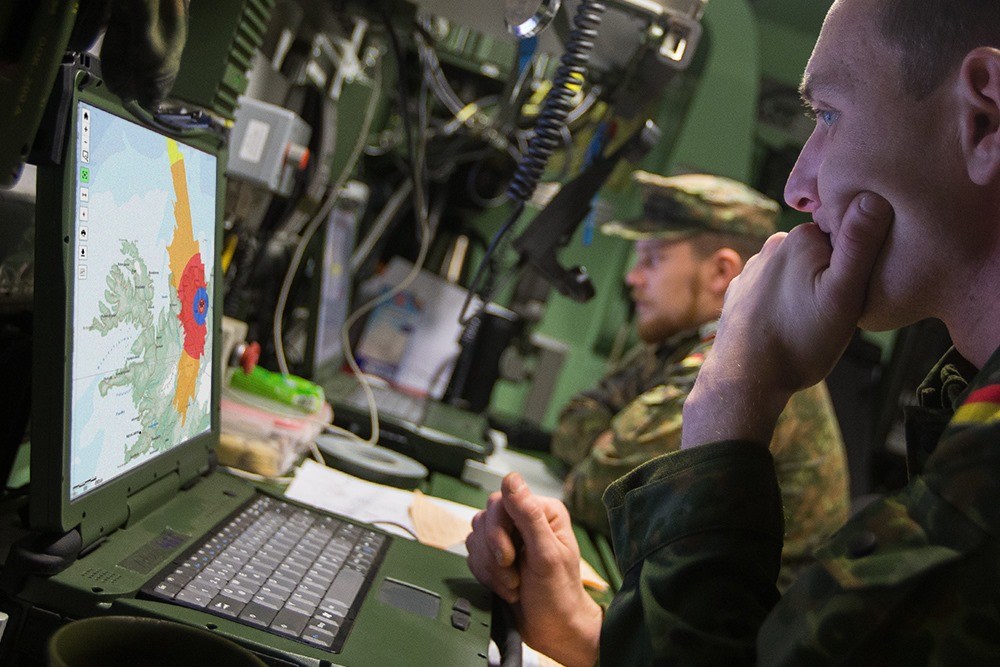
NATO’s new tool shows the impact of GPS jammers
The software can show what areas would be affected by a GPS jammer on a map, helping commanders understand the impact of those devices on operations.
-
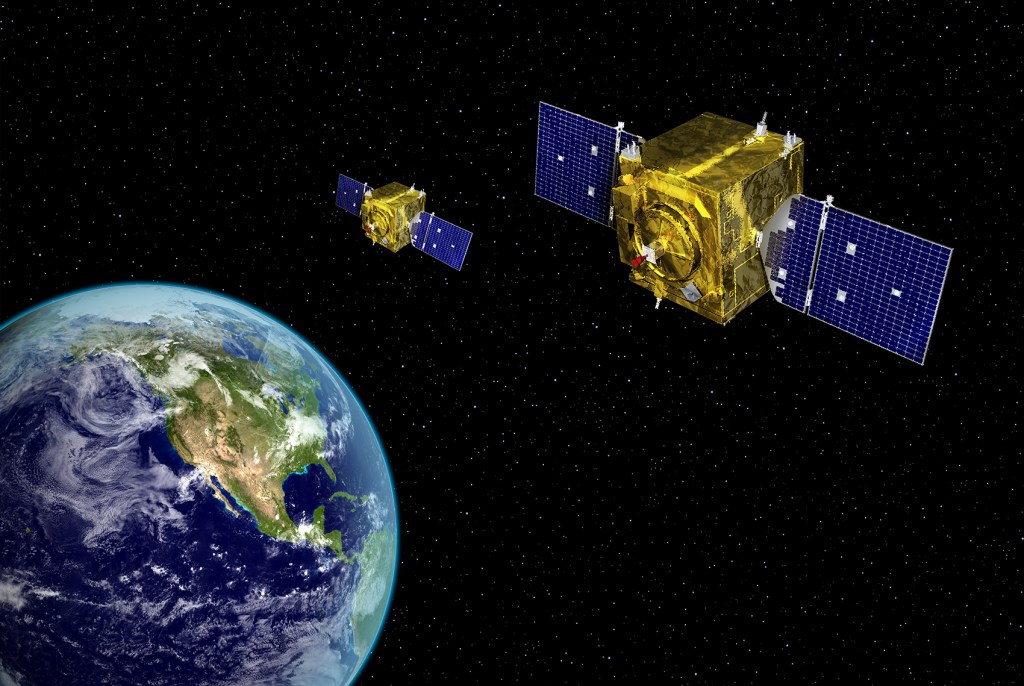
The Pentagon is looking for a quantum space sensor
A quantum space sensor could provide essential location data for space vehicles operating beyond the reaches of GPS.
-
Space Command sticks with LinQuest for support
A new one-year contract will ensure the company that helped stand up U.S. Space Command last year will continue to help it develop.
-

Space Force picks launch provider for 44 technology demonstration satellites
This is the first task order under Orbital Services Program-4, an effort to utilize the growing commercial small launch market to launch America’s small satellites.
-
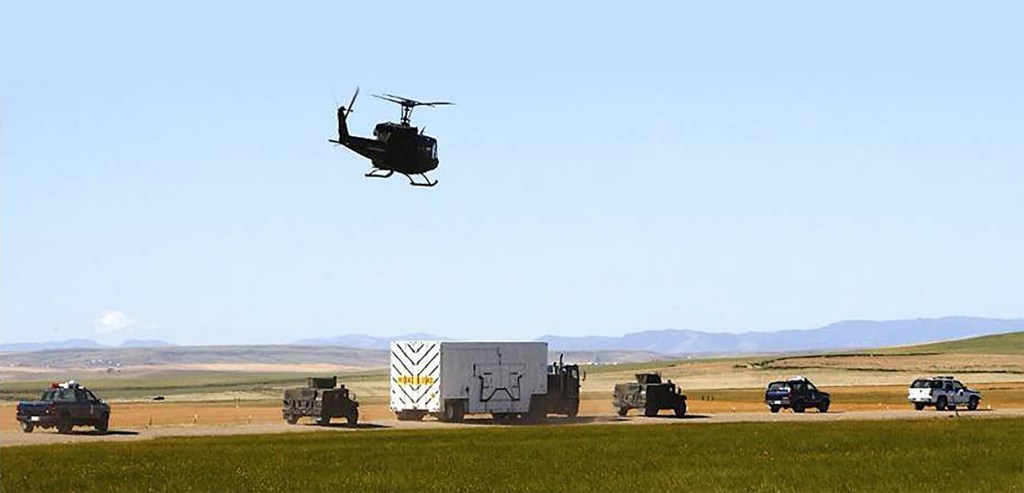
This upgrade will help Air Force convoys communicate while on the move
The Air Force will spend $25 million on new hardware for its WaRTAK program, which provides multidomain communications and a situational awareness system in one package.
-
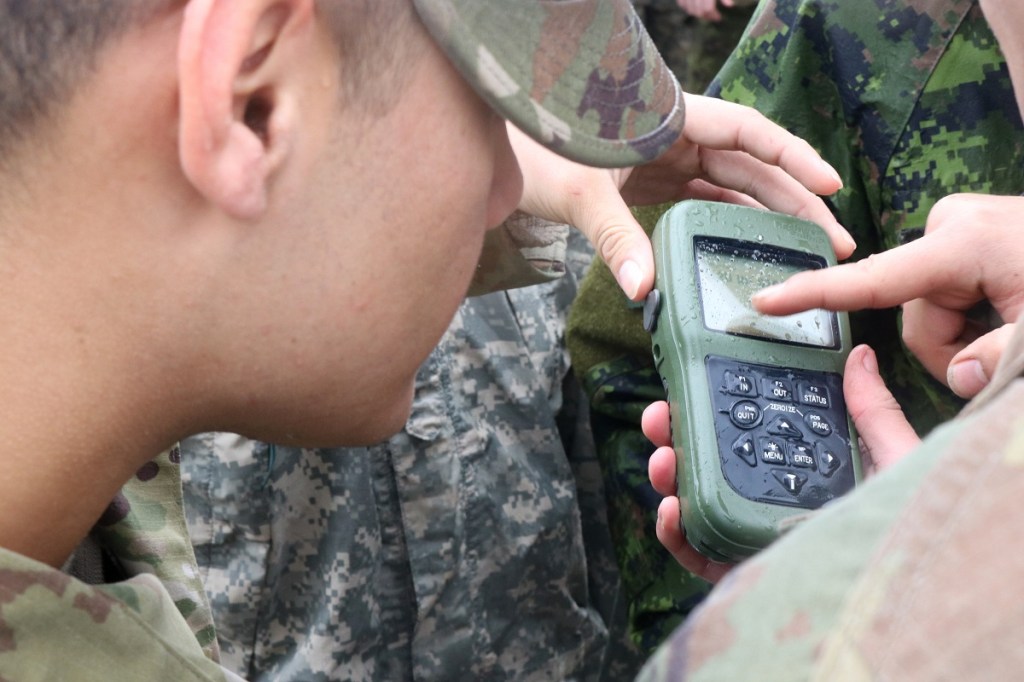
Is your GPS equipment vulnerable to spoofing? The government wants to test it.
As the threat posed by GPS spoofing grows, the U.S. government is keen to make GPS-reliant equipment more resilient.
-
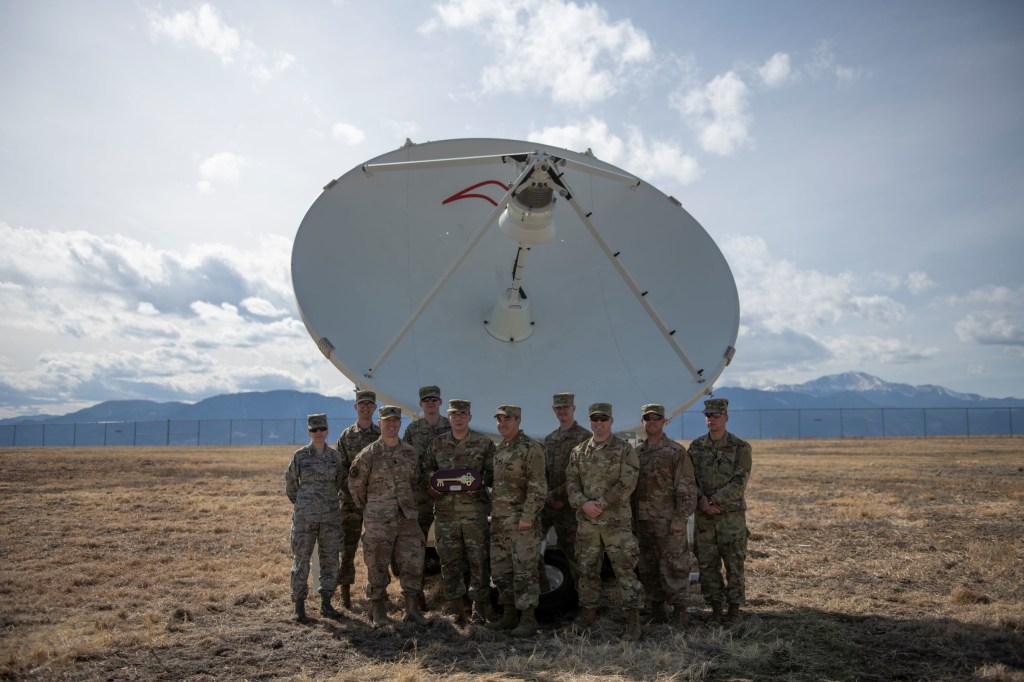
This is what the Space Force will use to jam enemy satellites
Little is known about the Space Force’s first offensive weapon, but the next-generation variant is already in development and is expected to be smaller and more capable.
-
DARPA awards nine new contracts to foster drone swarm technology
Through OFFSET, the agency hopes to foster technology developments that will enable 250 small unmanned air or ground robots to work together in support of the war fighter.
-
Intelsat satellite returns to service after first commercial life extension mission
SpaceLogistics says that its initial success docking with an Intelsat satellite and returning it to service is drawing more interest in its growing satellite servicing offerings, including multiple military customers.
-
Russia conducted anti-satellite missile test, says US Space Command
The head of U.S. Space Command, Gen. John “Jay” Raymond, said an April 15 test shows that “the threats to U.S. and allied space systems are real, serious and growing.”
-
NATO’s new tool shows the impact of GPS jammers
The software can show what areas would be affected by a GPS jammer on a map, helping commanders understand the impact of those devices on operations.
-
The Pentagon is looking for a quantum space sensor
A quantum space sensor could provide essential location data for space vehicles operating beyond the reaches of GPS.
-
Space Command sticks with LinQuest for support
A new one-year contract will ensure the company that helped stand up U.S. Space Command last year will continue to help it develop.
-
Space Force picks launch provider for 44 technology demonstration satellites
This is the first task order under Orbital Services Program-4, an effort to utilize the growing commercial small launch market to launch America’s small satellites.
-
This upgrade will help Air Force convoys communicate while on the move
The Air Force will spend $25 million on new hardware for its WaRTAK program, which provides multidomain communications and a situational awareness system in one package.
-
Is your GPS equipment vulnerable to spoofing? The government wants to test it.
As the threat posed by GPS spoofing grows, the U.S. government is keen to make GPS-reliant equipment more resilient.
-
This is what the Space Force will use to jam enemy satellites
Little is known about the Space Force’s first offensive weapon, but the next-generation variant is already in development and is expected to be smaller and more capable.