-
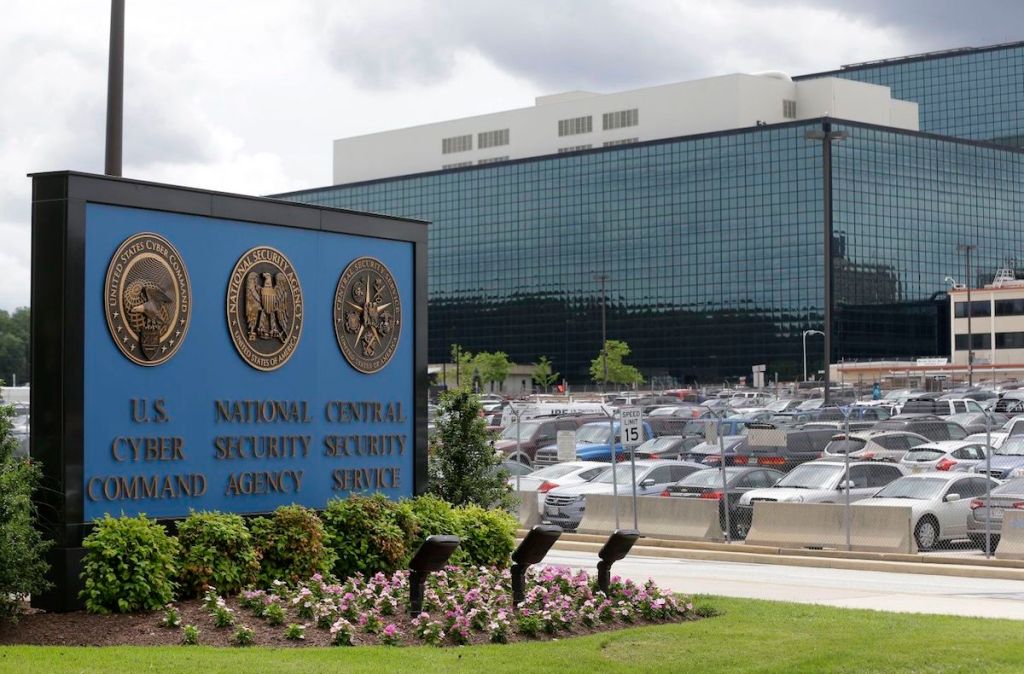
Is Cyber Command really being more ‘aggressive’ in cyberspace?
Some inside and outside government are careful to couch new cyber authorities as offensive in nature, saying they allow greater flexibility in defense.
-

In era of ‘defend forward,’ what does success look like?
U.S. Cyber Command’s new operating philosophy of “defend forward” has helped clarify how the Department of Defense can protect the United States from cyberattacks, a Pentagon official said April 23.
-
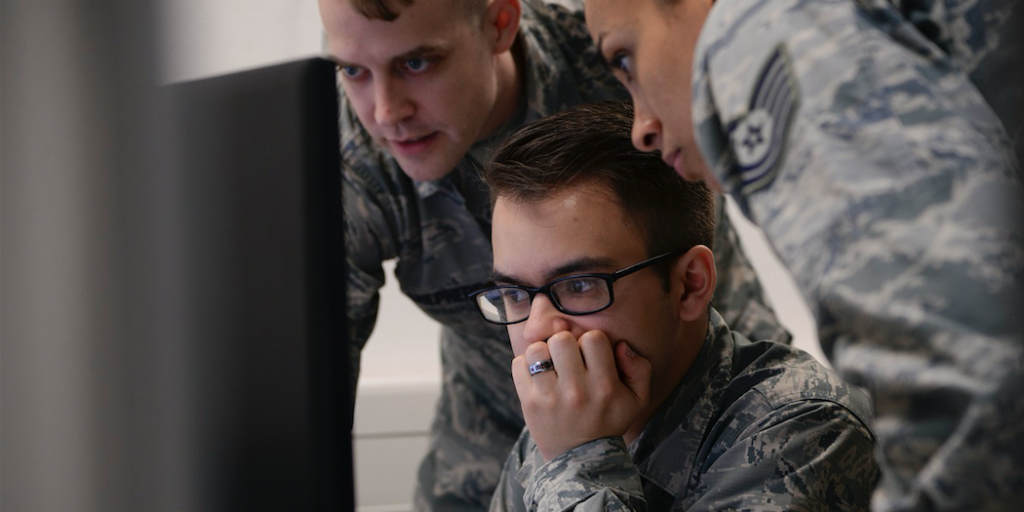
Cyberwarriors get first look at critical new tools
The U.S. Air Force delivered to U.S. Cyber Command the first iteration of Unified Platform, a new cyber platform that will give teams important tools and help with coordination.
-
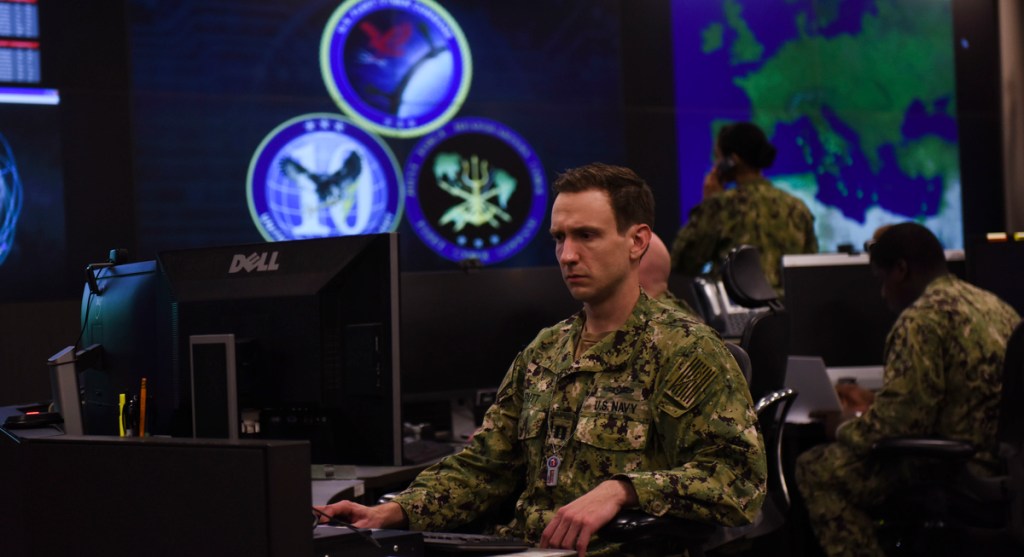
How the Navy is changing its thinking on information warfare
Vice Adm. Matthew Kohler, the Navy’s top information warfare officer, reveals how the service is shifting as the battlefield evolves.
-
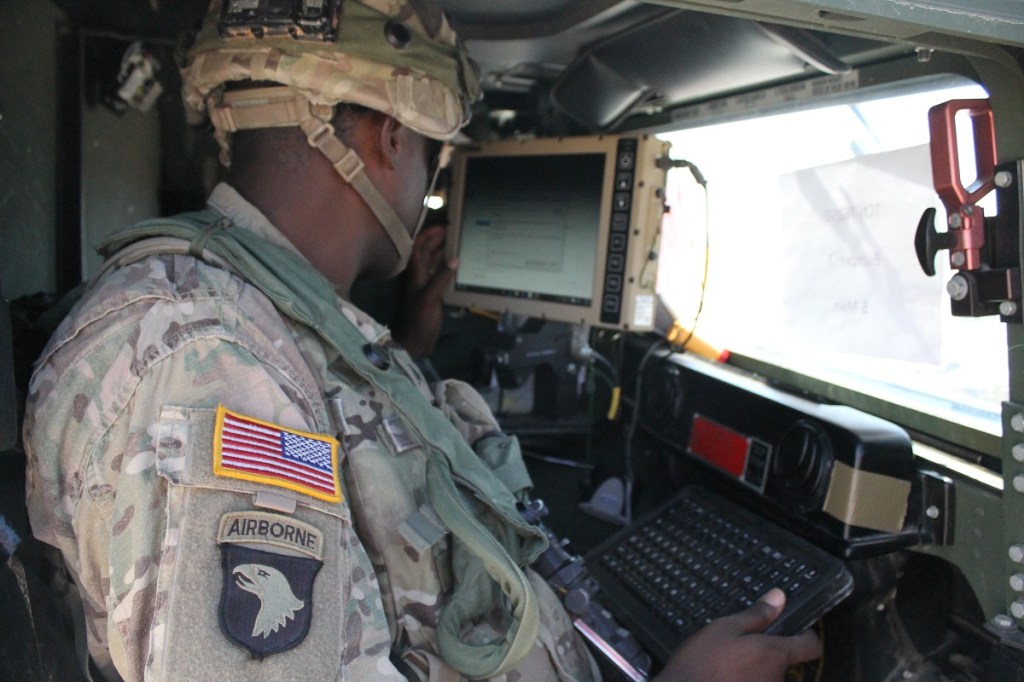
Army budget request adds $1.5B for network modernization
The Army’s budget request seeks to fund network modernization areas across four lines of effort.
-
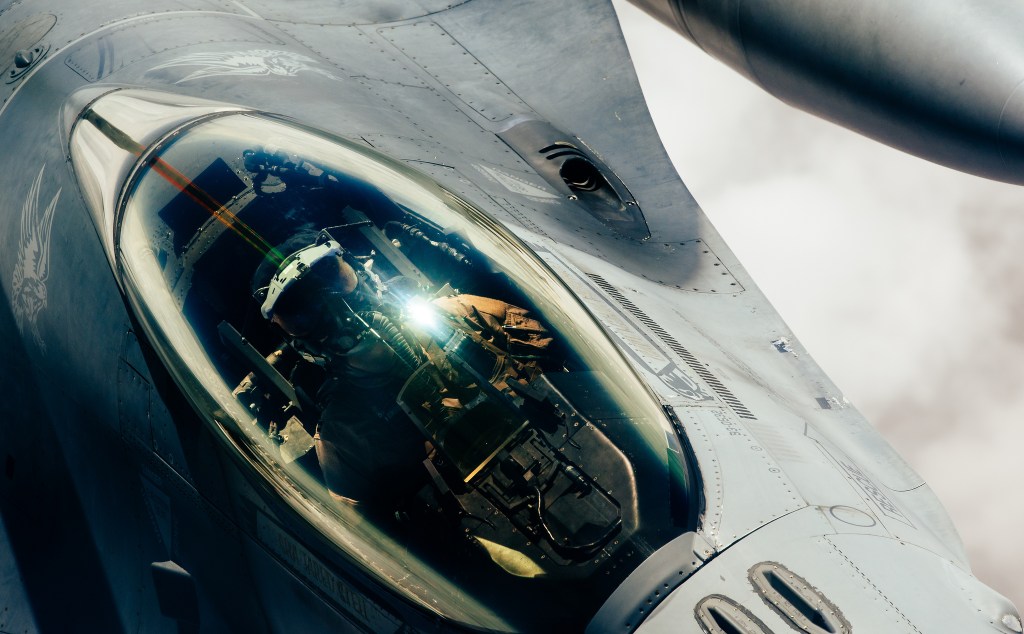
When malware hits an F-16, call these new Air Force cyber teams
New cyber teams will defend things like the avionics in a fighter jet.
-

What the Air Force learned from insurgents’ networks
Air Force leaders plan to experiment this summer with a mesh network that would allow military users in hard-to-reach areas to connect to the service’s top secret network and share intelligence information without the fear of losing service.
-
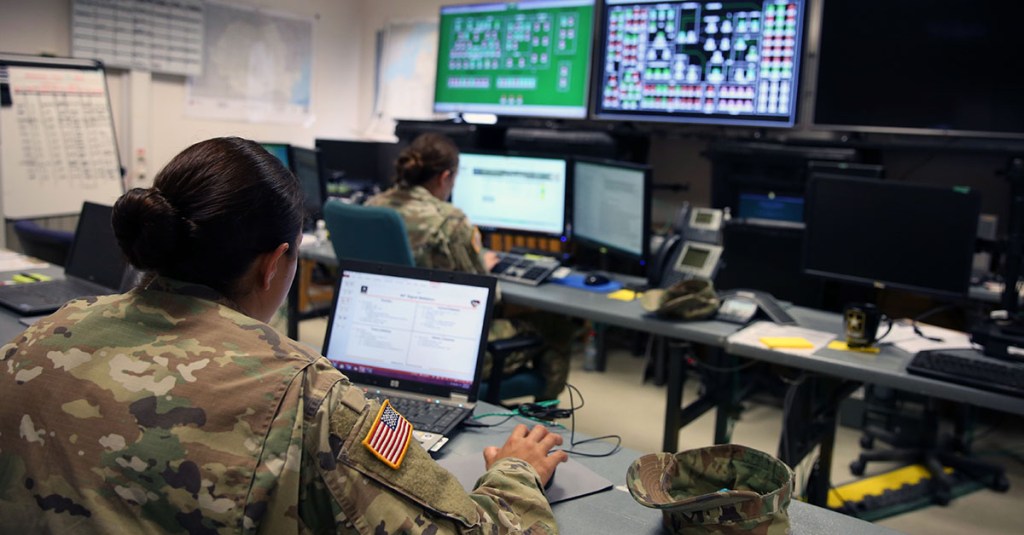
What the Army learned from a February cyber exercise
Cyber teams are beginning to use a new training environment that will allow staffers to rehearse for specific missions.
-
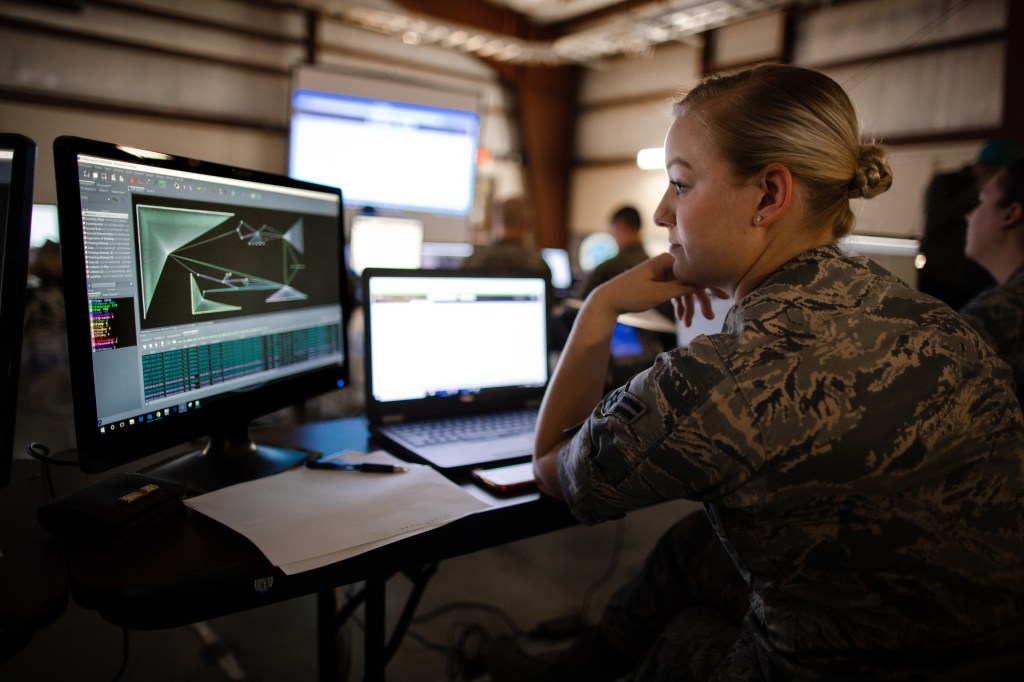
The cyber teams that helped stop Russian election interference
Cyber forces were given the mission to deter Russian attempts to influence the 2018 midterm election.
-
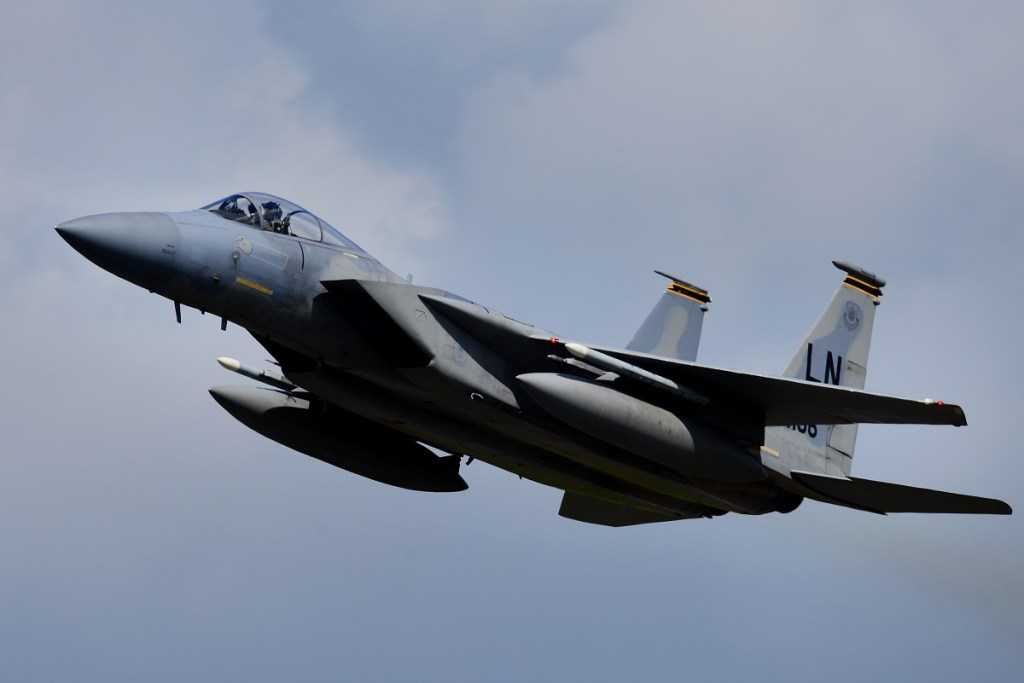
Air Force hopes new organization can boost electronic warfare
Air Force leaders are touting the creation of a new information warfare organization earlier this month as a way to show the increasing importance of cyber and electronic warfare capabilities.
-
Is Cyber Command really being more ‘aggressive’ in cyberspace?
Some inside and outside government are careful to couch new cyber authorities as offensive in nature, saying they allow greater flexibility in defense.
-
In era of ‘defend forward,’ what does success look like?
U.S. Cyber Command’s new operating philosophy of “defend forward” has helped clarify how the Department of Defense can protect the United States from cyberattacks, a Pentagon official said April 23.
-
Cyberwarriors get first look at critical new tools
The U.S. Air Force delivered to U.S. Cyber Command the first iteration of Unified Platform, a new cyber platform that will give teams important tools and help with coordination.
-
How the Navy is changing its thinking on information warfare
Vice Adm. Matthew Kohler, the Navy’s top information warfare officer, reveals how the service is shifting as the battlefield evolves.
-
Army budget request adds $1.5B for network modernization
The Army’s budget request seeks to fund network modernization areas across four lines of effort.
-
When malware hits an F-16, call these new Air Force cyber teams
New cyber teams will defend things like the avionics in a fighter jet.
-
What the Air Force learned from insurgents’ networks
Air Force leaders plan to experiment this summer with a mesh network that would allow military users in hard-to-reach areas to connect to the service’s top secret network and share intelligence information without the fear of losing service.
-
What the Army learned from a February cyber exercise
Cyber teams are beginning to use a new training environment that will allow staffers to rehearse for specific missions.
-
The cyber teams that helped stop Russian election interference
Cyber forces were given the mission to deter Russian attempts to influence the 2018 midterm election.
-
Air Force hopes new organization can boost electronic warfare
Air Force leaders are touting the creation of a new information warfare organization earlier this month as a way to show the increasing importance of cyber and electronic warfare capabilities.