-

What good are ‘exceptional’ cyber capabilities without authority?
Secretary of Defense nominee Mark Esper spoke to Congress on the importance of a streamlined framework for authorizing cyber operations outside U.S. networks.
-

How DoD is trying to adapt to the information overload age
Mark Esper, the secretary of defense nominee, discussed the need to update the Pentagon’s thinking on information operations.
-

Pentagon studies how to secure 5G and beyond
The Defense Science Board published an unclassified summary of its study into 5G technologies.
-

Are more robust cyber partnerships on the horizon?
Joint Chiefs nominee Gen. Mark Milley expressed the need to partner with U.S. agencies and the private sector to protect and reinforce U.S. capabilities.
-
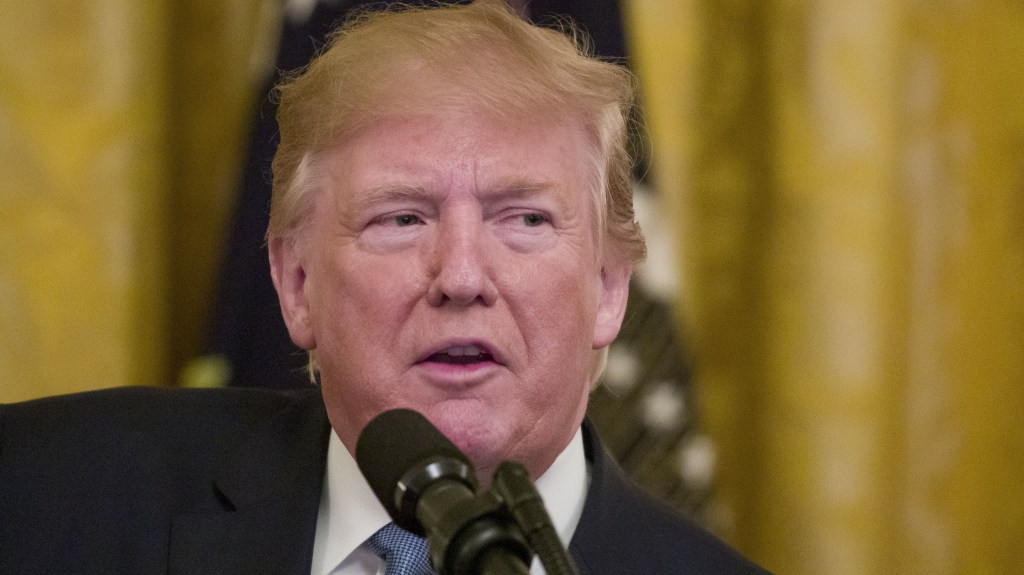
Are Congress and the White House on a collision course in cyber?
The Trump administration has ignored Congress’s request to see documents governing cyber operations.
-

Navy nominee brings cyber experience to top echelons of Pentagon leadership
Vice Adm. Michael Gilday, who formerly commanded Fleet Cyber Command, has been nominated to be the Navy’s top officer.
-

Joint Chiefs nominee wants to boost information warfare
In a pre-hearing questionnaire, the nominee to be the next chairman of the Joint Chiefs of Staff addressed questions on a range of information warfare-related capabilities.
-
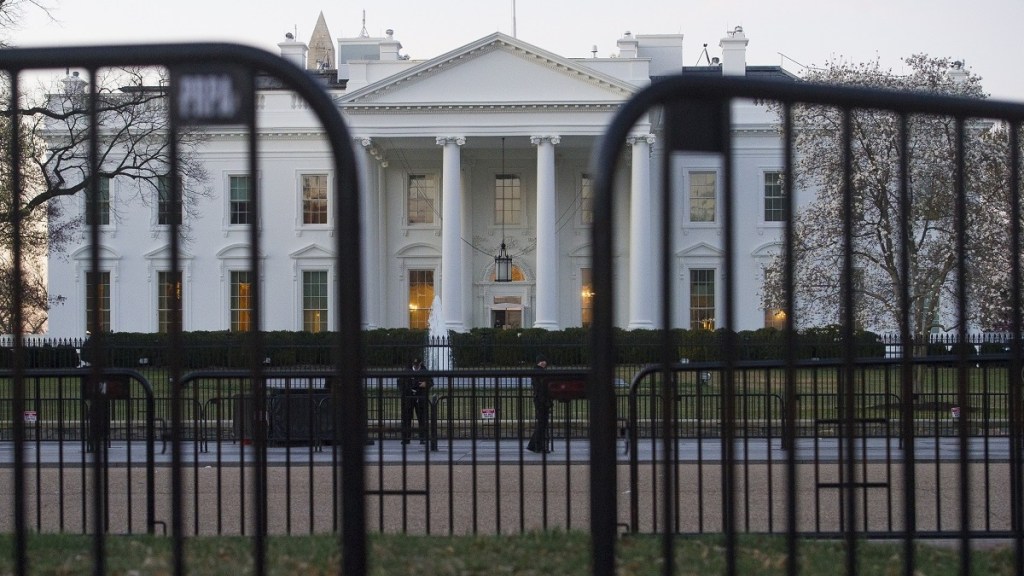
White House objects to new cyber proposal from Congress
The White House has reservations about disclosing when it delegates cyber authorities to the Secretary of Defense.
-
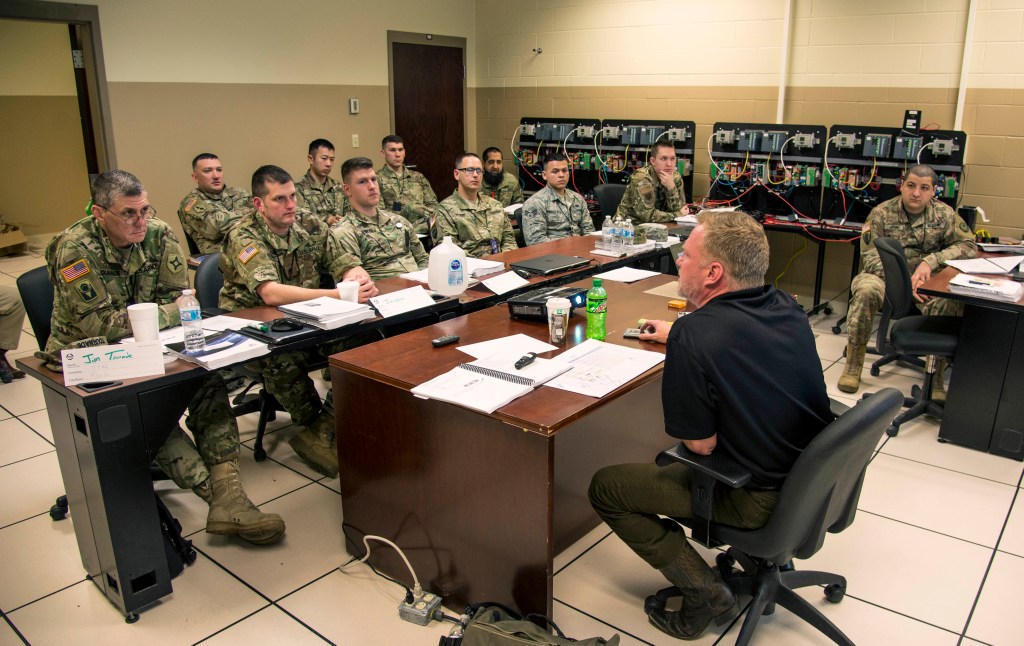
Are Army Reserve soldiers prepared to defeat cyberthreats?
A recent exercise evaluated Reserve cyber soldier readiness to defend DoD critical assets from international hackers.
-
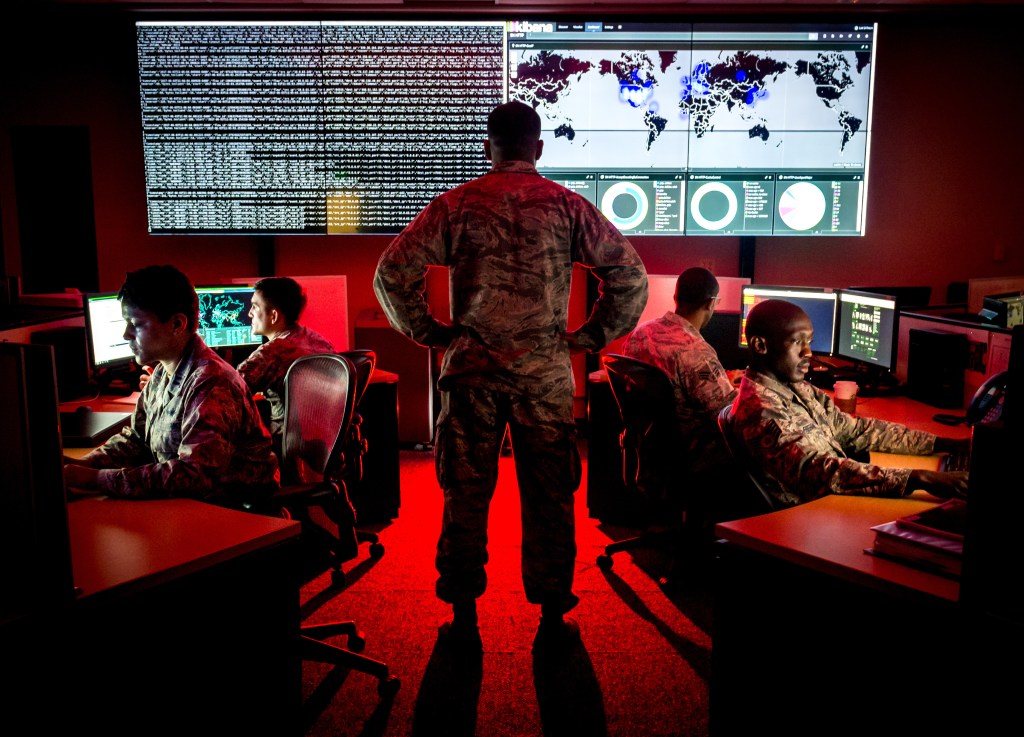
What the Pentagon learned from Cyber Lightning 2019
The Department of Defense’s cyber leaders are using a spring exercise – where for the first time multiple teams helped commanders understand their cyber options in theater – as a way to better work together in future conflicts.
-
What good are ‘exceptional’ cyber capabilities without authority?
Secretary of Defense nominee Mark Esper spoke to Congress on the importance of a streamlined framework for authorizing cyber operations outside U.S. networks.
-
How DoD is trying to adapt to the information overload age
Mark Esper, the secretary of defense nominee, discussed the need to update the Pentagon’s thinking on information operations.
-
Pentagon studies how to secure 5G and beyond
The Defense Science Board published an unclassified summary of its study into 5G technologies.
-
Are more robust cyber partnerships on the horizon?
Joint Chiefs nominee Gen. Mark Milley expressed the need to partner with U.S. agencies and the private sector to protect and reinforce U.S. capabilities.
-
Are Congress and the White House on a collision course in cyber?
The Trump administration has ignored Congress’s request to see documents governing cyber operations.
-
Navy nominee brings cyber experience to top echelons of Pentagon leadership
Vice Adm. Michael Gilday, who formerly commanded Fleet Cyber Command, has been nominated to be the Navy’s top officer.
-
Joint Chiefs nominee wants to boost information warfare
In a pre-hearing questionnaire, the nominee to be the next chairman of the Joint Chiefs of Staff addressed questions on a range of information warfare-related capabilities.
-
White House objects to new cyber proposal from Congress
The White House has reservations about disclosing when it delegates cyber authorities to the Secretary of Defense.
-
Are Army Reserve soldiers prepared to defeat cyberthreats?
A recent exercise evaluated Reserve cyber soldier readiness to defend DoD critical assets from international hackers.
-
What the Pentagon learned from Cyber Lightning 2019
The Department of Defense’s cyber leaders are using a spring exercise – where for the first time multiple teams helped commanders understand their cyber options in theater – as a way to better work together in future conflicts.