-
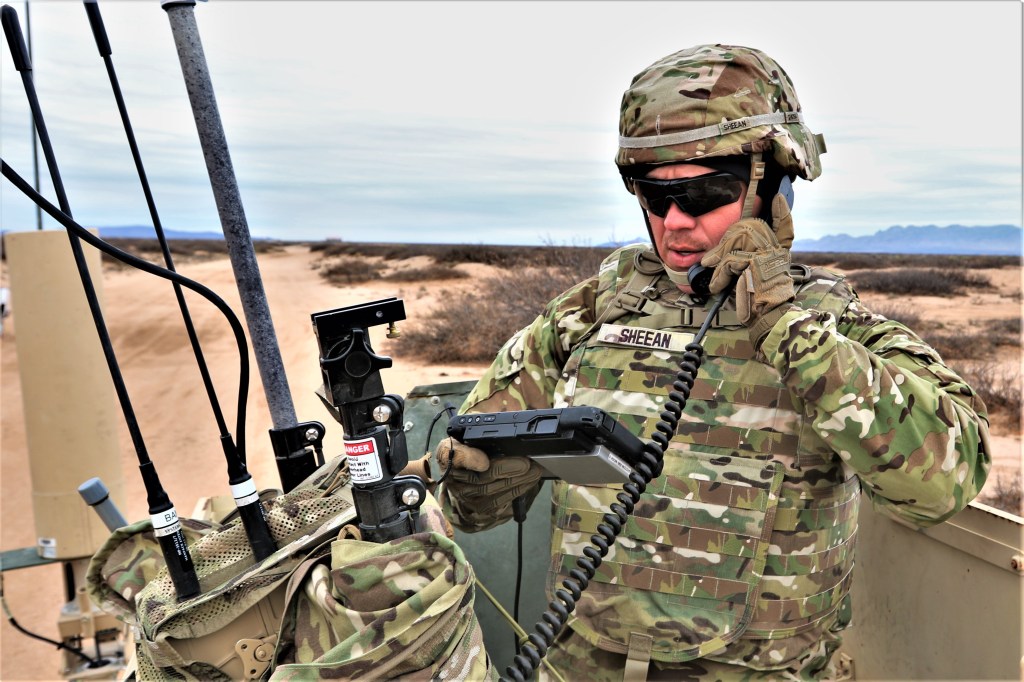
Researchers have achieved a comms breakthrough
Overcoming technical and engineering challenges, an Army-funded project has achieved a milestone that could boost 5G speeds.
-
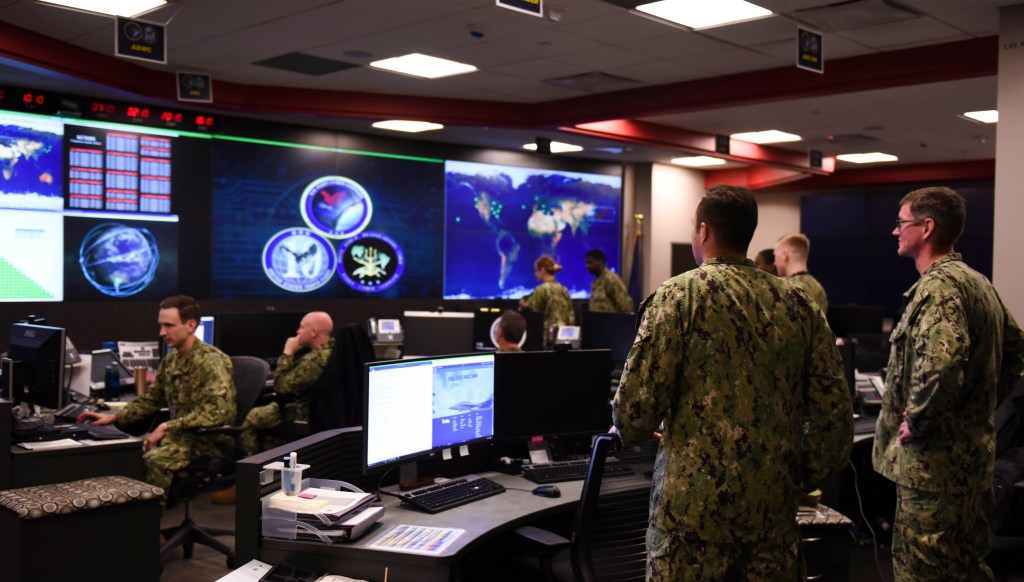
Cyberwarriors lack planning tools. That could change.
Cyberwarriors still don’t have a robust cyber-planning tool that spans across all services and teams within U.S. Cyber Command. The Air Force and Strategic Capabilities Office is continuing DARPA’s work to change that.
-
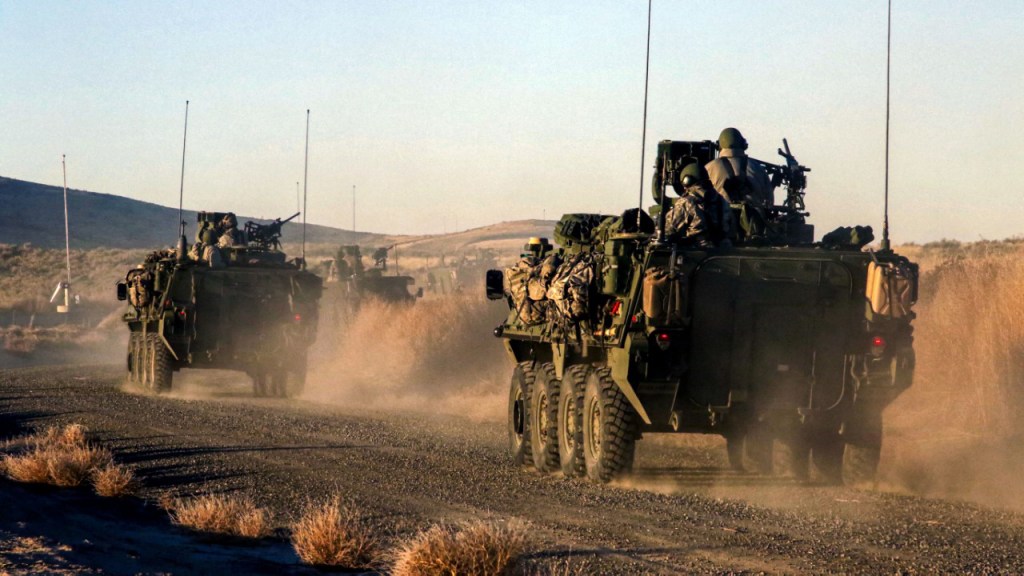
The Army’s network modernization plan is aggressive. But is it feasible?
In order to meet a two-year iterative network development timeline, the Army will need a quick turnaround on industry proposals for new technology.
-

What is ‘sovereignty’ in cyberspace? Depends who you ask
Nations still don’t fully agree on where lines in cyberspace are, potentially posing challenges for cooperation.
-
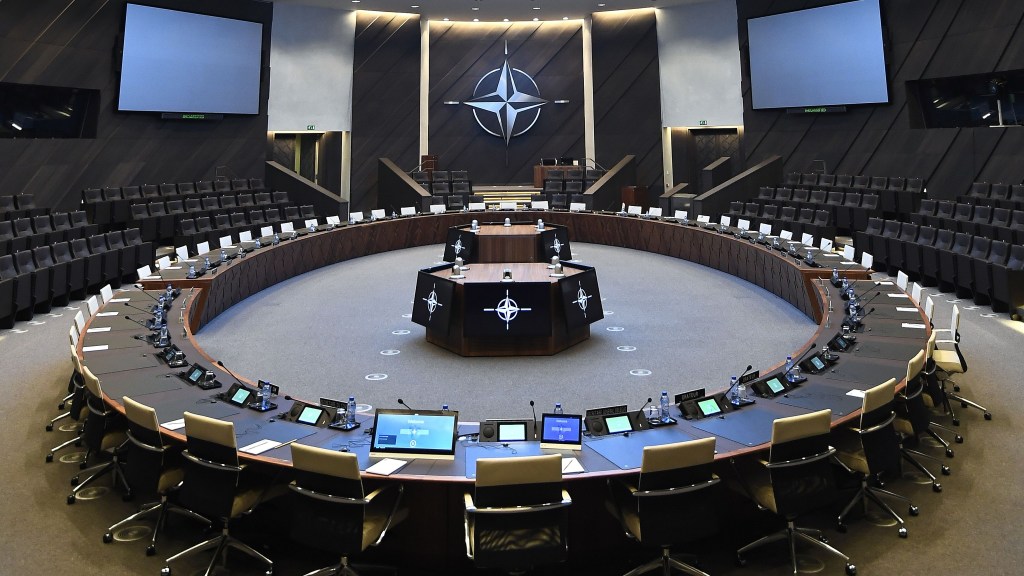
Here are the problems offensive cyber poses for NATO
Speaking at CyCon U.S., international legal experts expressed some doubts regarding how seamless cyber can be integrated into NATO operations.
-
How far behind is the Pentagon in electronic warfare?
A new report warns of ground lost and suggests asymmetries the Department of Defense can exploit to help regain advantage in the electromagnetic spectrum.
-

China’s Achilles’ heel when it comes to cyberspace
If “mutually assured cyber destruction” were to occur, one Marine Corps leader says, authoritarian nations such as China might have more to lose than the United States.
-

One way for the Pentagon to prove it’s serious about artificial intelligence
DoD needs to take certain steps to ensure it is actually serious about incorporating AI.
-

Russia and China may not be the top cyberthreats
While Russia and China pose significant threats, especially in the cyber domain, one expert worries that lesser known actors might be a more immediate concern.
-
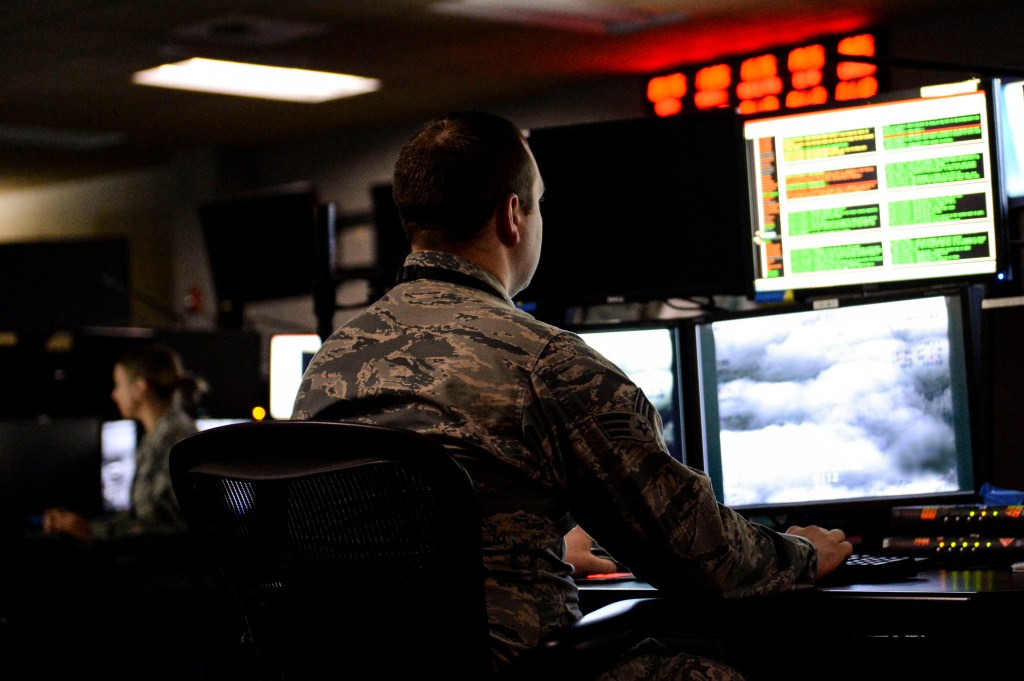
How a new Air Force unit could help beat Russian air defense systems
Leaders say the creation of 16th Air Force in October is transforming the way the service fights.
-
Researchers have achieved a comms breakthrough
Overcoming technical and engineering challenges, an Army-funded project has achieved a milestone that could boost 5G speeds.
-
Cyberwarriors lack planning tools. That could change.
Cyberwarriors still don’t have a robust cyber-planning tool that spans across all services and teams within U.S. Cyber Command. The Air Force and Strategic Capabilities Office is continuing DARPA’s work to change that.
-
The Army’s network modernization plan is aggressive. But is it feasible?
In order to meet a two-year iterative network development timeline, the Army will need a quick turnaround on industry proposals for new technology.
-
What is ‘sovereignty’ in cyberspace? Depends who you ask
Nations still don’t fully agree on where lines in cyberspace are, potentially posing challenges for cooperation.
-
Here are the problems offensive cyber poses for NATO
Speaking at CyCon U.S., international legal experts expressed some doubts regarding how seamless cyber can be integrated into NATO operations.
-
How far behind is the Pentagon in electronic warfare?
A new report warns of ground lost and suggests asymmetries the Department of Defense can exploit to help regain advantage in the electromagnetic spectrum.
-
China’s Achilles’ heel when it comes to cyberspace
If “mutually assured cyber destruction” were to occur, one Marine Corps leader says, authoritarian nations such as China might have more to lose than the United States.
-
One way for the Pentagon to prove it’s serious about artificial intelligence
DoD needs to take certain steps to ensure it is actually serious about incorporating AI.
-
Russia and China may not be the top cyberthreats
While Russia and China pose significant threats, especially in the cyber domain, one expert worries that lesser known actors might be a more immediate concern.
-
How a new Air Force unit could help beat Russian air defense systems
Leaders say the creation of 16th Air Force in October is transforming the way the service fights.