-
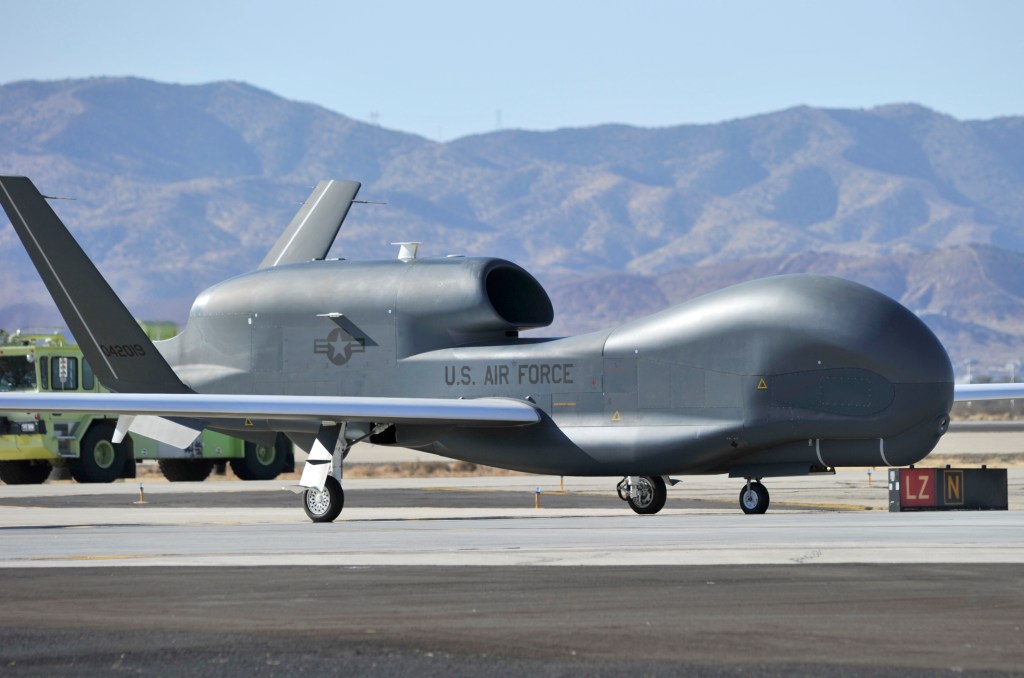
Air Force seeks modernization for full-spectrum fights
The Air Force’s acquisition chief told an audience at the Unmanned Systems Defense conference that the service is looking to modernize its platforms to allow them to fight in more contested environments.
-
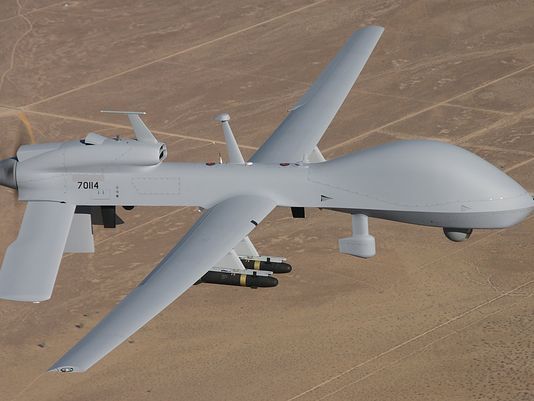
Senior Army official sets goals in employment of unmanned systems
The Army’s Vice Chief of Staff Gen. Daniel Allyn provided an overview of five objectives in unmanned systems the force is looking towards in the future.
-
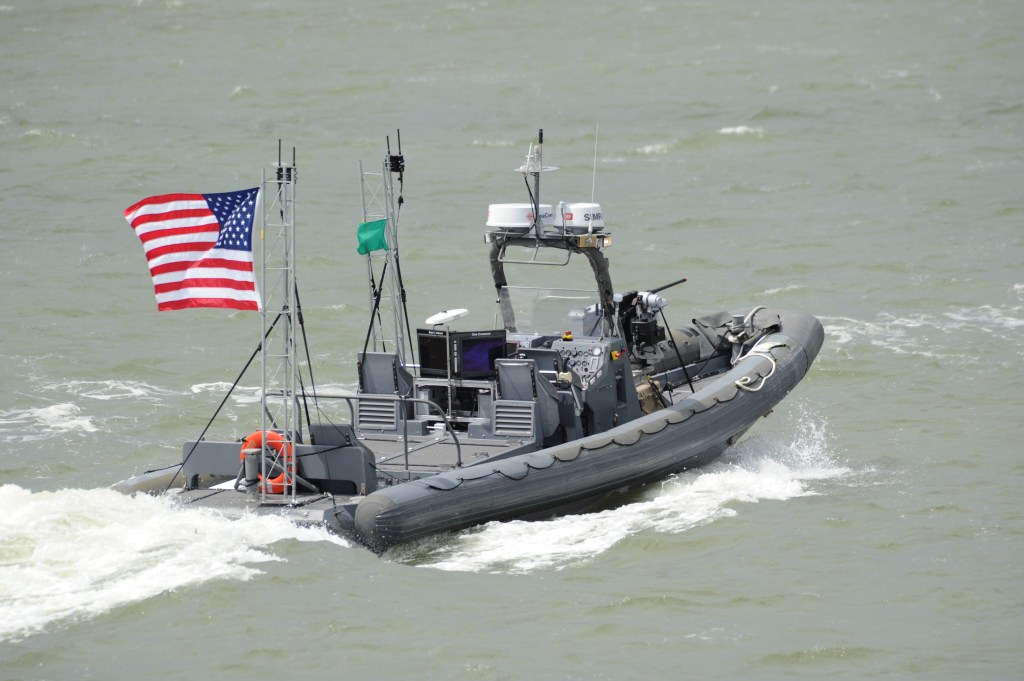
Navy outlines a path forward on unmanned systems
Several Naval officials provided insight into how unmanned systems will integrate with existing systems and concepts to augment operations and power projection at the annual Unmanned Systems Defense conference.
-
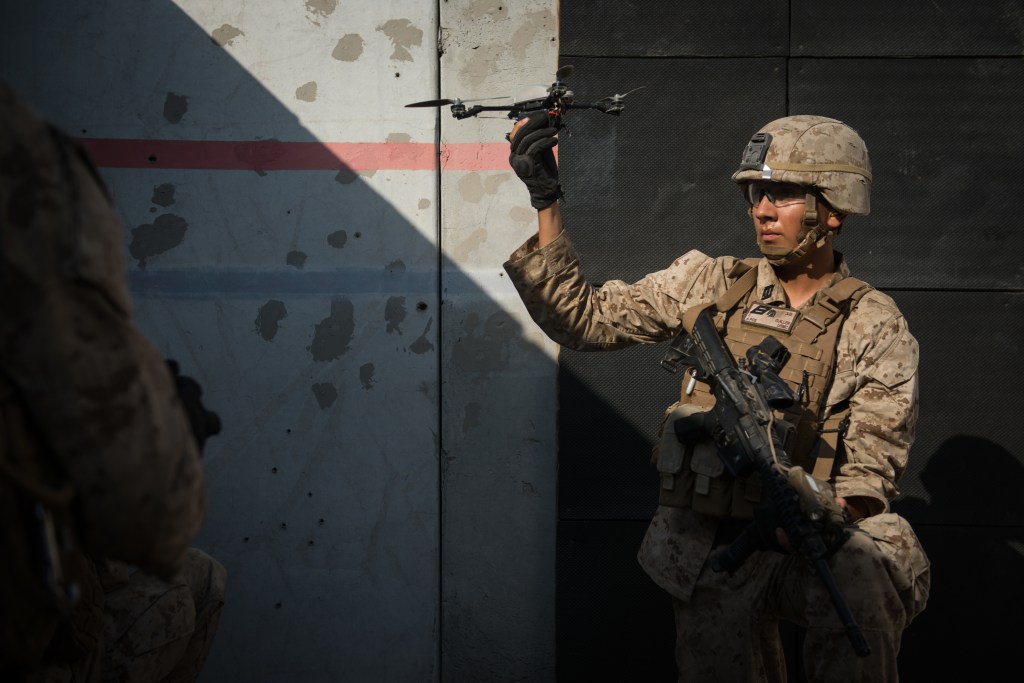
UAS will change maneuver capability of Marines
Lt. Gen. Robert Walsh explained the impact UAS will have on Marines in the future.
-
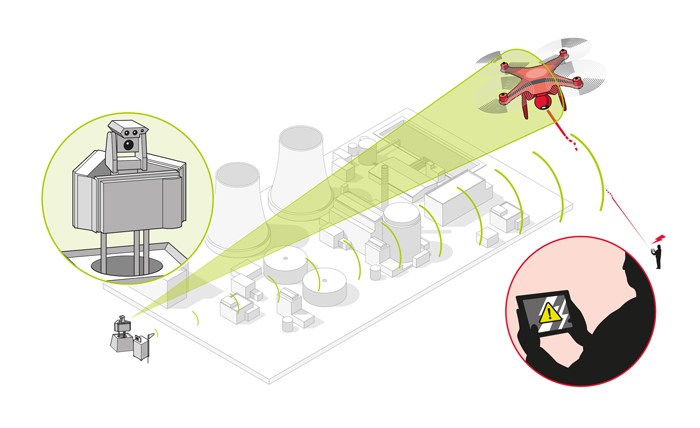
Army assesses emerging tech to meet critical gaps
The Army Warfighting Assessment exercise seeks to examine how new technologies can integrate with the future force as well as joint and multinational partners.
-

Cyber mission force reaches key milestone
The 133 teams that make up Cyber Command’s cyber mission force have reached initial operating capability.
-
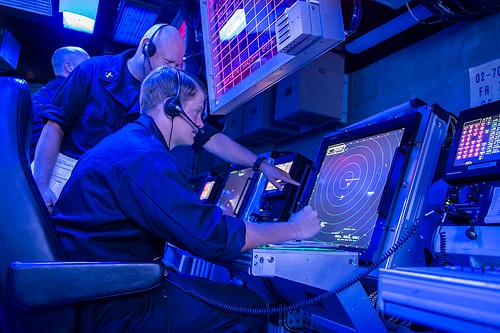
For the Navy, its all about cyber resiliency, not cyber protection
Rear Adm. Nancy Norton, director of warfare integration for information warfare and deputy director for Navy cybersecurity, said the Navy is focusing on cyber resiliency over cyber protection.
-
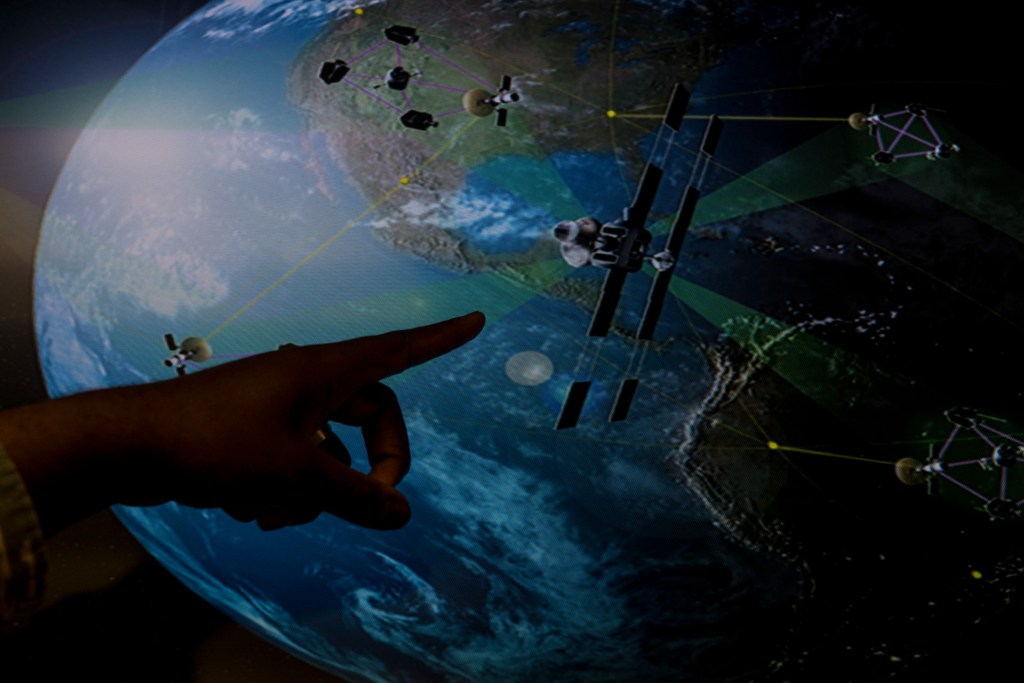
Report outlines A2/AD challenges for U.S. force projection
A report by Rand, sponsored by the Army, outlines the challenges increasing adversarial A2/AD capabilities pose for U.S. force projection.
-

DoD entrenches bug bounty program
The Defense Department announced a new contract to help various components and service branches launch bug bounty challenges.
-
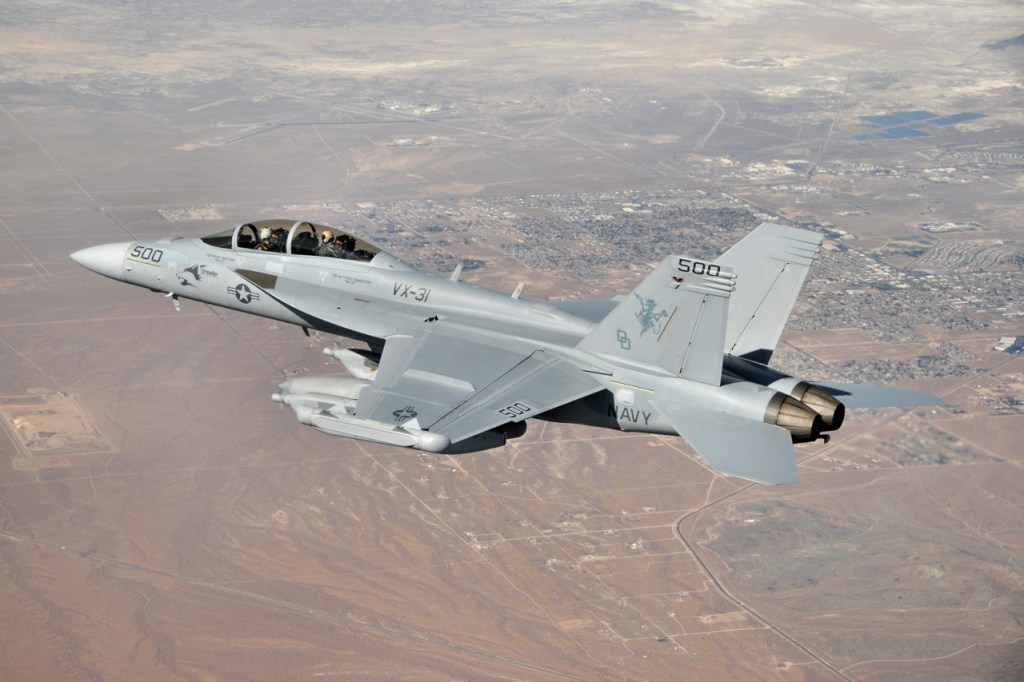
Electronic threats from above
Adversaries are increasingly making use of advances in electronic warfare technology. How is the U.S. taking similar advantage while trying to counter adversarial use?
-
Air Force seeks modernization for full-spectrum fights
The Air Force’s acquisition chief told an audience at the Unmanned Systems Defense conference that the service is looking to modernize its platforms to allow them to fight in more contested environments.
-
Senior Army official sets goals in employment of unmanned systems
The Army’s Vice Chief of Staff Gen. Daniel Allyn provided an overview of five objectives in unmanned systems the force is looking towards in the future.
-
Navy outlines a path forward on unmanned systems
Several Naval officials provided insight into how unmanned systems will integrate with existing systems and concepts to augment operations and power projection at the annual Unmanned Systems Defense conference.
-
UAS will change maneuver capability of Marines
Lt. Gen. Robert Walsh explained the impact UAS will have on Marines in the future.
-
Army assesses emerging tech to meet critical gaps
The Army Warfighting Assessment exercise seeks to examine how new technologies can integrate with the future force as well as joint and multinational partners.
-
Cyber mission force reaches key milestone
The 133 teams that make up Cyber Command’s cyber mission force have reached initial operating capability.
-
For the Navy, its all about cyber resiliency, not cyber protection
Rear Adm. Nancy Norton, director of warfare integration for information warfare and deputy director for Navy cybersecurity, said the Navy is focusing on cyber resiliency over cyber protection.
-
Report outlines A2/AD challenges for U.S. force projection
A report by Rand, sponsored by the Army, outlines the challenges increasing adversarial A2/AD capabilities pose for U.S. force projection.
-
DoD entrenches bug bounty program
The Defense Department announced a new contract to help various components and service branches launch bug bounty challenges.
-
Electronic threats from above
Adversaries are increasingly making use of advances in electronic warfare technology. How is the U.S. taking similar advantage while trying to counter adversarial use?