-
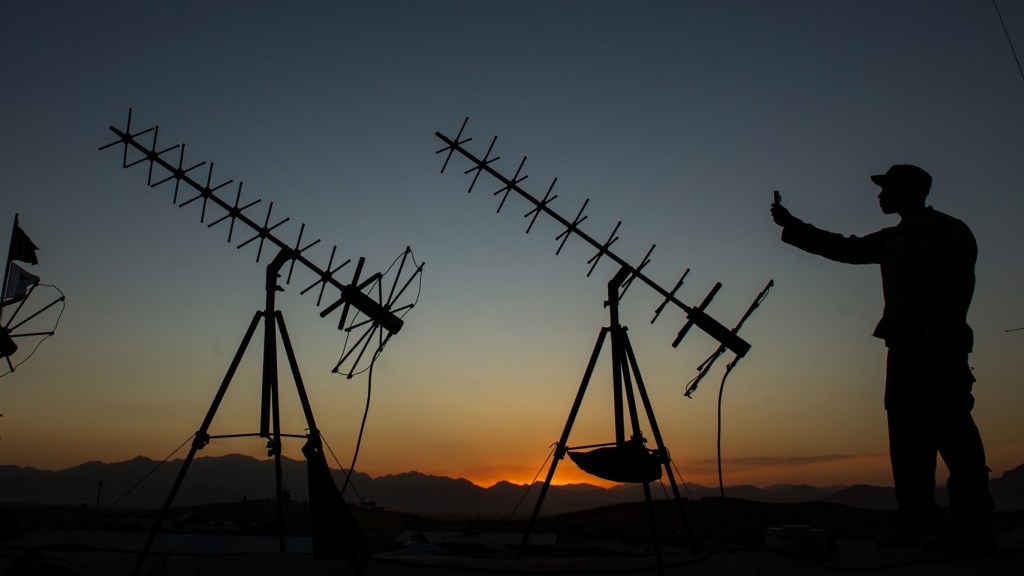
Air Force wants industry input for enhanced electromagnetic battle management capability
In a post listed on the FedBizOpps website, the Air Force desires capabilities that will provide situational awareness and command and control of the electromagnetic spectrum.
-

Army announces its own ‘Hack the Pentagon’
Following an announcement last month that the Defense Department will be expanding its revolutionary bug bounty program, which provides monetary compensation to outside hackers that discover and disclose vulnerabilities on DoD networks, the Army unveiled its iteration of this innovative initiative.
-

What is the U.S. intelligence picture in Libya?
Despite ongoing operations in Iraq and Syria against the Islamic State group, the U.S. is also aiding forces in Libya to thwart militant advances in Africa. What is the intelligence apparatus they are using?
-
Army announces its own ‘Hack the Pentagon’
Following an announcement last month that the Defense Department will be expanding its bug bounty program, the Army will be initiating Hack the Army later in November.
-

Industry working on predicting cyberspace for IC
The Intelligence Advanced Research Projects Activity awarded four organizations contracts under its Cyber-attack Automated Unconventional Sensor Environment program.
-

Army honing in on cyber defense
The Army is setting its sights on the tools and capabilities to better defend networks.
-
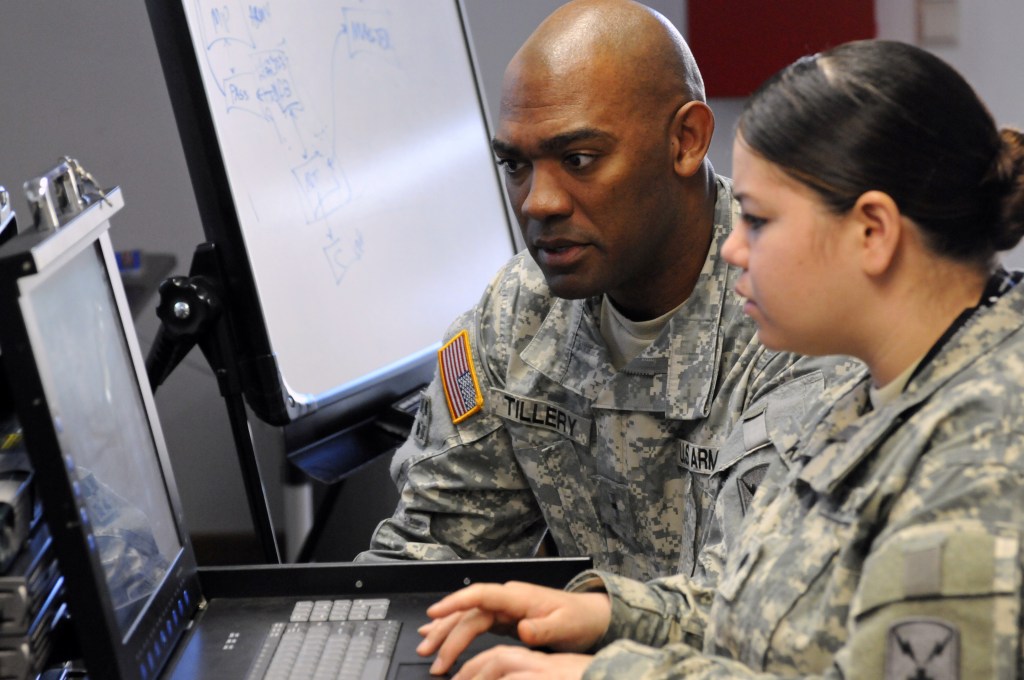
DoD looking at alternative methods to train hackers
Frank DiGiovanni, director of Force Training, in the Office of the Assistant Secretary of Defense for Readiness, is running a prototype to improve training of DoD hackers.
-

How can the Air Force crowdsource intelligence?
While the Air Force uses sophisticated, high-resolution ISR sensors, crowdsourcing intelligence at a lower, more targeted level could make intelligence more accurate.
-

Cyberthreat hunt teams would benefit from machine assistance
Automation is important for cyber defense in order to stay ahead of threats that move too quickly for human reaction; though, human hunters are of growing importance in defensive postures.
-

How to observe threats on your network
Even if threats are detected on the network, sometimes, observing them rather than expelling them can deliver a raft of insights.
-
Air Force wants industry input for enhanced electromagnetic battle management capability
In a post listed on the FedBizOpps website, the Air Force desires capabilities that will provide situational awareness and command and control of the electromagnetic spectrum.
-
Army announces its own ‘Hack the Pentagon’
Following an announcement last month that the Defense Department will be expanding its revolutionary bug bounty program, which provides monetary compensation to outside hackers that discover and disclose vulnerabilities on DoD networks, the Army unveiled its iteration of this innovative initiative.
-
What is the U.S. intelligence picture in Libya?
Despite ongoing operations in Iraq and Syria against the Islamic State group, the U.S. is also aiding forces in Libya to thwart militant advances in Africa. What is the intelligence apparatus they are using?
-
Army announces its own ‘Hack the Pentagon’
Following an announcement last month that the Defense Department will be expanding its bug bounty program, the Army will be initiating Hack the Army later in November.
-
Industry working on predicting cyberspace for IC
The Intelligence Advanced Research Projects Activity awarded four organizations contracts under its Cyber-attack Automated Unconventional Sensor Environment program.
-
Army honing in on cyber defense
The Army is setting its sights on the tools and capabilities to better defend networks.
-
DoD looking at alternative methods to train hackers
Frank DiGiovanni, director of Force Training, in the Office of the Assistant Secretary of Defense for Readiness, is running a prototype to improve training of DoD hackers.
-
How can the Air Force crowdsource intelligence?
While the Air Force uses sophisticated, high-resolution ISR sensors, crowdsourcing intelligence at a lower, more targeted level could make intelligence more accurate.
-
Cyberthreat hunt teams would benefit from machine assistance
Automation is important for cyber defense in order to stay ahead of threats that move too quickly for human reaction; though, human hunters are of growing importance in defensive postures.
-
How to observe threats on your network
Even if threats are detected on the network, sometimes, observing them rather than expelling them can deliver a raft of insights.