-
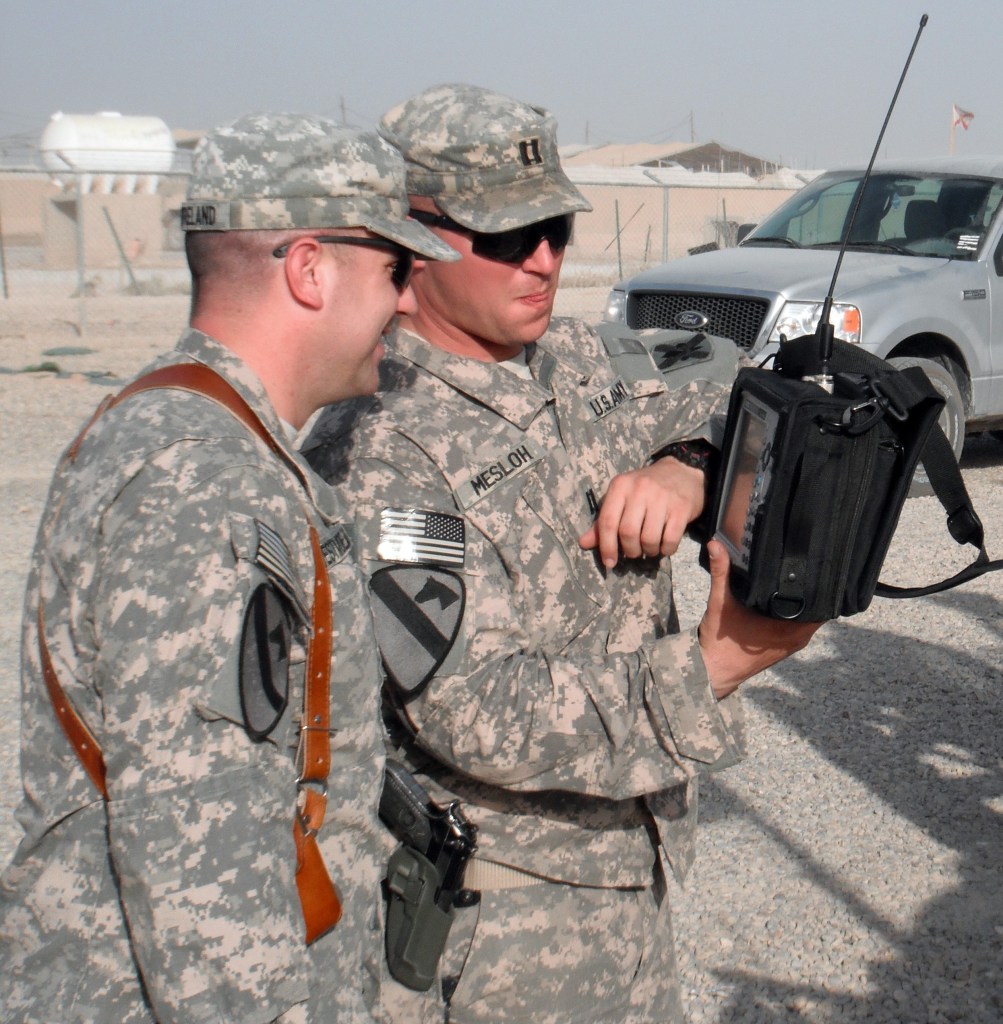
US is ‘outgunned’ in electronic warfare, says cyber commander
Two military leaders admitted at the TechNet Augusta conference this week that the United States is falling behind in its electronic warfare capability.
-

Sensor overload is overloading the network
This problem is expected to get worse in the next 10 years with the increase in boxes and sensors.
-
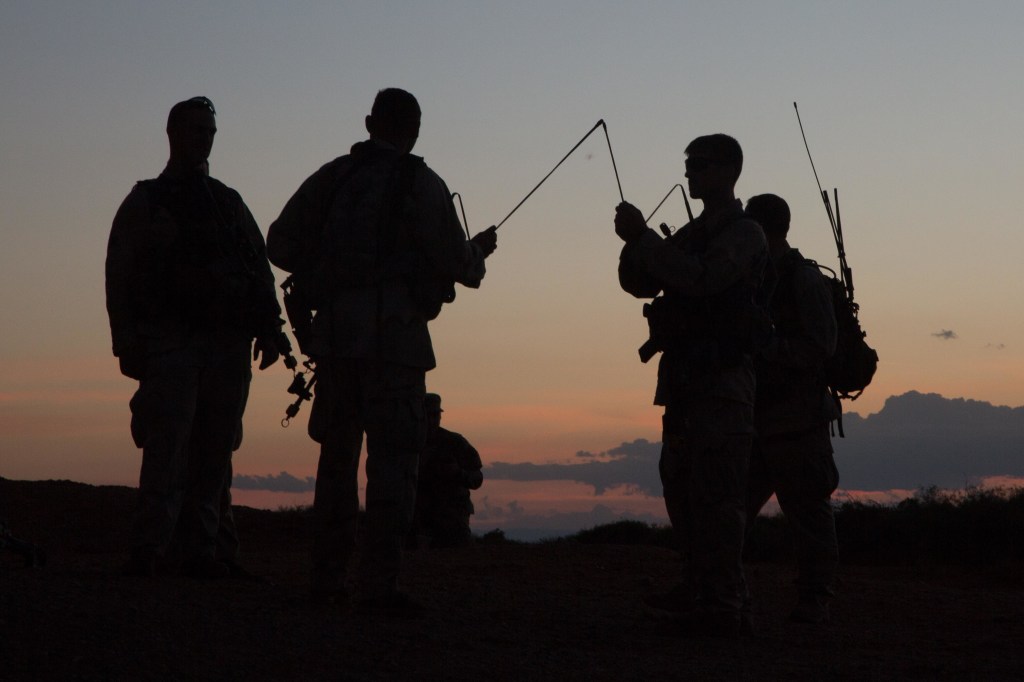
Army RCO expands scope of mission
The Army’s Rapid Capabilities Office is looking to expand beyond the initial three areas of focus from when it was stood up less than a year ago.
-
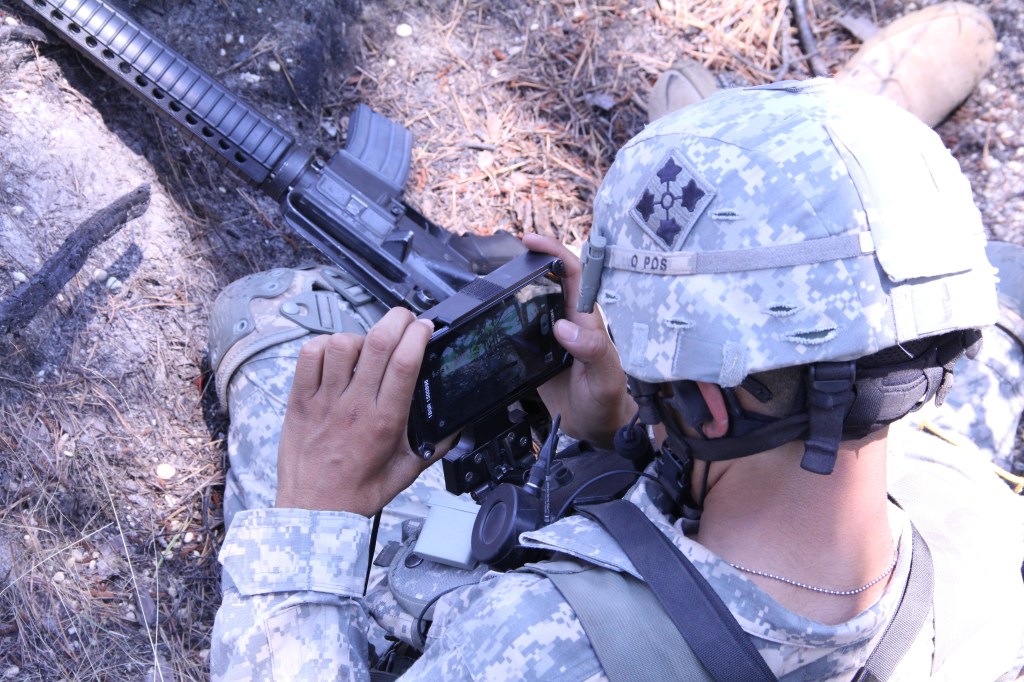
Army seeking network simplicity
Top Army leaders acknowledge that in future operating environments, soldiers will not have the benefit of large logistical support — they’ll need to operate networks themselves.
-
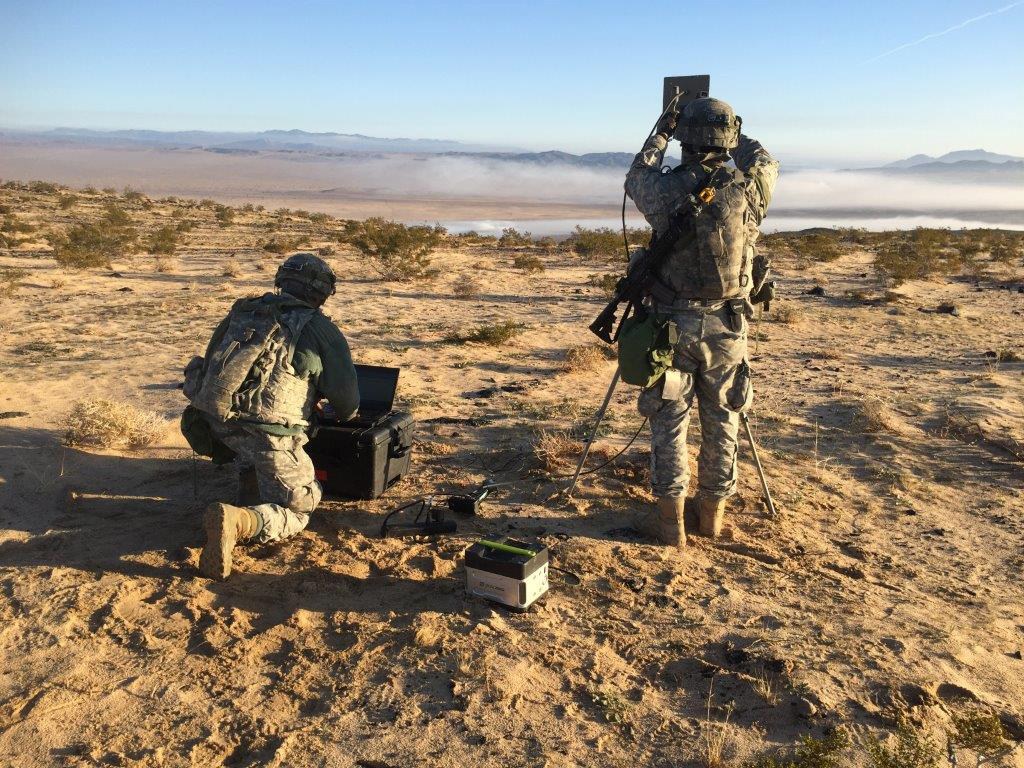
Army field manual provides cyber, electronic warfare template
“It’s not perfect, but we didn’t intend it to be perfect. We intended to make sure it could get out so our commanders could have an ability to leverage it,” Lt. Gen. Paul Nakasone, commander of Army Cyber Command, told C4ISRNET.
-
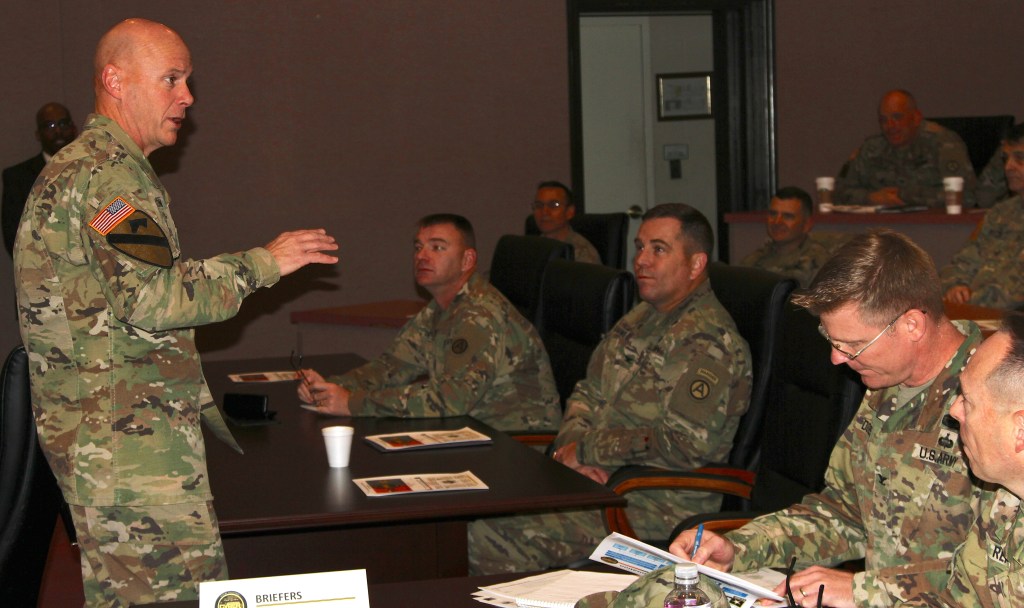
Army cyber general: ‘What a difference a year makes’
Maj. Gen. John Morrison, commander of the Army Cyber Center of Excellence at Fort Gordon, Georgia, highlighted some of the flashpoints for progress within the last year during his opening keynote address at TechNet Augusta.
-

Here’s how technology can help unburden DIA analysts
The Defense Intelligence Agency’s collaborative Innovation Hub environment allows the private sector to pitch new capabilities and business processes to help mission cells address critical needs.
-
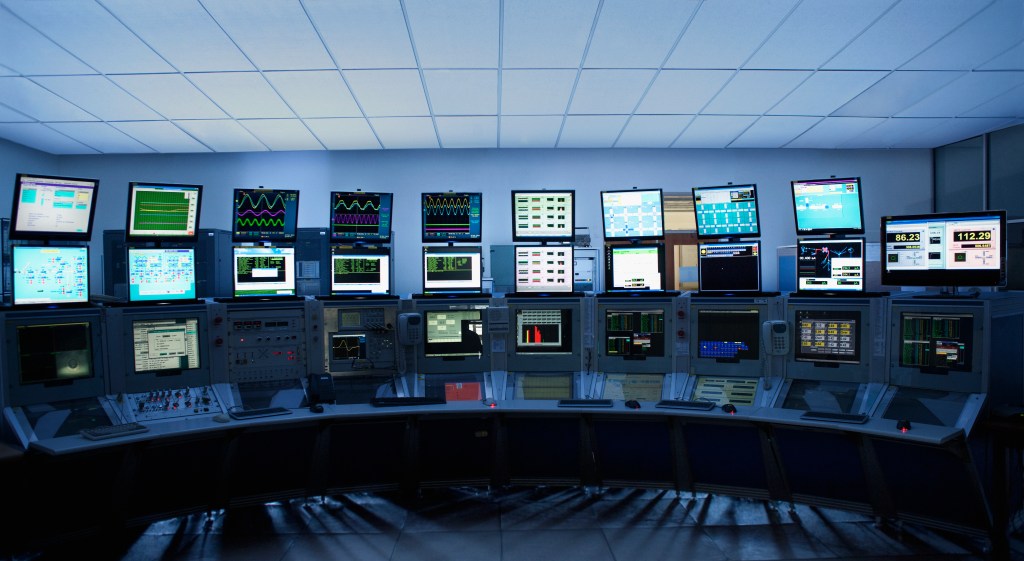
‘Information’ is playing outsize role in warfare
In 21st century warfare, war is cognitive as much as it’s kinetic, Lt. Gen. Vincent Stewart, director of the Defense Intelligence Agency, told a small group of reporters in his office this week.
-
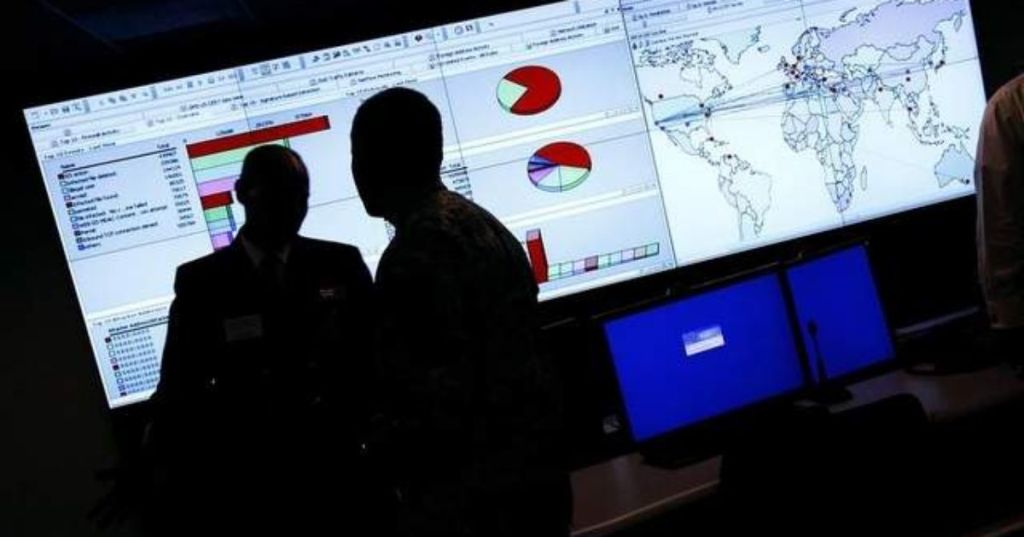
How critical is the dearth of cyber political appointees across gov?
At the six-month mark, however, key executive positions in the cyber field have yet to be filled. Some political appointees or those in acting roles have departed since early on in the administration, forcing more civil servants lower in the chain to step into top roles.
-

Marines applying rapid acquisition in cyberspace
This is part seven of a series exploring the differences between military cyber forces, capabilities, mission sets and needs.
-
US is ‘outgunned’ in electronic warfare, says cyber commander
Two military leaders admitted at the TechNet Augusta conference this week that the United States is falling behind in its electronic warfare capability.
-
Sensor overload is overloading the network
This problem is expected to get worse in the next 10 years with the increase in boxes and sensors.
-
Army RCO expands scope of mission
The Army’s Rapid Capabilities Office is looking to expand beyond the initial three areas of focus from when it was stood up less than a year ago.
-
Army seeking network simplicity
Top Army leaders acknowledge that in future operating environments, soldiers will not have the benefit of large logistical support — they’ll need to operate networks themselves.
-
Army field manual provides cyber, electronic warfare template
“It’s not perfect, but we didn’t intend it to be perfect. We intended to make sure it could get out so our commanders could have an ability to leverage it,” Lt. Gen. Paul Nakasone, commander of Army Cyber Command, told C4ISRNET.
-
Army cyber general: ‘What a difference a year makes’
Maj. Gen. John Morrison, commander of the Army Cyber Center of Excellence at Fort Gordon, Georgia, highlighted some of the flashpoints for progress within the last year during his opening keynote address at TechNet Augusta.
-
Here’s how technology can help unburden DIA analysts
The Defense Intelligence Agency’s collaborative Innovation Hub environment allows the private sector to pitch new capabilities and business processes to help mission cells address critical needs.
-
‘Information’ is playing outsize role in warfare
In 21st century warfare, war is cognitive as much as it’s kinetic, Lt. Gen. Vincent Stewart, director of the Defense Intelligence Agency, told a small group of reporters in his office this week.
-
How critical is the dearth of cyber political appointees across gov?
At the six-month mark, however, key executive positions in the cyber field have yet to be filled. Some political appointees or those in acting roles have departed since early on in the administration, forcing more civil servants lower in the chain to step into top roles.
-
Marines applying rapid acquisition in cyberspace
This is part seven of a series exploring the differences between military cyber forces, capabilities, mission sets and needs.