-
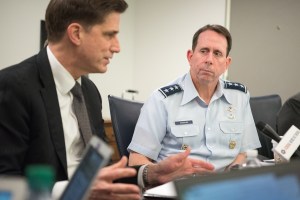
The Pentagon now has 5 principles for artificial intelligence
The five principles governing the ethical use of artificial intelligence by the Department of Defense will apply to the combat and non-combat uses of AI-enabled technologies.
-

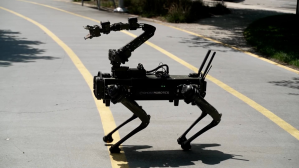
Tomorrow Wars Volume 1 Issue 17: Mining the Future
In the latest issue of the Tomorrow Wars newsletter, a discussion of how explosives made in the present can carry harm decades, sometimes even centuries, into the future.
-

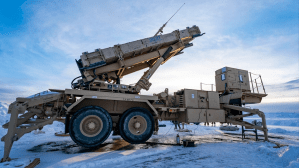
Here’s how much money the Pentagon found through internal savings — and where it’s going
The Missile Defense Agency is one office whose priorities will be shifting.
-
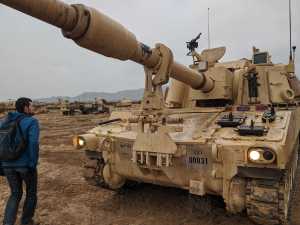
Army seeks robots to supply its big guns with ammunition
Expertise in AI for off-road driving could safely transport explosive payloads to their proper destination.
-
Pentagon’s top artificial intelligence official to retire
The Pentagon plans to announce Jan. 31 that Lt. Gen. Jack Shanahan, the Department of Defense’s top artificial intelligence official, will retire from the Air Force this summer, C4ISRNET has learned.
-
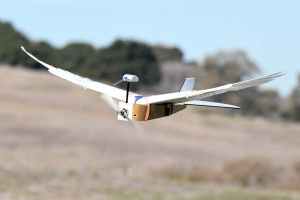
Tomorrow Wars Volume 1 Issue 16: The Uncanny Ally
From pigeon-feather robots to self-healing mechanical joints, lessons for robots from the world of biology.
-

Pentagon will start figuring out AI for lethality in 2020
The Pentagon’s AI center plans to explore how to apply artificial intelligence to battle.
-

Tomorrow Wars Volume 1 Issue 15: The Imperfect Panopticon
For the Tomorrow Wars newsletter, a look at the way personal devices bring new vulnerabilities to the battlefield.
-
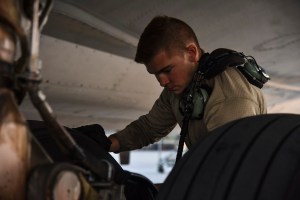
A new artificial intelligence contract to keep planes flying
The Pentagon’s Silicon Valley outpost awarded a contract worth as much as $95 million for software that aims to predict when military aircraft will need repairs, a tool that would make more aircraft available for missions and could potentially save billions of dollars in maintenance costs.
-
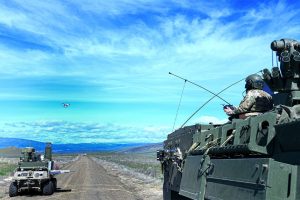
Automation doesn’t mean soldiers will be out of a job, chief says
Automation won’t eliminate soldier jobs, but it may help to supplement their workloads.
-
The Pentagon now has 5 principles for artificial intelligence
The five principles governing the ethical use of artificial intelligence by the Department of Defense will apply to the combat and non-combat uses of AI-enabled technologies.
-
Tomorrow Wars Volume 1 Issue 17: Mining the Future
In the latest issue of the Tomorrow Wars newsletter, a discussion of how explosives made in the present can carry harm decades, sometimes even centuries, into the future.
-
Here’s how much money the Pentagon found through internal savings — and where it’s going
The Missile Defense Agency is one office whose priorities will be shifting.
-
Army seeks robots to supply its big guns with ammunition
Expertise in AI for off-road driving could safely transport explosive payloads to their proper destination.
-
Pentagon’s top artificial intelligence official to retire
The Pentagon plans to announce Jan. 31 that Lt. Gen. Jack Shanahan, the Department of Defense’s top artificial intelligence official, will retire from the Air Force this summer, C4ISRNET has learned.
-
Tomorrow Wars Volume 1 Issue 16: The Uncanny Ally
From pigeon-feather robots to self-healing mechanical joints, lessons for robots from the world of biology.
-
Pentagon will start figuring out AI for lethality in 2020
The Pentagon’s AI center plans to explore how to apply artificial intelligence to battle.
-
Tomorrow Wars Volume 1 Issue 15: The Imperfect Panopticon
For the Tomorrow Wars newsletter, a look at the way personal devices bring new vulnerabilities to the battlefield.
-
A new artificial intelligence contract to keep planes flying
The Pentagon’s Silicon Valley outpost awarded a contract worth as much as $95 million for software that aims to predict when military aircraft will need repairs, a tool that would make more aircraft available for missions and could potentially save billions of dollars in maintenance costs.
-
Automation doesn’t mean soldiers will be out of a job, chief says
Automation won’t eliminate soldier jobs, but it may help to supplement their workloads.
-
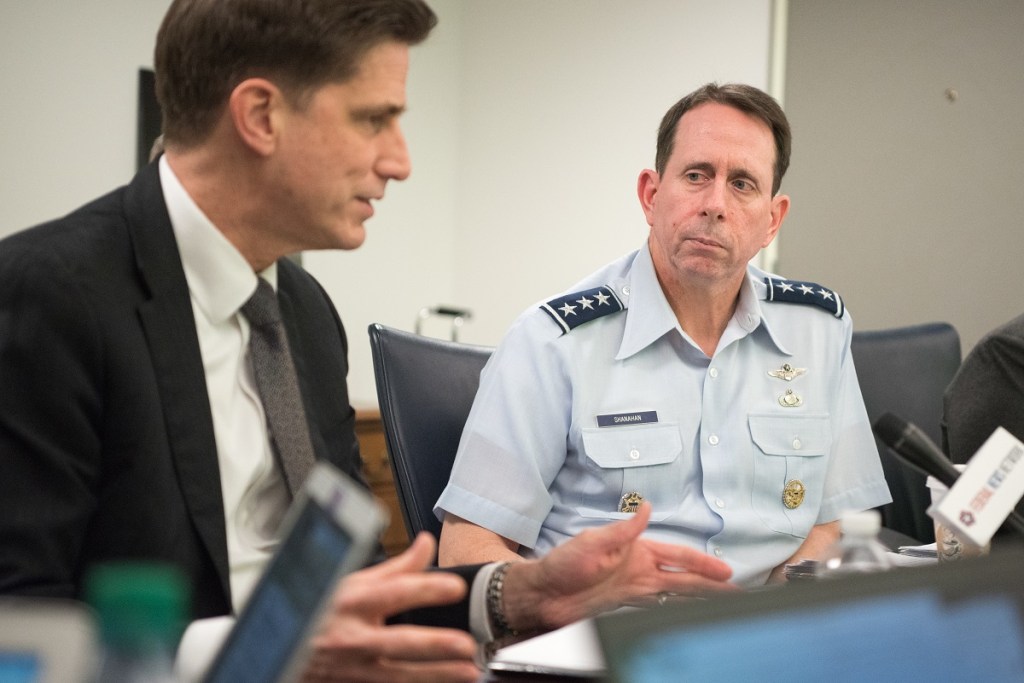
The Pentagon now has 5 principles for artificial intelligence
The five principles governing the ethical use of artificial intelligence by the Department of Defense will apply to the combat and non-combat uses of AI-enabled technologies.
-

Tomorrow Wars Volume 1 Issue 17: Mining the Future
In the latest issue of the Tomorrow Wars newsletter, a discussion of how explosives made in the present can carry harm decades, sometimes even centuries, into the future.
-
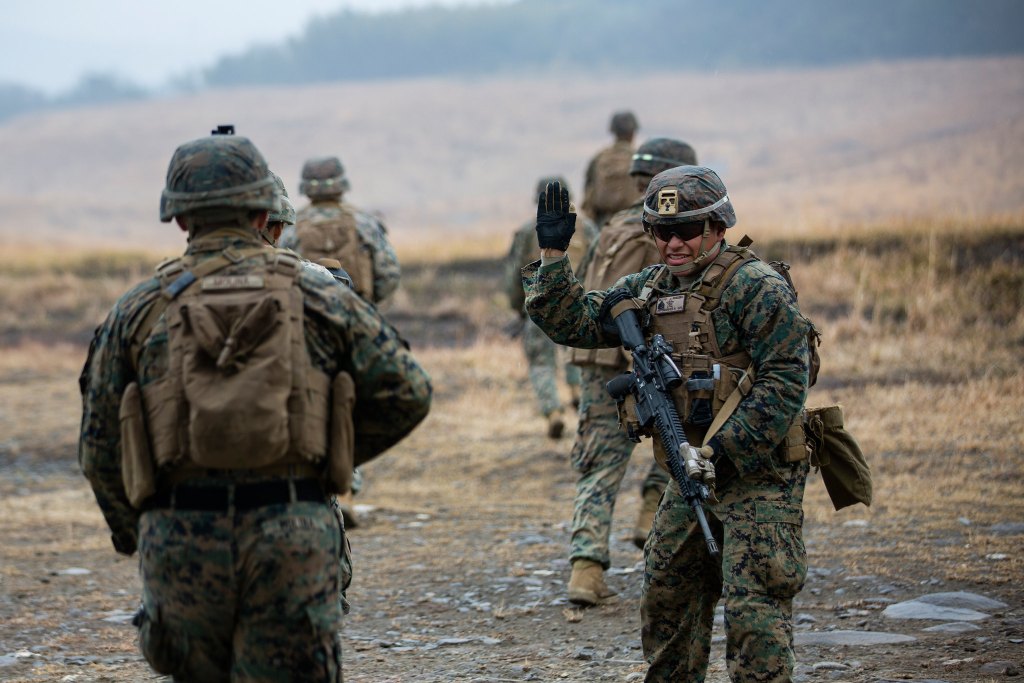
Here’s how much money the Pentagon found through internal savings — and where it’s going
The Missile Defense Agency is one office whose priorities will be shifting.
-
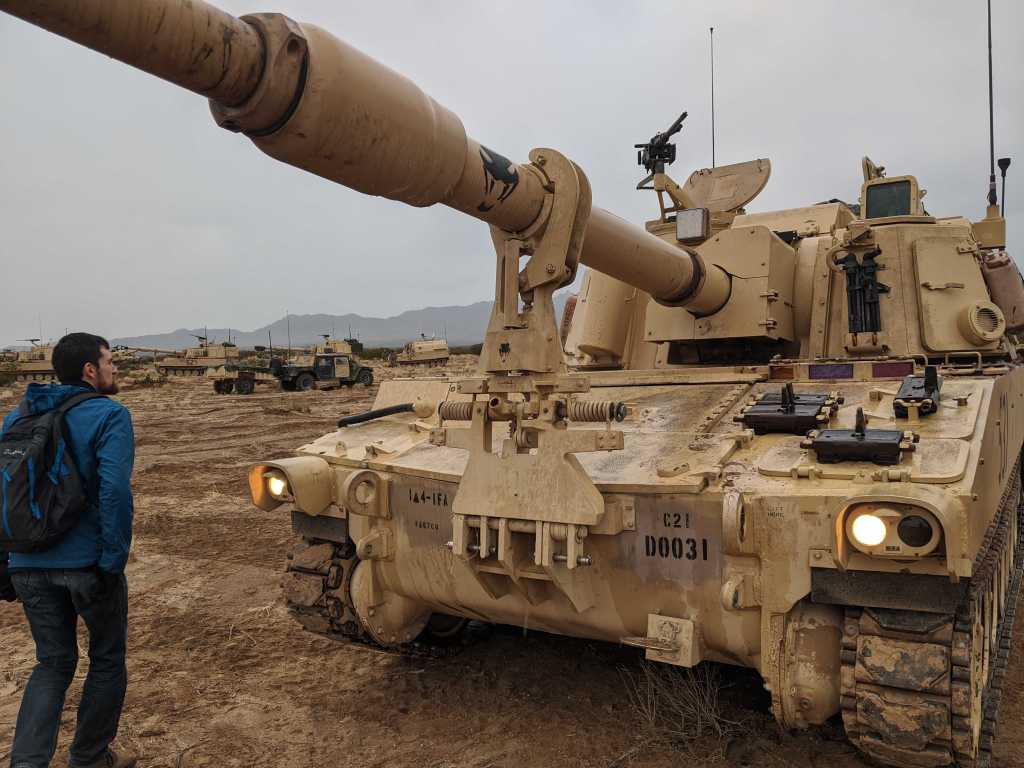
Army seeks robots to supply its big guns with ammunition
Expertise in AI for off-road driving could safely transport explosive payloads to their proper destination.
-
Pentagon’s top artificial intelligence official to retire
The Pentagon plans to announce Jan. 31 that Lt. Gen. Jack Shanahan, the Department of Defense’s top artificial intelligence official, will retire from the Air Force this summer, C4ISRNET has learned.
-
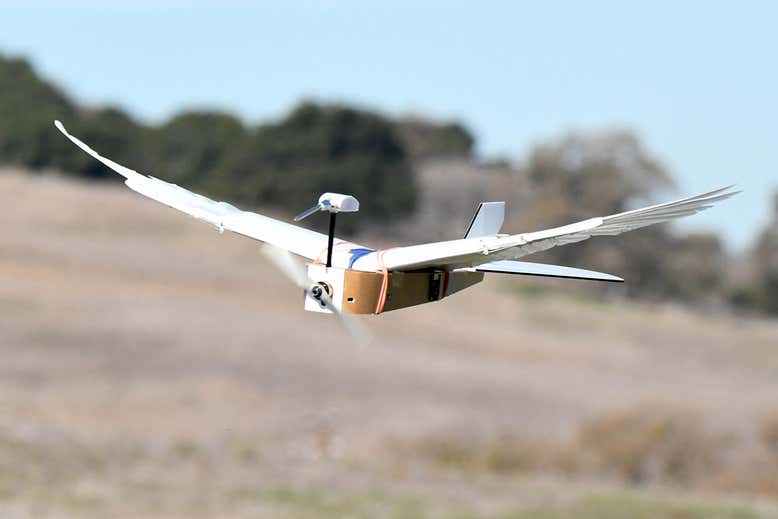
Tomorrow Wars Volume 1 Issue 16: The Uncanny Ally
From pigeon-feather robots to self-healing mechanical joints, lessons for robots from the world of biology.
-

Pentagon will start figuring out AI for lethality in 2020
The Pentagon’s AI center plans to explore how to apply artificial intelligence to battle.
-
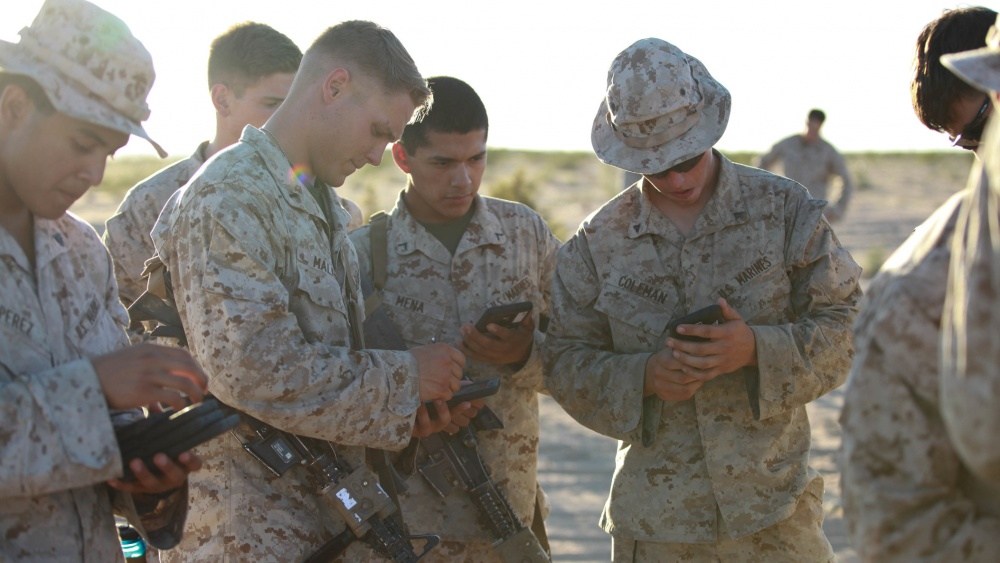
Tomorrow Wars Volume 1 Issue 15: The Imperfect Panopticon
For the Tomorrow Wars newsletter, a look at the way personal devices bring new vulnerabilities to the battlefield.
-
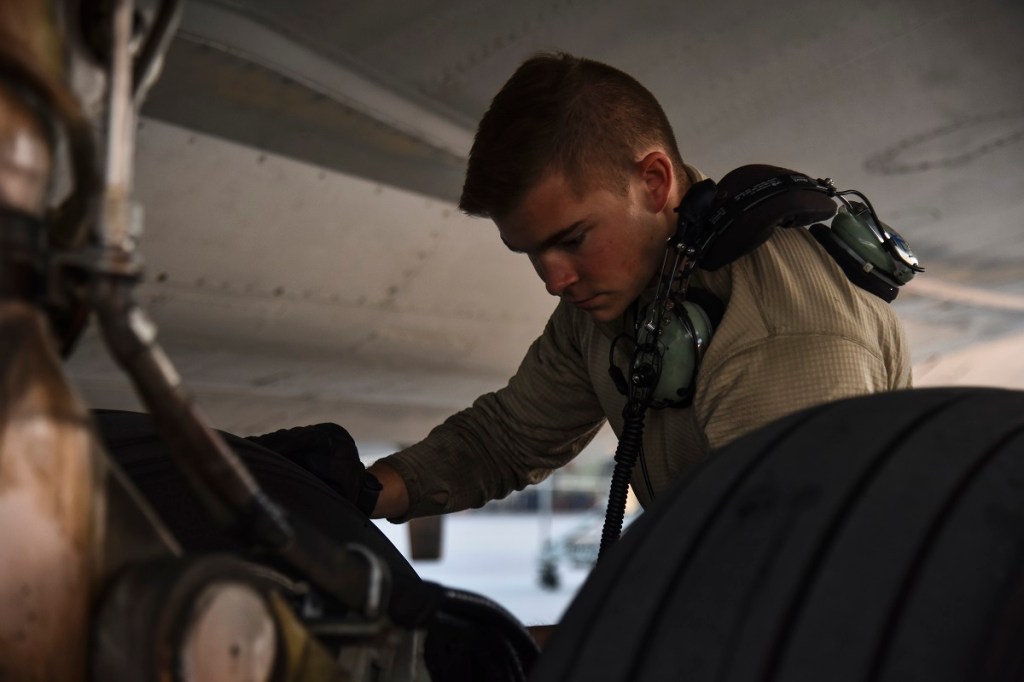
A new artificial intelligence contract to keep planes flying
The Pentagon’s Silicon Valley outpost awarded a contract worth as much as $95 million for software that aims to predict when military aircraft will need repairs, a tool that would make more aircraft available for missions and could potentially save billions of dollars in maintenance costs.
-
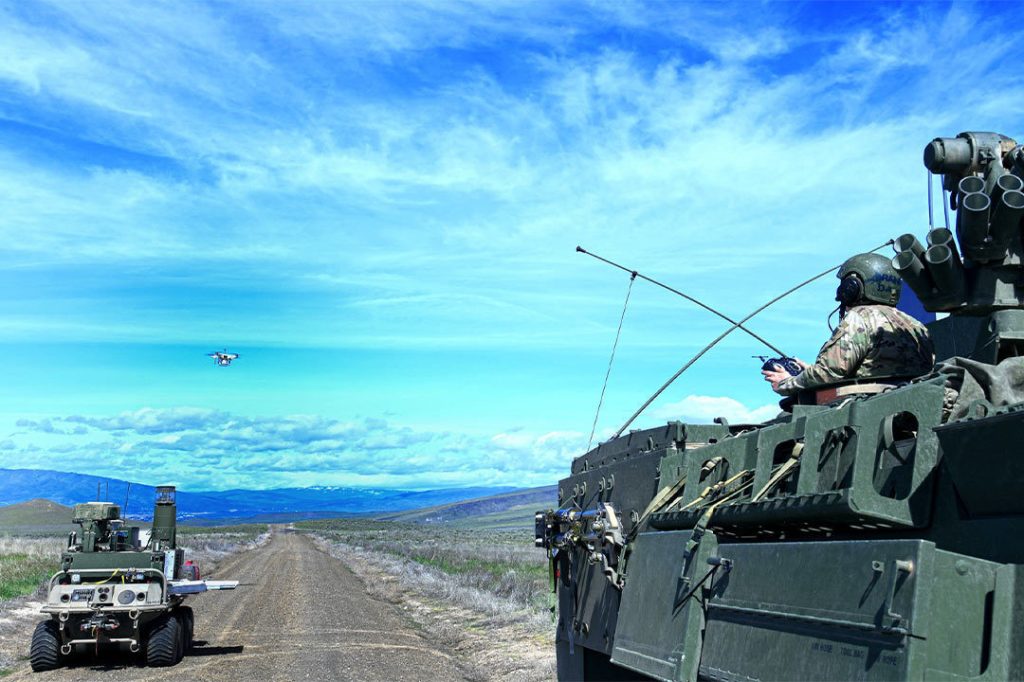
Automation doesn’t mean soldiers will be out of a job, chief says
Automation won’t eliminate soldier jobs, but it may help to supplement their workloads.